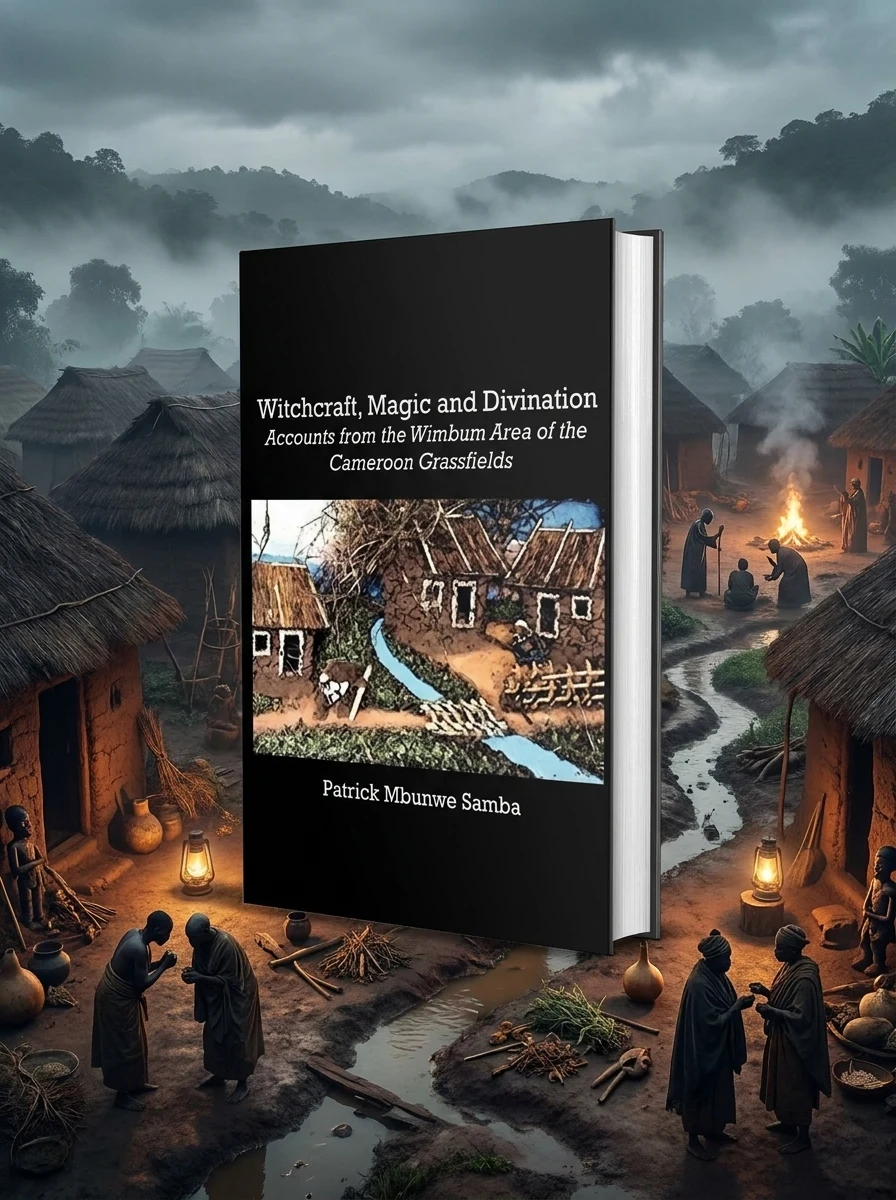
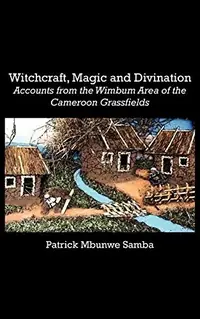
Witchcraft, Magic and Divination. Accounts from the Wimbum Area of the Cameroon Grassfields
Stock reported in the catalog; fulfillment is confirmed with your request.
Uncover the profound, living power of witchcraft beliefs within the Cameroon Grassfields.
Patrick Mbunwe Samba offers a deeply personal and insightful exploration into the pervasive role of witchcraft, magic, and divination in his native Binshua village. Drawing on vivid childhood memories and contemporary accounts, this book reveals how these spiritual forces aren't merely historical relics but continue to shape daily life, explain the inexplicable, and influence societal dynamics even today. It's a compelling look at how profound belief systems persist and evolve despite modern influences, providing an invaluable ethnographic perspective on a complex cultural phenomenon.
This work sits within the rich tradition of African ethnographic studies and contemporary occultism, specifically focusing on the spiritual landscapes of the Cameroon Grassfields region. It bridges the gap between academic anthropology and accessible esoteric inquiry by documenting living belief systems rather than historical artifacts.


📝 Description: Witchcraft, Magic and Divination. Accounts from the Wimbum Area of the Cameroon Grassfields
💎 Expert review
📖 Why choose it
Why this book is worth reading
Readers with a deep curiosity about how indigenous spiritual frameworks operate in the modern world will find this book invaluable. It is perfect for those who wish to understand the practical application of divination and magic in daily life, rather than just theoretical concepts. If you are interested in the resilience of cultural traditions against modernization, or if you seek authentic accounts of how communities interpret misfortune through the lens of witchcraft, this text provides a vital, grounded perspective. It offers a rare glimpse into the Binshua village experience, making it essential for anyone studying the intersection of belief, society, and the unseen forces that shape human interaction in Central Africa.
⭐ Reader reviews
Reader rating
This ethnographic account offers a sincere look at the Binshua village’s spiritual dynamics, avoiding exoticism by grounding its analysis in personal memory and contemporary reality. However, readers seeking dry, purely statistical anthropological data may find the narrative too anecdotal or emotionally engaged. Similarly, those looking for practical 'how-to' guides on performing magic or divination will be disappointed, as the focus remains on cultural explanation rather than instruction. It is not for skeptics who dismiss spiritual beliefs as mere superstition without sociological context. Instead, it serves best for open-minded seekers willing to engage with complex, lived religious experiences that defy simple categorization.
❓ Frequently asked questions
📖 Who should read this
If you are fascinated by cultural anthropology, the sociology of belief systems, or the intricate ways magic shapes human societies, this book offers an essential perspective. It's for those eager to understand the enduring power of traditional spirituality in a contemporary African context.
🎯 Key themes and symbolism
Living Ethnography
Samba presents a unique, first-hand account of his home village, intertwining personal reminiscences with broader cultural observations. This intimate approach allows readers to experience the everyday reality of witchcraft beliefs through the eyes of someone who lived within and observed this spiritual landscape, bridging academic study with lived experience.
Societal Impact
The book meticulously details how beliefs in witchcraft profoundly influence social structures, interpersonal relationships, and community responses to misfortune. It illuminates the often-painful consequences and injustices that arise when inexplicable events are attributed to malevolent magical forces, shaping justice, fear, and communal bonds.
Persistence of Belief
Despite the advent of Christianity, Western education, and globalized culture, Samba demonstrates the enduring and even increasing prevalence of traditional witchcraft beliefs. This theme challenges assumptions about modernization, showcasing the remarkable resilience of indigenous spiritual frameworks in the face of external pressures.
💬 Quotes from the book
“In Binshua, the unseen hand of witchcraft is not a distant myth but a daily presence, shaping destinies and explaining the inexplicable.”
“Every unexplained ailment, every crop failure, every sudden death becomes a silent accusation, echoing the village's deep-seated spiritual anxieties.”
📜 Historical context
📚 Glossary
- Witchcraft
- Divination
- Cameroon Grassfields
📔 Questions to reflect on
- How do your own cultural beliefs or assumptions about causality compare with the Binshua community's understanding of misfortune?
- Reflect on how traditional belief systems might persist or evolve in your own society, despite the influence of modernity or scientific understanding.
- Consider the ethical challenges an anthropologist faces when documenting beliefs that can lead to social injustice, as described in Samba's work.
You might also like
See more →
 91
91

 91
91