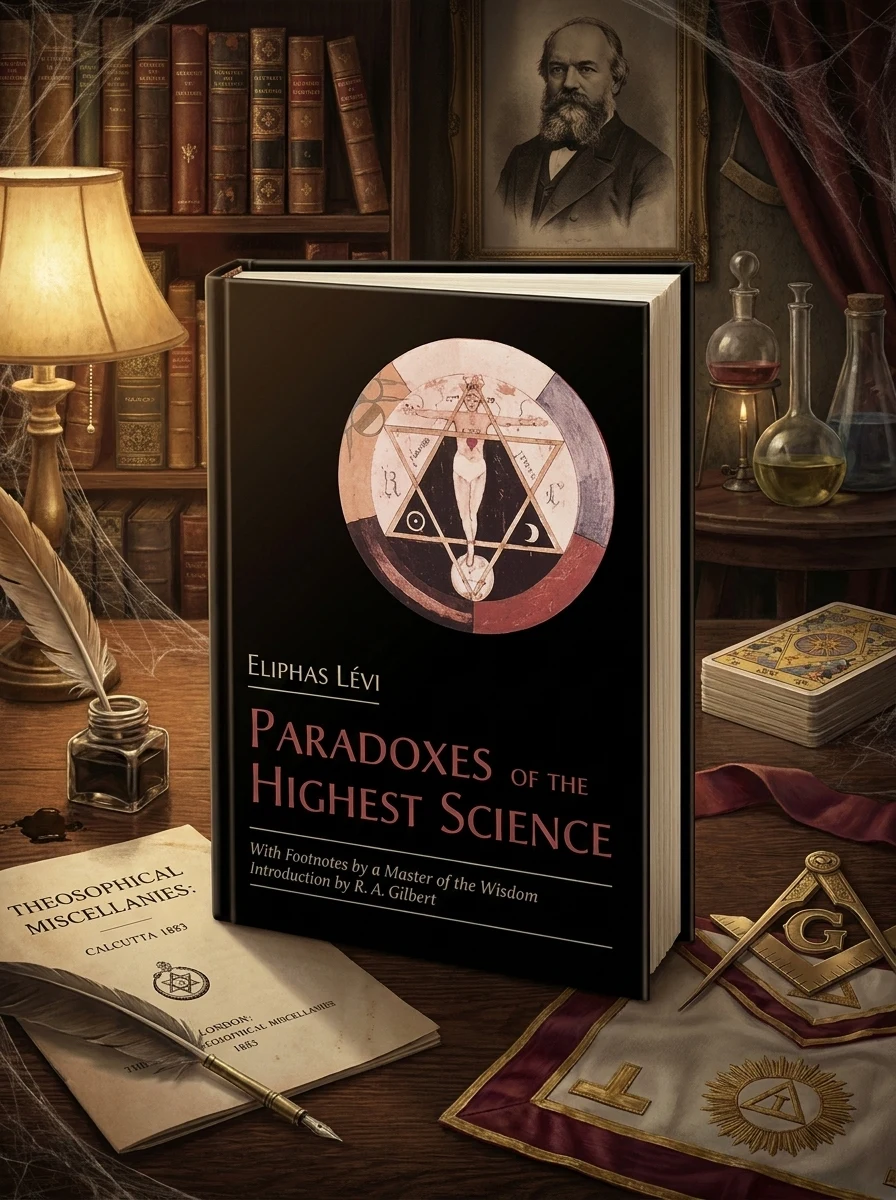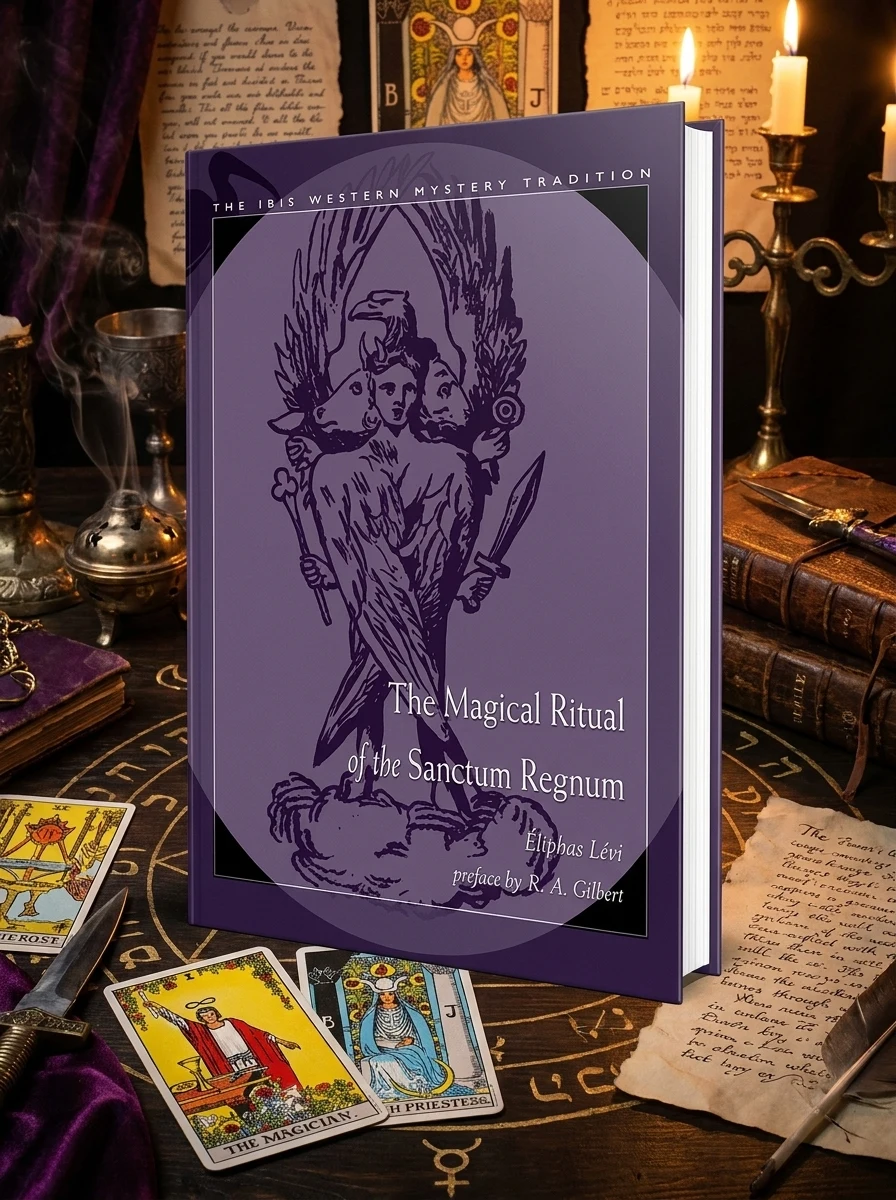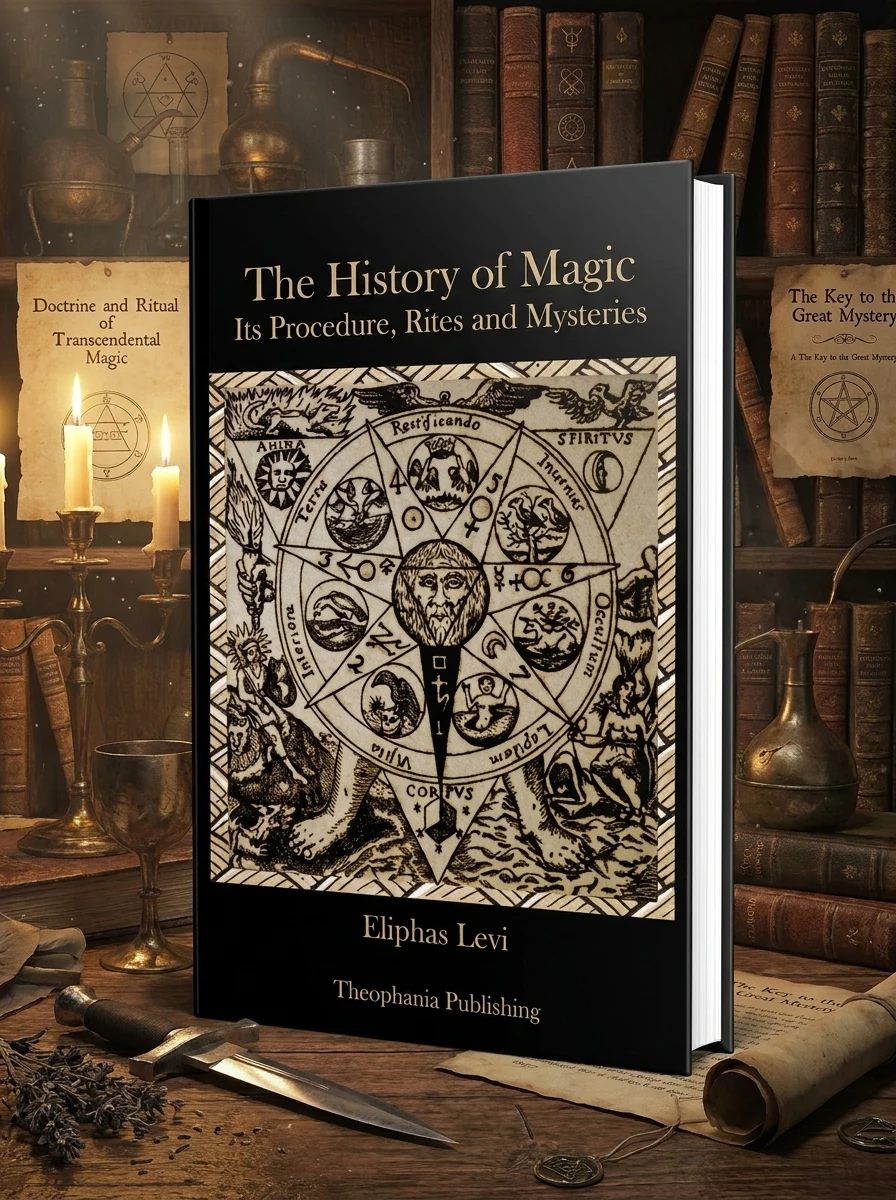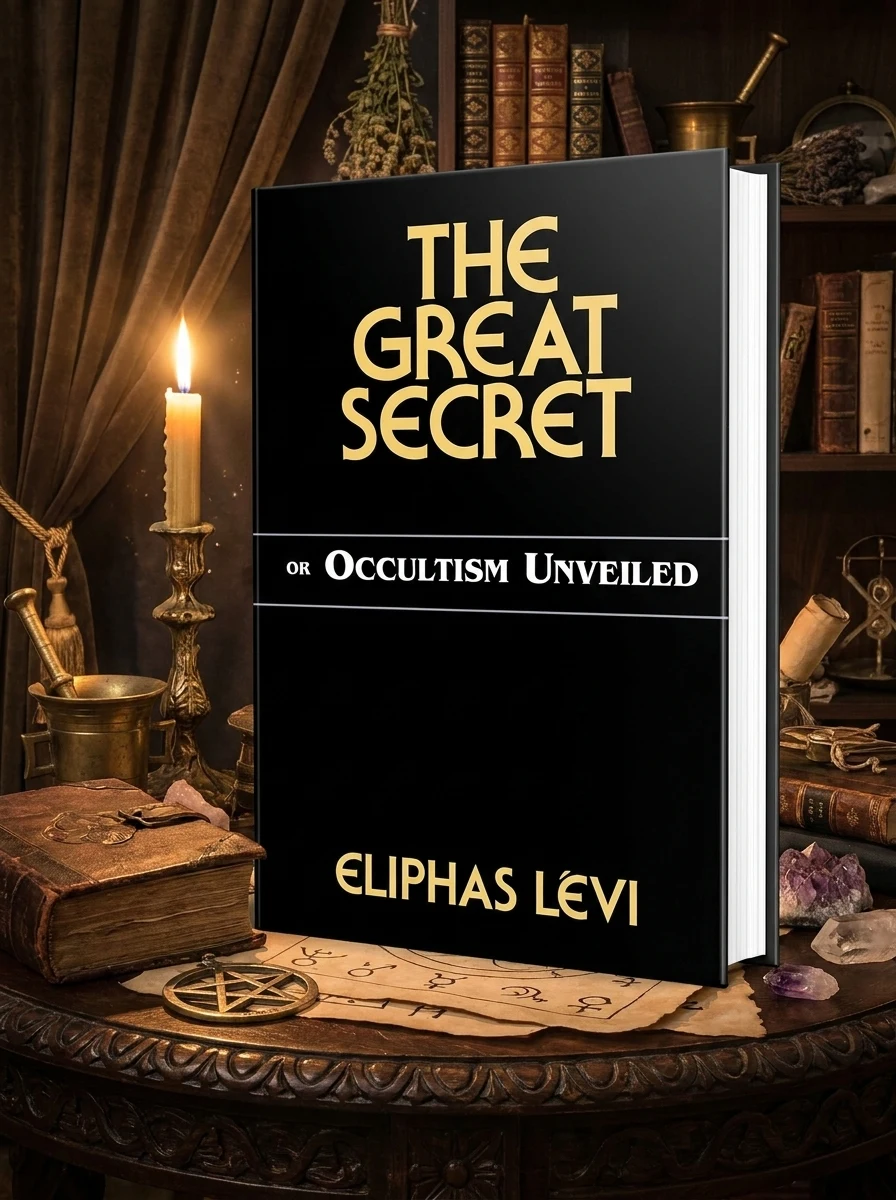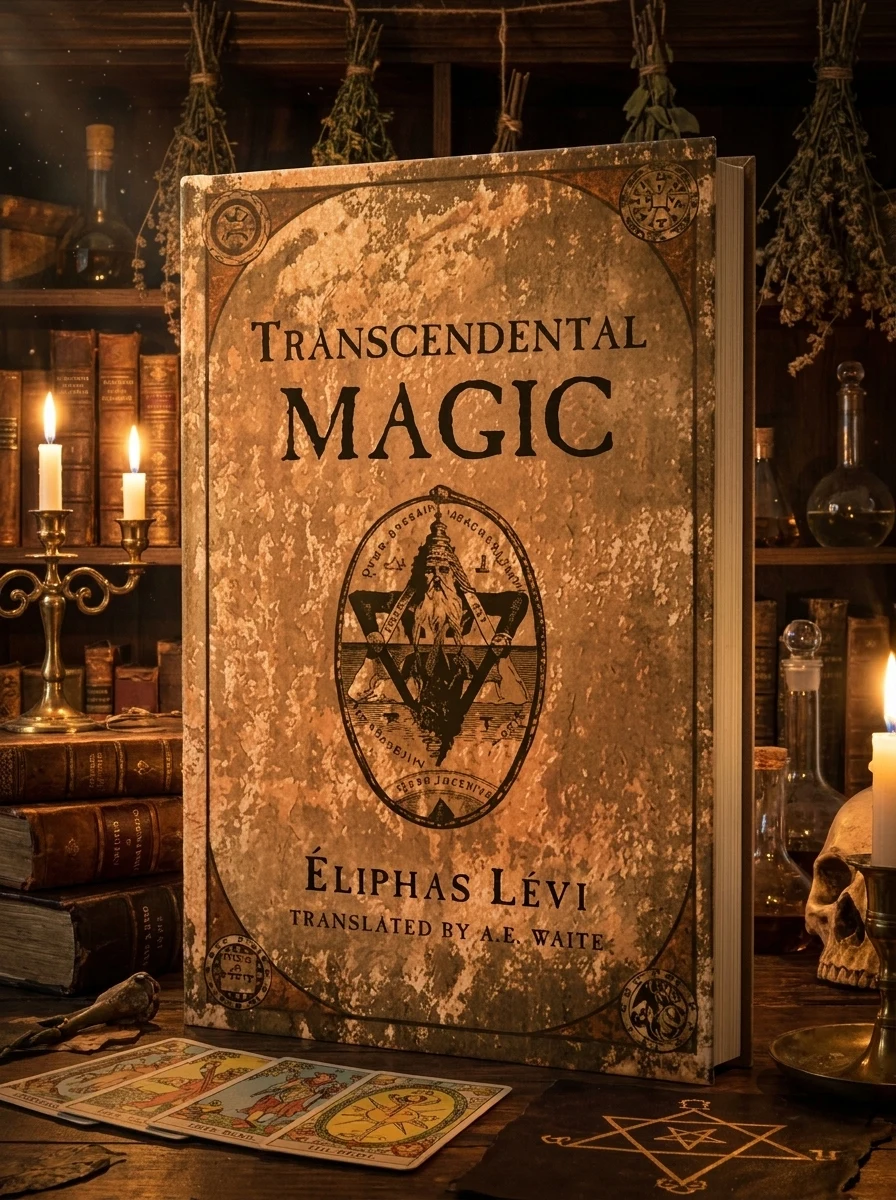

Transcendental Magic
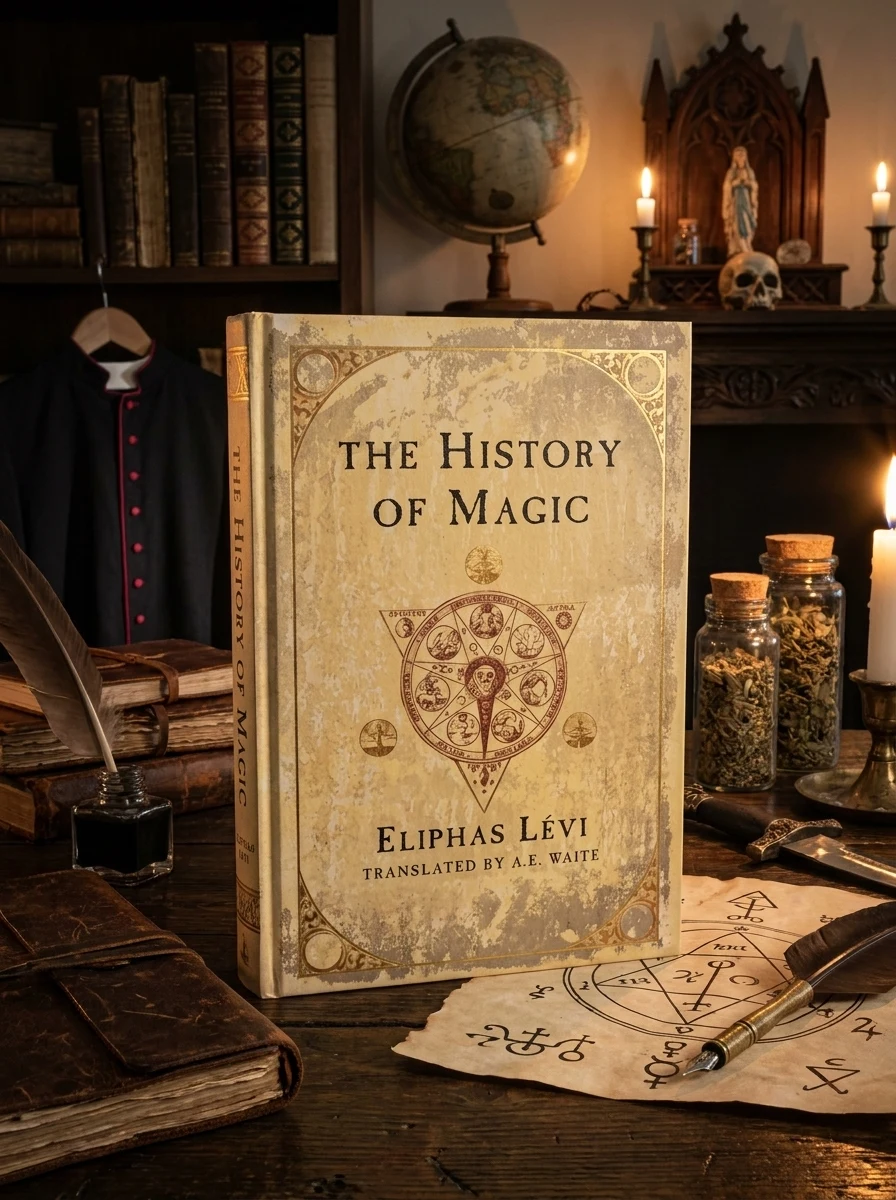
✍️ Levi, EliphasA classic nineteenth century text on High Magic, Rosicrucian Qabalah, and traditional occult philosophy.
Echo Point Books & Media presents Eliphas Levi's treatise on the arcane art transmitted from the ancient Magi. As a master of Rosicrucian Qabalistic traditions, Levi outlines how practical magic operates as a traditional science of natural secrets. The work provides deep context on supernatural studies, combining historical analysis with mystical philosophy to show how adept practitioners achieve superhuman operations through dedicated study of Western occult methods.
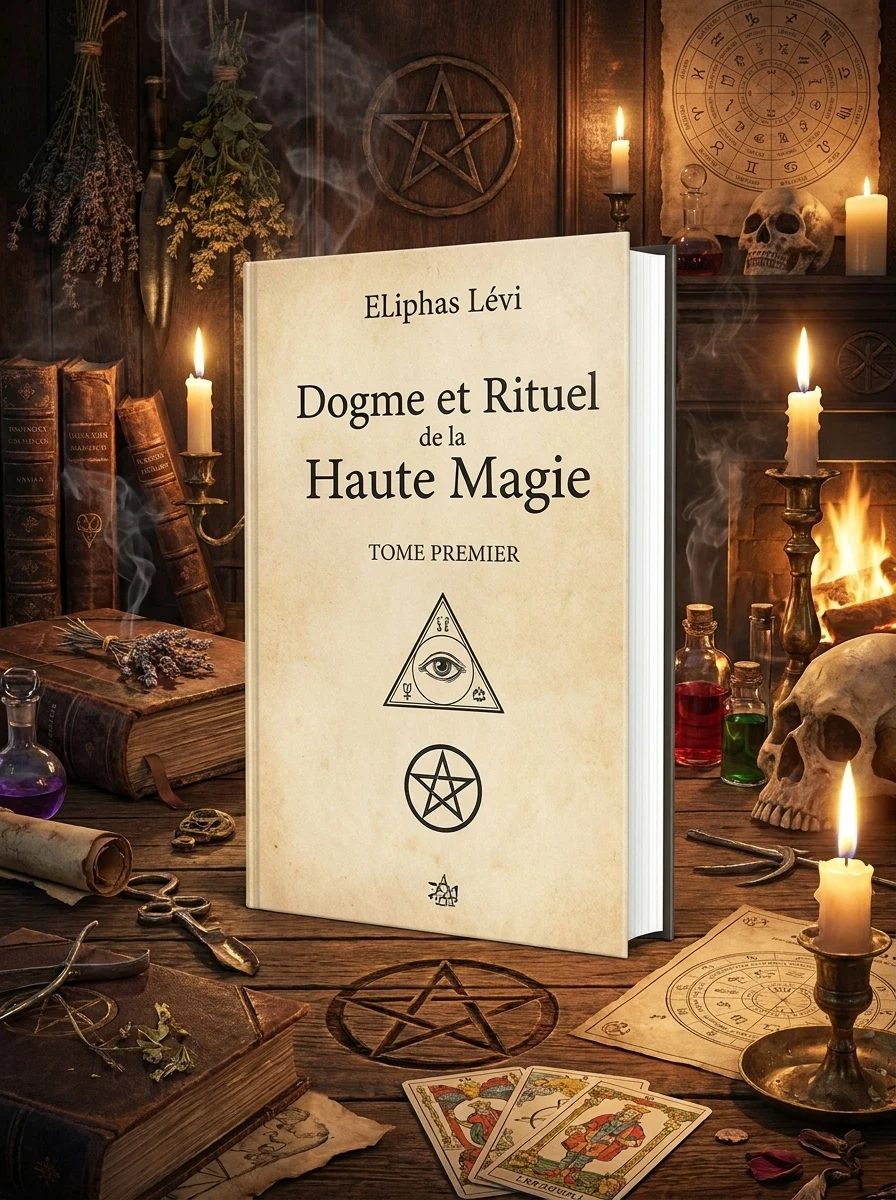
Written in France by former abbe Alphonse Louis Constant, who lived from 1810 to 1875, this work sits at the center of nineteenth century Western occultism. It established core Qabalistic and Rosicrucian concepts that structure Western magical practice today.


📝 Description: Transcendental Magic
💎 Expert review
📖 Why choose it
Why this book is worth reading
Serious seekers of mystical knowledge and personal transformation will find immense value in this indispensable guide. Lévi redefines magic as a science, offering a path to 'relative omnipotence' that transcends ordinary human limitations. By studying these arcane principles, readers can unlock hidden powers within their grasp and understand the ancient secrets of nature. This work is essential for those committed to deep esoteric study, providing a profound framework for understanding the intersection of will, knowledge, and the divine in the pursuit of spiritual elevation.
⭐ Reader reviews
Reader rating
Eliphas Lévi’s masterpiece remains a critical touchstone for anyone interested in the history and theory of ceremonial magic. It successfully bridges diverse esoteric currents into a unified philosophical system. However, readers seeking practical spell-casting instructions or lighthearted entertainment will find this text dry and abstract. It demands intellectual rigor and a willingness to engage with dense metaphysical concepts rather than immediate magical results. Those expecting simple superstition or folk remedies will be disappointed by its rigorous, scientific approach to the arcane arts.
❓ Frequently asked questions
📖 Who should read this
For serious students of esoteric traditions, aspiring mages, and those seeking to understand the foundational texts of modern occultism, this seminal work offers profound insights into the nature of reality and personal power. It's for anyone ready to delve into a dense, philosophical exploration of magic as a legitimate science.
🎯 Key themes and symbolism
Magic as Science
Lévi systematically presents magic as a rigorous, traditional science dedicated to understanding the profound secrets embedded within nature. This isn't about mere tricks, but a disciplined study of universal laws, passed down through generations of initiates, challenging the common perception of magic as irrational or superstitious.
Adept's Empowerment
Central to Lévi's philosophy is the idea that mastery of this 'traditional science' bestows upon the adept a unique form of power. This 'relative omnipotence' allows the practitioner to operate beyond conventional human capabilities, influencing reality in ways deemed 'superhuman' by the uninitiated, through deep understanding and application of hidden knowledge.
Ancient Lineage
The text emphasizes the historical continuity of magical knowledge, tracing its origins back to the revered Magi. Lévi positions his work as a rearticulation of an unbroken chain of esoteric wisdom, ensuring the reader understands that these principles are not novel inventions but enduring truths inherited from antiquity and transmitted across ages.
📜 Historical context
📚 Glossary
- Adept
- Magi
- Occultism
📔 Questions to reflect on
- How does Lévi's conceptualization of magic as a 'science' alter your perception of its practice and potential?
- Reflect on the idea of 'relative omnipotence.' What responsibilities or ethical considerations might accompany such an attainment?
- In what ways does Lévi bridge the gap between ancient mystical traditions and a more structured, almost academic, approach to esoteric study?