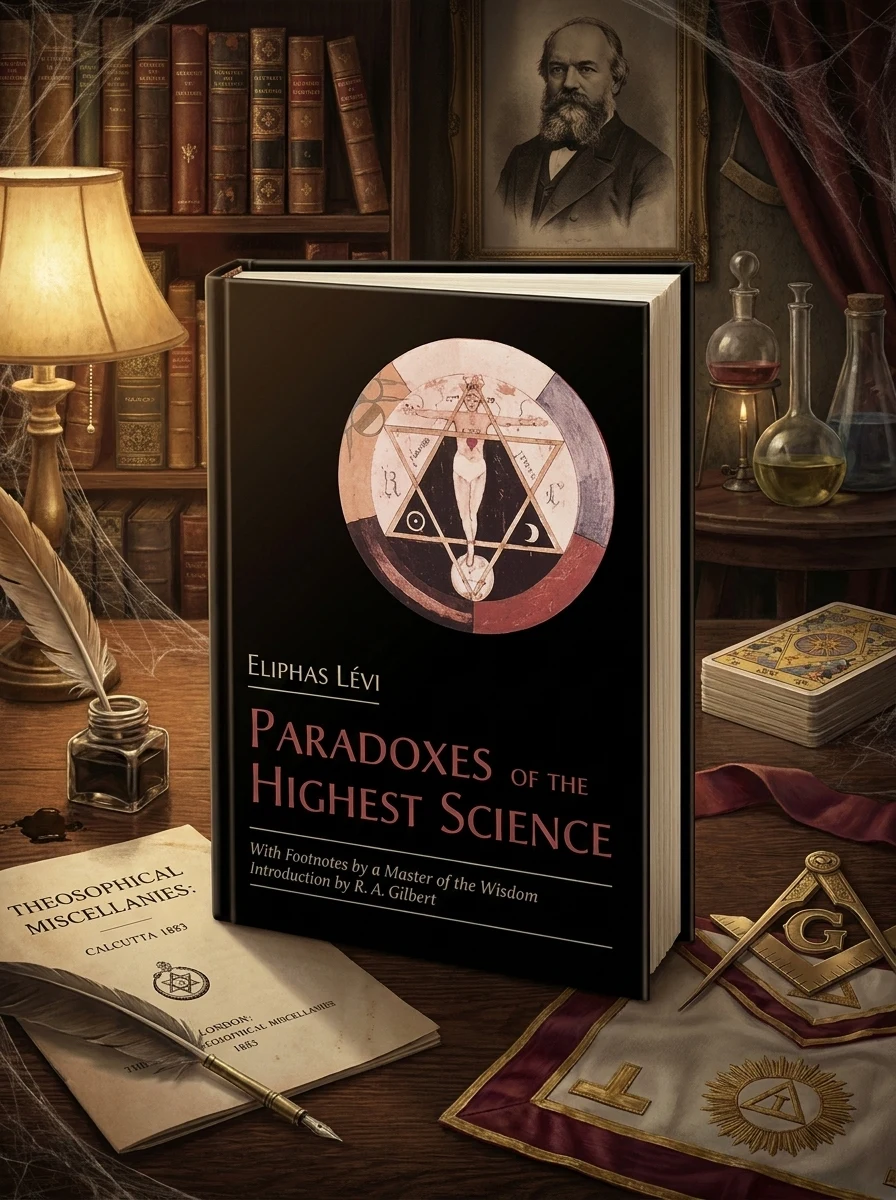
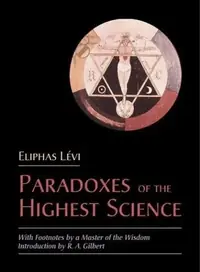
Paradoxes of the Highest Science: With Footnotes by a Master of the Wisdom
Levi, EliphasThis edition can be ordered. No arrival date is confirmed.
Lévi’s seven paradoxes bridge the chasm between rigorous science and sacred faith.
Eliphas Lévi, the titan of nineteenth-century occultism, presents a daring synthesis of intellect and intuition in this seminal text. Originally published in 1883 as part of the Theosophical Miscellanies, the work challenges readers to reconcile seven profound paradoxes, such as equating liberty with obedience to universal law. This edition is particularly valuable for its extensive footnotes, likely contributed by Madame Blavatsky herself, which illuminate Lévi’s dense arguments. It stands as a crucial artifact where Western esotericism meets Eastern philosophical inquiry, offering a map for the initiate seeking unity in apparent opposites.
This text stands as a seminal artifact of nineteenth-century Western esotericism, representing a critical intersection where European occult philosophy meets Eastern philosophical inquiry through the lens of high intellectual synthesis.


📝 Description: Paradoxes of the Highest Science: With Footnotes by a Master of the Wisdom
💎 Expert review
📖 Why choose it
Why this book is worth reading
You will find profound resonance in this volume if you seek to bridge the perceived chasm between rigorous scientific intellect and sacred spiritual faith. Lévi’s work offers a daring synthesis that challenges the initiate to reconcile apparent opposites, guiding those who desire unity within paradox. The extensive footnotes, likely by Madame Blavatsky, illuminate dense arguments, making it invaluable for scholars of esoteric history. It is essential reading for those exploring how liberty intersects with universal law, providing a unique map for the mind seeking coherence between intuition and reason in the highest science.
⭐ Reader reviews
Reader rating
Bought this as a gift for my sister and ended up ordering a second copy for myself. The typesetting is comfortable for study, with good margins for notes. Shipping was quick too.
Came across this title in a footnote and had to track it down. Not a light read, but far more accessible than I feared. The symbolism is layered and generous to patient readers. Definitely recommend.
I've read excerpts online before, but having the full text is different. Every rereading turns up something I missed. Shipping was quick too.
This edition serves as a crucial artifact for serious students of occultism, particularly those interested in the Theosophical movement’s early intellectual foundations. However, it does not suit readers seeking straightforward practical rituals or light entertainment; the text demands significant mental effort to navigate Lévi’s dense arguments and the supplementary footnotes. It is best appreciated by those willing to engage with complex philosophical inquiries rather than simple dogmatic instruction. While intellectually stimulating, its value lies in historical and theoretical depth rather than immediate accessibility, requiring patience and a strong interest in the synthesis of Eastern and Western thought.
❓ Frequently asked questions
📖 Who should read this
If you are drawn to the intersection of mystical philosophy and rigorous logical structure, this text is for you. It suits those interested in the foundational influences on modern Western esotericism and the Theosophical movement.
🎯 Key themes and symbolism
Synthesis of Science and Religion
Paradoxical Logic
Theosophical Commentary
💬 Quotes from the book
“Religion is magic sanctioned by authority.”
“Liberty is obedience to the Law.”
📜 Historical context
📚 Glossary
- Theosophical Miscellanies
- Eminent Occultist
- Sanctioned by Authority
📔 Questions to reflect on
- Where do you see the boundary between scientific inquiry and religious faith blur in your own life?
- How does obeying a higher law contribute to your sense of personal freedom rather than restricting it?
- In what ways can paradoxical thinking help resolve conflicts in your spiritual or intellectual pursuits?
✍️ More books by this author Levi, Eliphas
All books by this author →

🏛 Books from this publisher Nicolas-Hays
All books from this publisher →
 85
85

 83
83
You might also like
See more →





 91
91