US shipping Secure card payment Thousands of titles
👤 Sign in
−23%

The Book of Lilith

✍️ Koltuv, Barbara Black
16 $ 21 $ Discount 5 $
📚 ABOUT THE BOOK

Unearth the primal, untamed feminine exiled from ancient myths and modern consciousness.

Barbara Black Koltuv meticulously explores the figure of Lilith, often cast as a seductress and demon, revealing her as a crucial, repressed archetype. Drawing on Jungian principles, this work reinterprets Lilith not as a malevolent force, but as the embodiment of the Great Goddess's neglected aspects and an independent, foundational feminine Self. It offers a profound path for contemporary individuals, regardless of gender, to acknowledge and integrate these powerful, often suppressed, facets of their own psyche, moving towards greater wholeness and self-understanding.


Key themes
{'title': 'Reclaiming the Repressed', 'body': "This book delves into Lilith's long history as a figure systematically demonized and banished from mainstream narratives. It illuminates how her story reflects a broader societal repression of certain feminine attributes, urging readers to confront and reclaim what has been cast into the shadows of collective and personal consciousness."} {'title': 'The Feminine Self', 'body': "Koltuv positions Lilith as a vital, 'motherless' manifestation of the feminine, untethered from conventional roles. She represents the autonomous, self-generating power intrinsic to the Great Goddess, offering a lens through which to understand neglected or rejected aspects of one's own authentic feminine essence, beyond societal expectations."} {'title': 'Jungian Integration', 'body': "Written by a Jungian analyst, the text applies archetypal psychology to Lilith's mythos. It guides readers through a process of psychological integration, helping them to recognize and assimilate the potent, albeit challenging, energies Lilith embodies. This framework encourages a holistic understanding of the self, embracing both light and shadow."}
🏛 Nicolas-Hays 📅 1986 📖 224 pages 🌐 en 📐 Paperback ISBN: 9780892540143
In stock — ready to ship
Fun fact
Koltuv's "The Book of Lilith" is a compelling, academically rigorous exploration that reclaims a vital feminine archetype. Its strength lies in its profound Jungian analysis, offering a deeply insightful path for integrating the repressed feminine. While invaluable for those engaged in depth psychology or goddess studies, readers seeking a purely historical account or a light introduction to mythology might find its psychological focus demanding. It firmly establishes itself as a foundational text in the re-evaluation of ancient feminine power figures.

📝 Description: The Book of Lilith

Lilith is the mythological seductress that has been repressed since Biblical times. She is the representative of the essentially motherless form of the feminine Self that arose as an embodiment of the neglected and rejected aspects of the Great Goddess. Written by a Jungian analyst, this material can help modern men and women come to terms with this aspect of the feminine within.

⭐ Reader reviews

The starting rating comes from the team Esoterica Books — add yours →
⭐ Esoterica editorial review Editorial rating 4.5/5
★★★★
If you are drawn to archetypal psychology, goddess traditions, or seeking to embrace the wilder, often hidden facets of your own psyche, this exploration of Lilith offers profound insights. It's for those ready to delve deep into the unconscious and reclaim banished aspects of self.

Reader rating

Reviews yet. Be the first!

❓ Frequently asked questions

No, this book does not endorse demonology or cults. Instead, it reinterprets Lilith as a powerful, misunderstood archetype within the human psyche, examining her role in mythology and its psychological implications, rather than promoting her as an object of worship or fear.
This phrase refers to an aspect of feminine identity that is self-generated and independent, not defined or derived from traditional maternal roles or patriarchal structures. It represents a primal, autonomous feminine power often suppressed or rejected by conventional society.

📖 Who should read this

If you are drawn to archetypal psychology, goddess traditions, or seeking to embrace the wilder, often hidden facets of your own psyche, this exploration of Lilith offers profound insights. It's for those ready to delve deep into the unconscious and reclaim banished aspects of self.

🎯 Key themes and symbolism

Reclaiming the Repressed

This book delves into Lilith's long history as a figure systematically demonized and banished from mainstream narratives. It illuminates how her story reflects a broader societal repression of certain feminine attributes, urging readers to confront and reclaim what has been cast into the shadows of collective and personal consciousness.

The Feminine Self

Koltuv positions Lilith as a vital, 'motherless' manifestation of the feminine, untethered from conventional roles. She represents the autonomous, self-generating power intrinsic to the Great Goddess, offering a lens through which to understand neglected or rejected aspects of one's own authentic feminine essence, beyond societal expectations.

Jungian Integration

Written by a Jungian analyst, the text applies archetypal psychology to Lilith's mythos. It guides readers through a process of psychological integration, helping them to recognize and assimilate the potent, albeit challenging, energies Lilith embodies. This framework encourages a holistic understanding of the self, embracing both light and shadow.

💬 Quotes from the book

«To truly embrace the Self, one must confront the shadow figures, the banished deities, and find their potent, untamed wisdom.»

«Lilith's story is not one of evil, but of essential independence, a primal scream against patriarchal domestication.»

📜 Historical context

Lilith's story originates in ancient Mesopotamian and Jewish folklore, where she emerged as a powerful, independent female figure, later demonized and repressed in patriarchal traditions. This work places her within the broader context of mythological figures who challenge established order, offering a modern psychological lens to understand her enduring relevance beyond her ancient condemnations.

📚 Glossary

Lilith
Great Goddess
Jungian analyst

📔 Questions to reflect on

  1. What aspects of your own independence or 'wildness' have you felt societal or personal pressures to repress or deny?
  2. Consider a time you felt marginalized or misunderstood for expressing an unconventional facet of your personality. How does this resonate with Lilith's story?
  3. Reflect on the concept of a 'motherless feminine Self.' What does true, unconditioned autonomy mean to you, and how might you cultivate it?

🏛 Books from this publisher Nicolas-Hays

All books from this publisher →
Jung & the Alchemical Imagination
Raff, Jeffrey
Jung & the Alchemical Imagination
21 $
The Magical Ritual of the Sanctum Regnum Levi, Eliphas -33% 🔥 Bestseller
★★★★★
★★★★★
4.8
6
Levi, Eliphas
The Magical Ritual of the Sanctum Regnum Levi, Eliphas
20 $ 30 $
75
Theurgy, or the Hermetic Practice: A Treatise on Spiritual Alchemy (American Pbk)
Garstin, E J Langford; , Dunning, Edward
Theurgy, or the Hermetic Practice: A Treatise on Spiritual Alchemy (American Pbk)
13 $
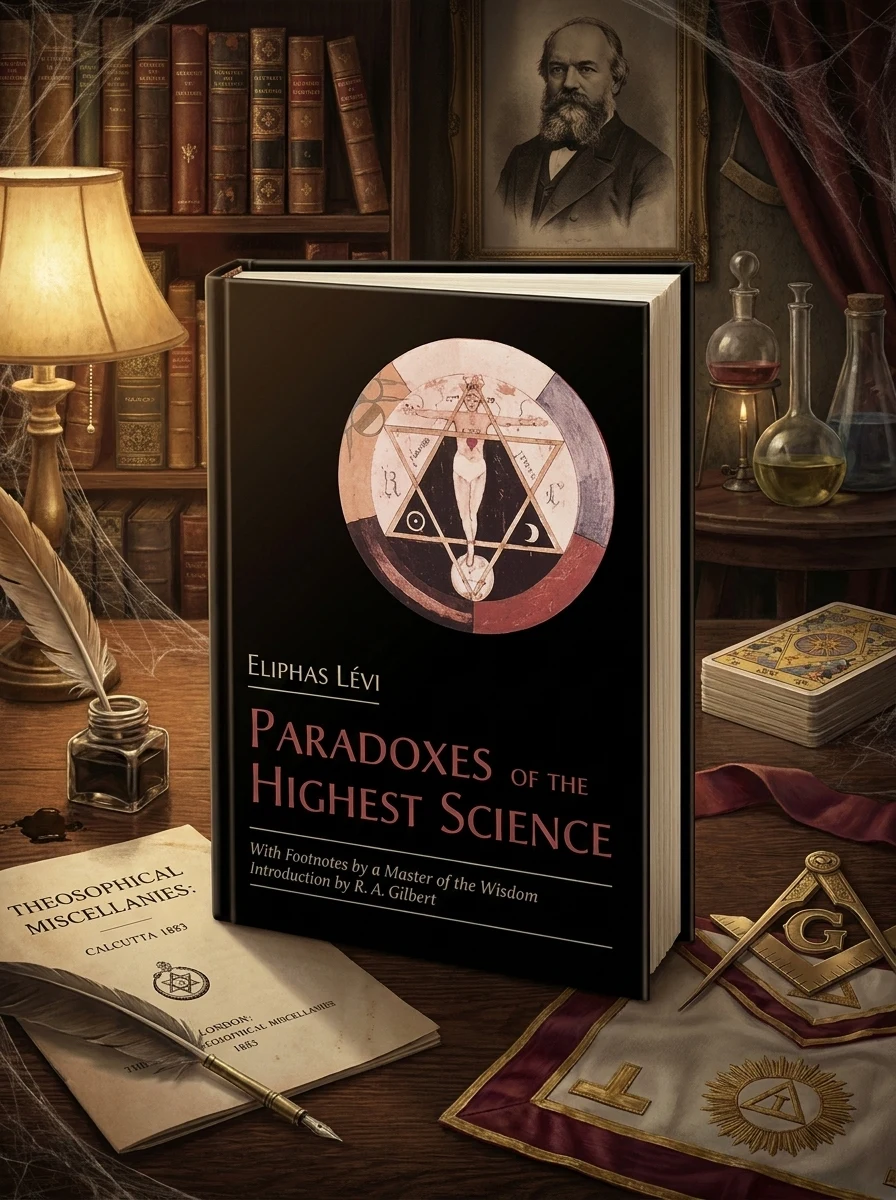
Paradoxes of the Highest Science: With Footnotes by a Master of the Wisdom -39%
★★★★★
★★★★★
4.8
3
Levi, Eliphas
Paradoxes of the Highest Science: With Footnotes by a Master of the Wisdom
17 $ 28 $
82
Archidoxes of Magic
Paracelsus, Theophrastus; , Turner, Robert; , Skinner, Stephen
Archidoxes of Magic
17 $
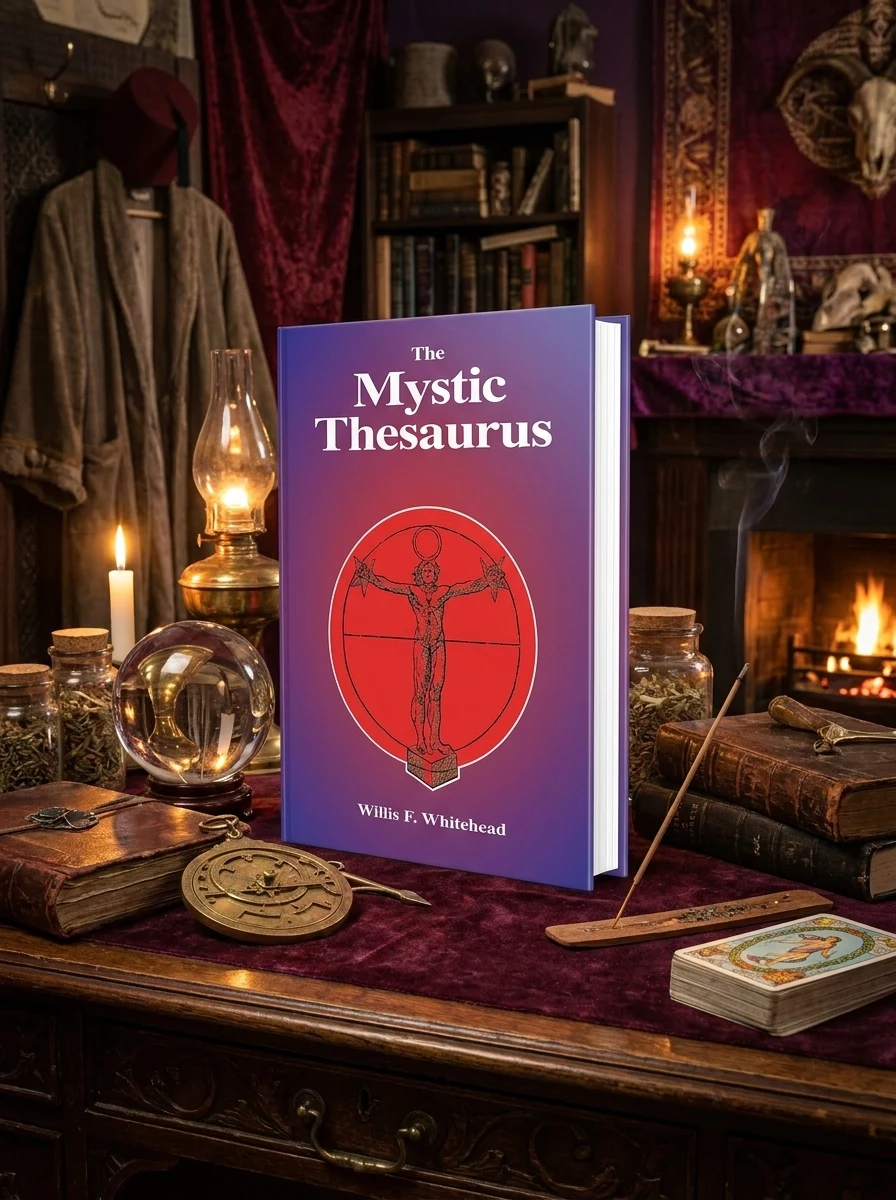
The Mystic Thesaurus: Occultism Simplified
Whitehead, Willis F
The Mystic Thesaurus: Occultism Simplified
13 $
Meaning and Philosophy of Numbers Bosman, Leonard
Bosman, Leonard; , Gilbert, R A
Meaning and Philosophy of Numbers Bosman, Leonard
13 $
Home Genres
Cart
Favorites
Menu
Esoterica Books Esoterica Books
Sign in or create an account Orders & favorites
Book genres Collections Bestsellers Deals and off What to read
Favorites Cart Track an order
Help
Chat with Esoterica Books Call us
Information
About us Shipping & payment Returns Terms Privacy Contact