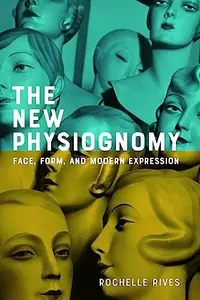
The New Physiognomy: Face, Form, and Modern Expression Rives, Rochelle
Rives, Rochelle

This edition can be ordered. No arrival date is confirmed.
Unmask the hidden history of facial expression and its modern digital echoes.
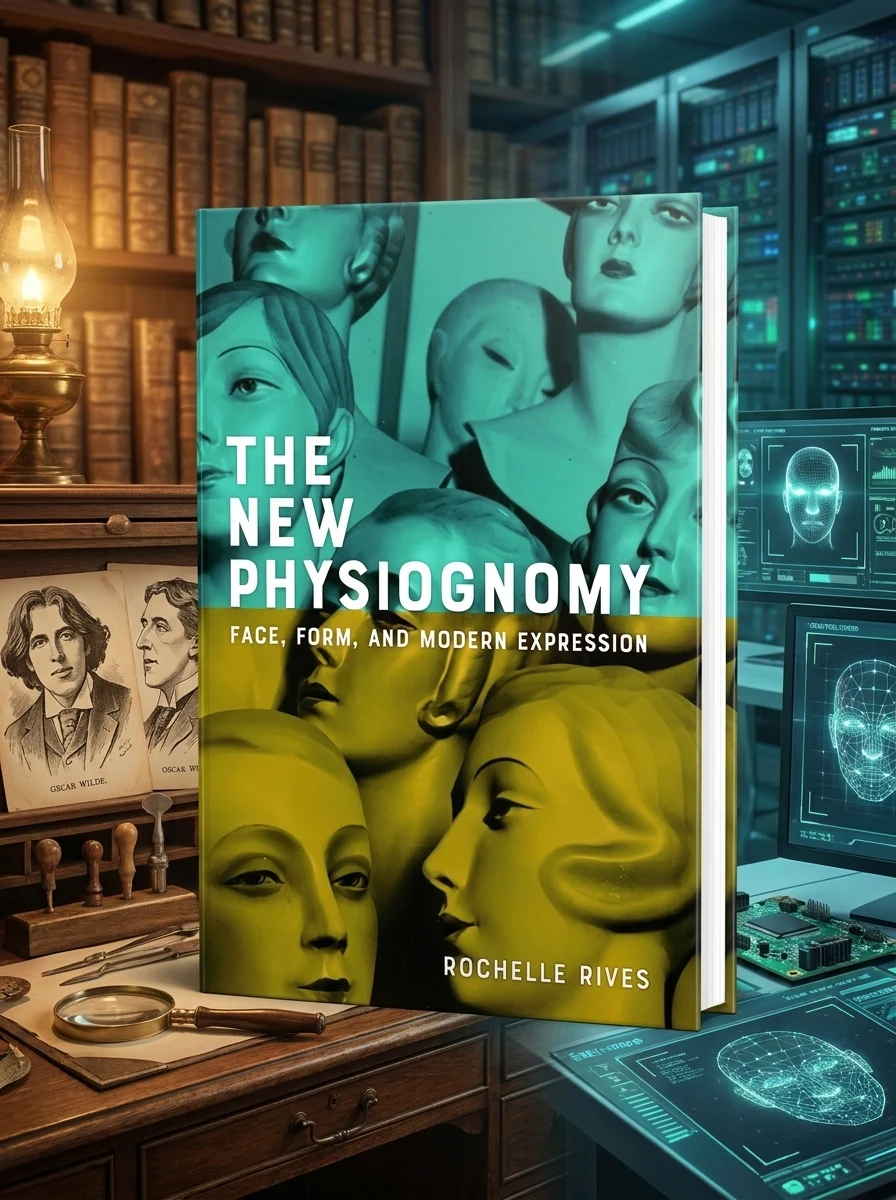
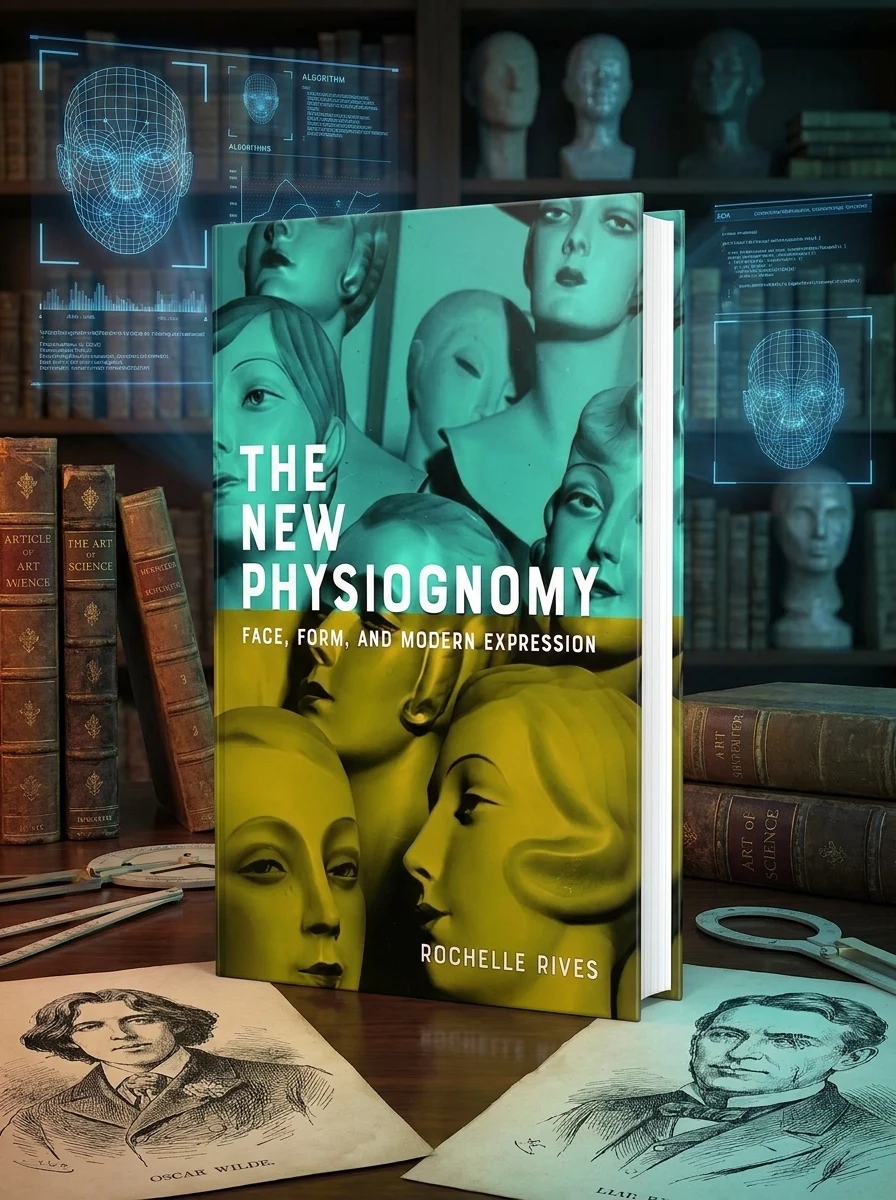
Rochelle Rives delves into the intricate story of how we've interpreted faces, from 19th-century caricatures to the age of AI. This compelling study argues that the very ambiguity of human facial expression is not a flaw, but a crucial element in how we assign value and understanding to one another. By examining diverse figures like Oscar Wilde, World War I soldiers, and Cindy Sherman, Rives connects historical perceptions of the face to urgent contemporary ethical questions surrounding facial recognition and artificial intelligence, offering a fresh lens on modernist thought.
This work sits at the intersection of modernist thought and contemporary digital ethics, bridging historical analysis of facial representation with urgent questions about artificial intelligence. It challenges traditional physiognomic assumptions by reframing facial ambiguity as a vital component of human connection.


📝 Description: The New Physiognomy: Face, Form, and Modern Expression Rives, Rochelle
💎 Expert review
📖 Why choose it
Why this book is worth reading
Readers fascinated by the philosophical underpinnings of identity and technology will find this book indispensable. It offers a profound re-evaluation of how we perceive one another, moving beyond superficial interpretation to explore the ethical weights carried by facial recognition and AI. If you are interested in the historical lineage of expression from caricature to digital avatars, this text provides the necessary theoretical framework. It is particularly valuable for those concerned with the loss of nuance in modern communication and seeks to understand how ambiguity serves a crucial function in assigning value to human interaction. Ultimately, it equips readers with a fresh lens to view both historical figures like Oscar Wilde and contemporary ethical dilemmas.
⭐ Reader reviews
Reader rating
Rives delivers a rigorous intellectual journey that demands patience from the reader. While her argument regarding facial ambiguity is compelling, this book will likely alienate those seeking quick technological fixes or straightforward guides to AI ethics. It is dense, theoretical, and deeply rooted in literary and historical analysis rather than practical application. Readers expecting a simple critique of surveillance capitalism may find the focus on modernist thought and diverse case studies, from soldiers to Cindy Sherman, too abstract. However, for scholars of media theory and philosophy, it offers a nuanced, essential perspective on the politics of seeing.
❓ Frequently asked questions
📖 Who should read this
If you're fascinated by the cultural history of perception, the intersection of art and technology, or how our understanding of the human face has shaped society, this book offers profound insights. It's for anyone who contemplates the ethical dimensions of artificial intelligence and human expression.
🎯 Key themes and symbolism
Modern Facial Interpretation
This work explores how the study of faces, or physiognomy, evolved from its 19th-century pseudoscientific roots into a complex modernist discourse. It highlights how artists and writers perceived faces as both reflections of innate character and carefully constructed social performances, laying groundwork for today's technological interpretations of human expression.
The Power of Ambiguity
Rives posits that the inherent inscrutability and shifting nature of human facial expressions are not merely limitations, but fundamental to how we engage with and value others. This ambiguity fosters deeper interpersonal connections and challenges reductionist views, especially relevant in an era of data-driven analysis and AI interpretation of emotions.
Faces in Modernist Art
The book meticulously re-evaluates modernist literature and art through the lens of facial representation. It showcases how authors like Jean Rhys and artists like Henri Gaudier-Brzeska explored identity, trauma, and societal norms by depicting faces that defied simplistic categorization, offering new ways to appreciate these iconic works.
💬 Quotes from the book
“The face is not merely a canvas of identity but a site of constant negotiation, a fluid boundary between what is revealed and what remains concealed.”
“In an era obsessed with certainty, the face persists as a testament to the enduring power of the unquantifiable, a silent argument against total legibility.”
📜 Historical context
📚 Glossary
- Physiognomy
- Modernism
- Facial Expressivity
📔 Questions to reflect on
- Reflect on a time you misread someone's facial expression. What did that experience teach you about the complexity of human communication?
- How might the widespread use of facial recognition technology alter our own expressive habits or our perceptions of others' faces?
- Consider an artwork or photograph where a face's expression is ambiguous. How does this ambiguity contribute to its impact or meaning for you?
📖 From the series “Hopkins Studies in Modernism”
All books in the series →
✍️ More books by this author Rives, Rochelle
All books by this author →🏛 Books from this publisher Johns Hopkins University Press
All books from this publisher →




You might also like
See more →