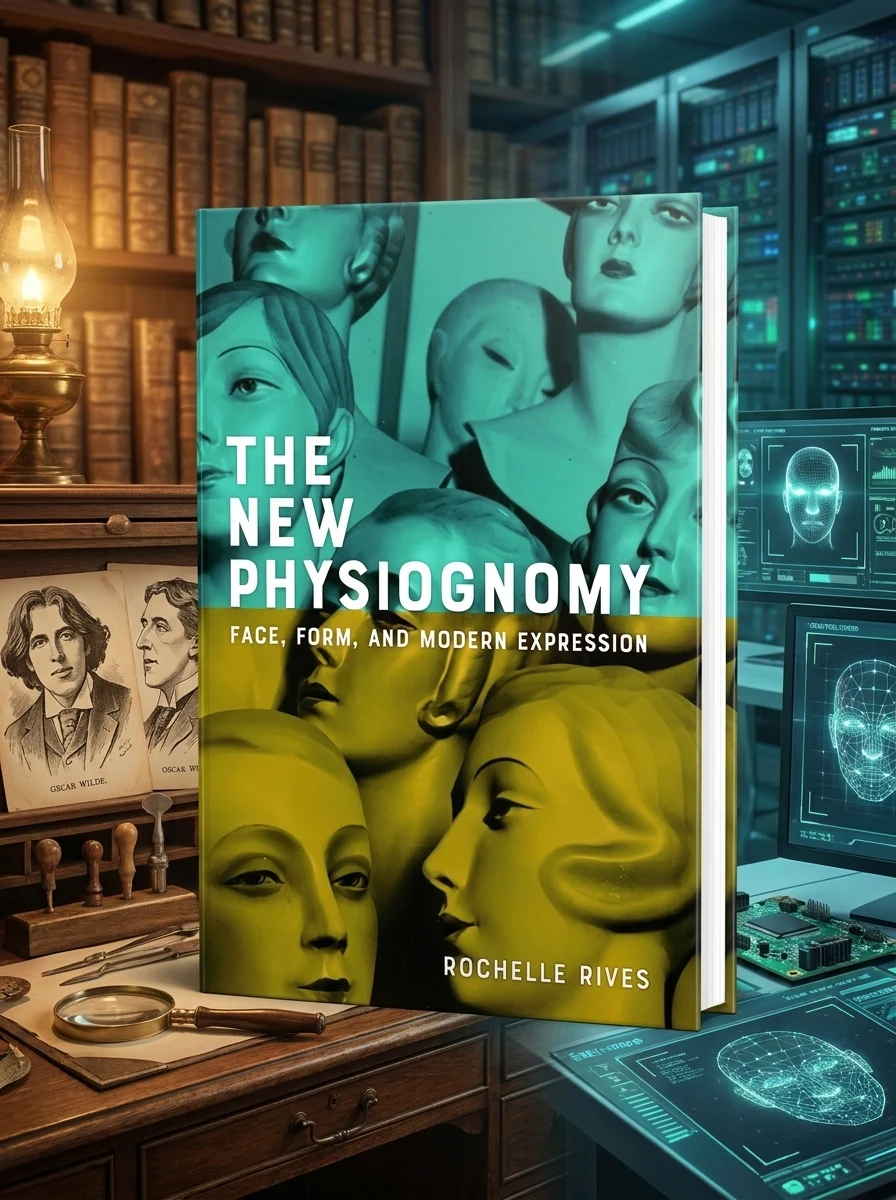
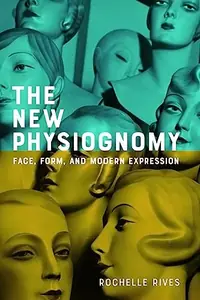
The New Physiognomy: Face, Form, and Modern Expression Rives, Rochelle
Rives, RochelleStock reported in the catalog; fulfillment is confirmed with your request.
Unmask the hidden histories and ethical quandaries etched upon the human face.
Rochelle Rives delves into the intricate history of how we interpret human faces, tracing a lineage from early modernist thought to today's digital age. This compelling study explores the ethical quandaries posed by advancements like AI and facial recognition, arguing that the inherent ambiguity of facial expressions is crucial to how we perceive and value one another. Through diverse examples, Rives illuminates how faces have been read as both biological blueprints and cultural constructs, offering a fresh perspective on human interaction and identity.
This work situates itself at the intersection of modernist thought and contemporary digital culture, examining how societal frameworks have historically read the human face as both biological blueprint and cultural construct. It engages with the evolving discourse on identity formation within the context of technological advancements like AI.


📝 Description: The New Physiognomy: Face, Form, and Modern Expression Rives, Rochelle
💎 Expert review
📖 Why choose it
Why this book is worth reading
Readers interested in the philosophical underpinnings of identity and the ethical implications of modern surveillance will find profound value here. Rochelle Rives offers a compelling narrative that bridges the gap between early modernist theory and our current digital reality. By highlighting the inherent ambiguity of facial expressions, the book encourages a deeper appreciation for human connection beyond algorithmic categorization. It is essential for those seeking to understand how historical perceptions of physiognomy continue to shape contemporary ethical quandaries regarding privacy, bias, and the very nature of self-presentation in an increasingly monitored world.
⭐ Reader reviews
Reader rating
Rives presents a rigorous intellectual journey through the history of facial interpretation, merging academic depth with urgent contemporary relevance. However, this volume is strictly for those willing to engage with dense theoretical frameworks and historical analysis. It does not suit readers seeking practical advice on social cues or lightweight pop-psychology guides. The focus on ethical quandaries and biological versus cultural constructs requires patience and a tolerance for abstract discourse. Those looking for quick, actionable insights into body language will likely find the philosophical density obstructive rather than illuminating.
❓ Frequently asked questions
📖 Who should read this
If you're fascinated by the intersection of cultural history, technology, and the enduring mystery of human expression, this book offers profound insights. It's for those who ponder what faces reveal, conceal, and how our interpretations shape our world, from a critical, esoteric perspective.
🎯 Key themes and symbolism
Modernist Facial Interpretations
The book meticulously examines how modernist thinkers and artists, from Oscar Wilde's caricatures to WWI soldiers' portraits and Cindy Sherman's self-portraits, perceived faces. Rives demonstrates that modernism viewed the face as a complex canvas, manifesting both innate, biologically determined traits and learned, culturally scripted forms of personality and expression.
The Power of Ambiguity
A core argument of Rives's work is that the inherent ambiguity of facial expressions is not a flaw, but an essential component of ethical human interaction. She contends that this very uncertainty in reading faces fosters a deeper, more nuanced appreciation of individuals, contrasting sharply with deterministic or purely technological interpretations.
Faces in the Digital Age
Rives expertly connects historical modes of facial interpretation to contemporary challenges. She explores how modern technologies like facial recognition and artificial intelligence provoke urgent ethical questions regarding expressivity. The book prompts readers to consider how these advancements influence our understanding and valuation of human faces in a rapidly evolving world.
💬 Quotes from the book
“The face, in its nuanced silence, offers not a definitive ledger of the soul, but a dynamic canvas of possibility, challenging our impulse to categorize and control.”
“From the caricaturist's exaggerated line to the soldier's scarred visage, the modern era grappled with faces as both biological destiny and performative artifice, a duality that echoes in our digital present.”
📜 Historical context
📚 Glossary
- Physiognomy
- Modernism
- Facial Recognition
📔 Questions to reflect on
- How has the rise of digital imagery and social media altered your personal interpretation of faces and expressions?
- Reflect on a time when a face conveyed an ambiguous emotion. How did you interpret it, and what was the outcome?
- In what ways do you believe society's current emphasis on objective data might diminish the ethical appreciation of human nuance and ambiguity?
📖 From the series “Hopkins Studies in Modernism”
All books in the series →
✍️ More books by this author Rives, Rochelle
All books by this author →🏛 Books from this publisher Johns Hopkins University Press
All books from this publisher →




You might also like
See more →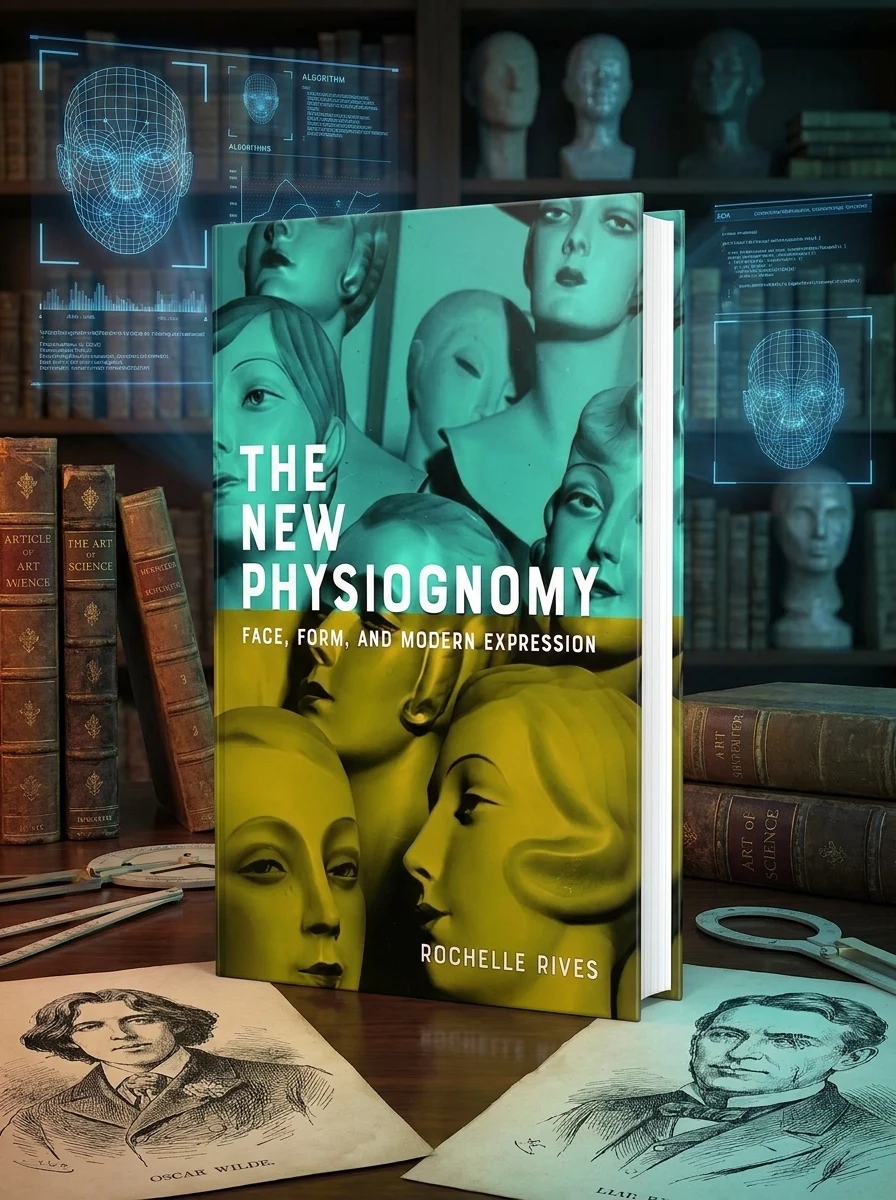



 91
91