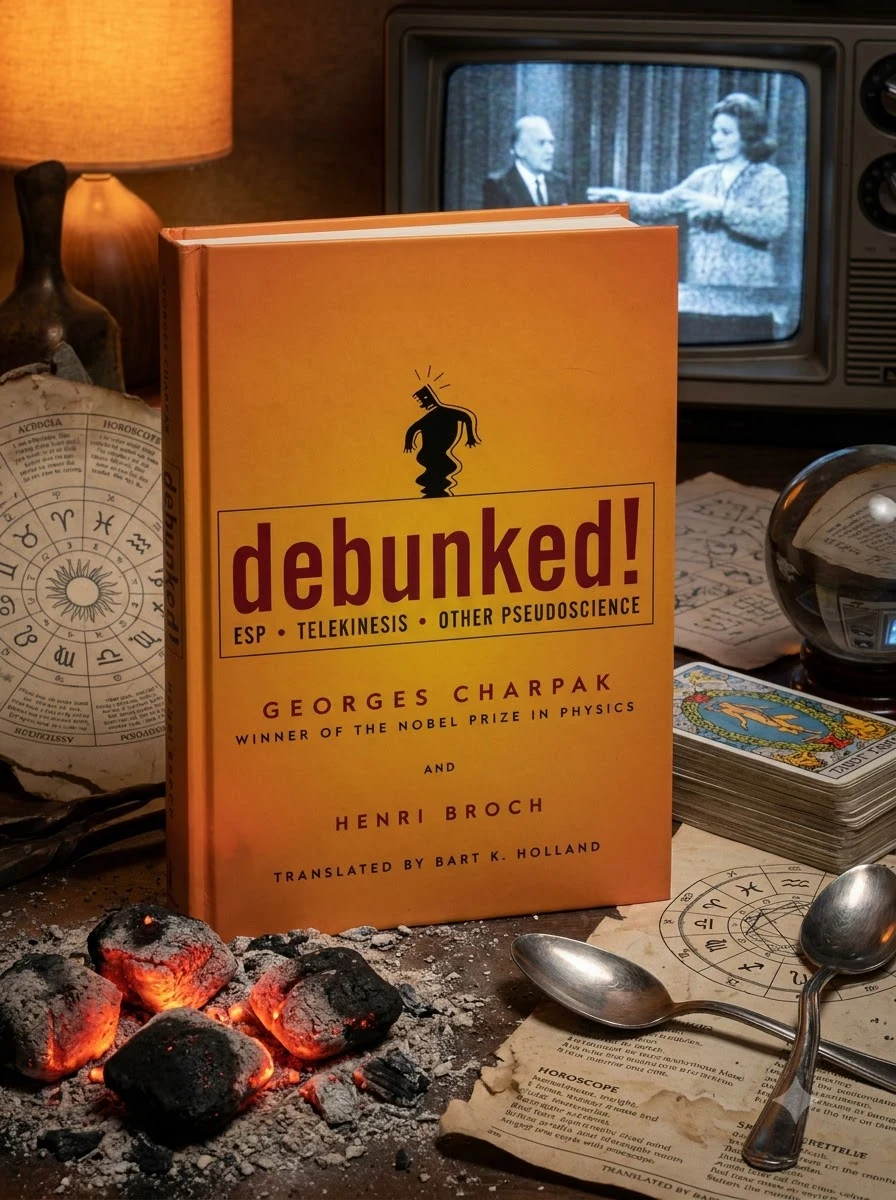
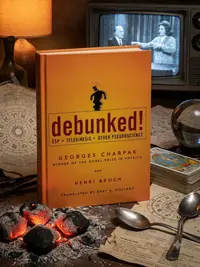
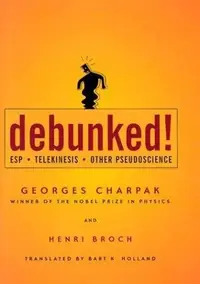
Debunked!: ESP, Telekinesis, and Other Pseudoscience


This edition can be ordered. No arrival date is confirmed.
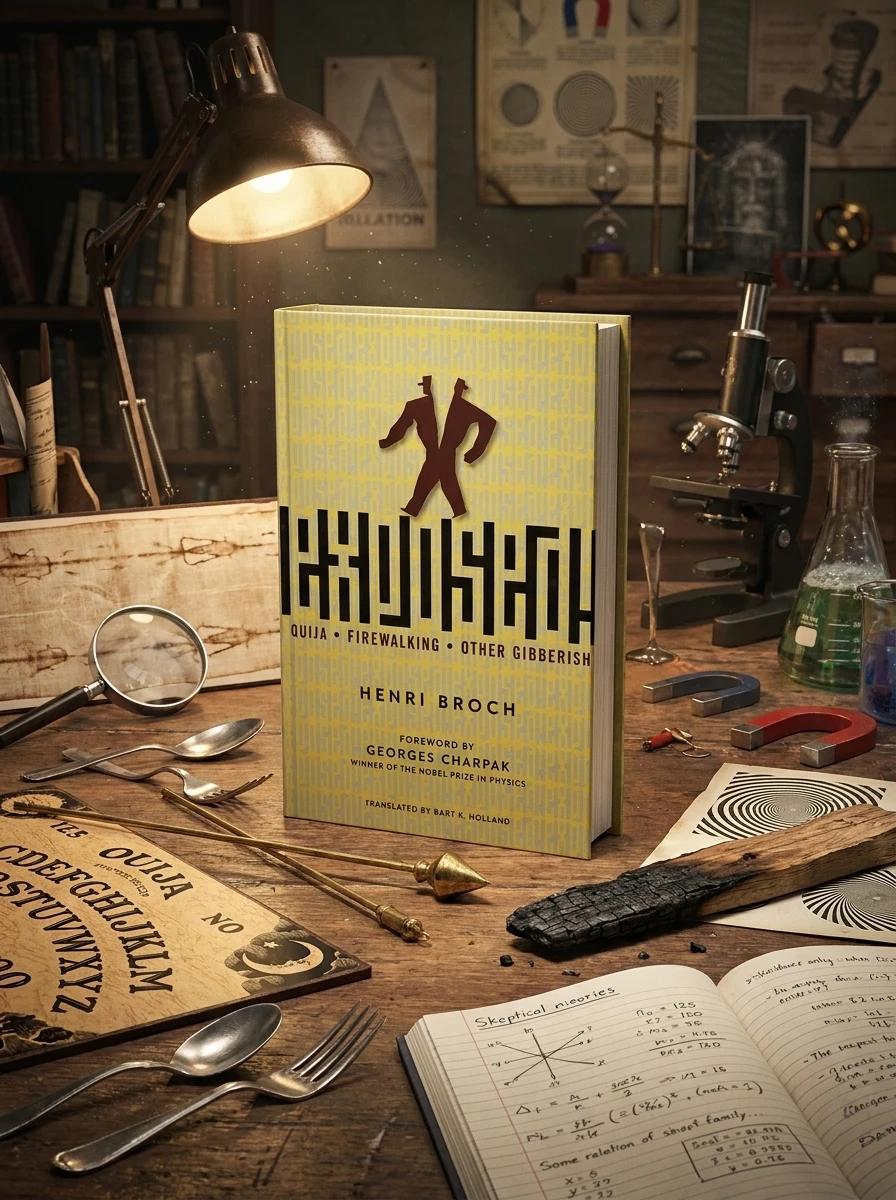
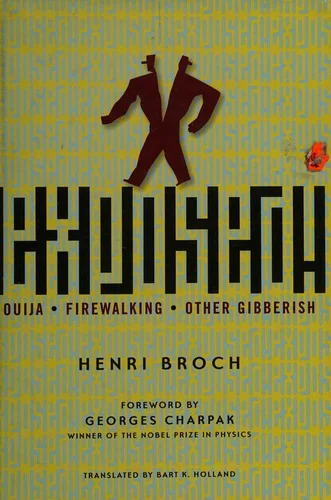
Nobel laureate Georges Charpak dismantles psychic illusions with the cold, hard light of physics.
This volume strips away the mystique surrounding ESP, telekinesis, and other paranormal claims by revealing the mechanical and psychological underpinnings of such phenomena. Charpak and co-author Henri Broch expose the sleight of hand, statistical misdirection, and psychological biases that allow pseudoscientific practitioners to maintain their influence. Rather than merely cataloging tricks, the text analyzes why audiences are so readily convinced, demonstrating how simple scientific principles can unravel even the most elaborate supernatural deceptions. It is a rigorous examination of how illusionists exploit the gap between perception and reality.
This work sits firmly within the tradition of scientific skepticism and critical inquiry into paranormal claims, bridging the gap between popular science writing and rigorous academic analysis. It reflects a period where established scientific figures actively engaged in demystifying occult phenomena through empirical methods.


📝 Description: Debunked!: ESP, Telekinesis, and Other Pseudoscience
💎 Expert review
📖 Why choose it
Why this book is worth reading
Readers who have ever felt uneasy about the unverified claims of psychic phenomena will find immense value in this text. It is ideal for those seeking a robust, evidence-based counter-narrative to supernatural beliefs. By exposing the mechanical and psychological tricks behind ESP and telekinesis, Charpak empowers readers with the tools to see through deception. The book is particularly beneficial for skeptics who want more than just dismissal; they crave an understanding of why illusion works so effectively. It offers clarity and intellectual satisfaction to anyone tired of pseudoscience masquerading as truth.
⭐ Reader reviews
Reader rating
Charpak delivers a sharp, physics-driven dismantling of paranormal myths, making it essential for rationalists. However, this book will not suit readers seeking validation of their spiritual beliefs or those who prefer nuanced, sympathetic explorations of the occult. It is blunt and unsparing, prioritizing scientific rigor over emotional resonance. Those looking for comforting mystical insights will find this text cold and dismissive. It is a rigorous examination of illusion, not a guide to esoteric practice. Readers must accept its premise that these phenomena are merely tricks before they can appreciate its value.
❓ Frequently asked questions
📖 Who should read this
Readers who appreciate rigorous skepticism and wish to understand the mechanics behind paranormal claims. Ideal for those seeking to protect themselves from deceptive practices or to sharpen their critical thinking skills against pseudoscientific assertions.
🎯 Key themes and symbolism
Skeptical Inquiry
Psychological Manipulation
Scientific Methodology
💬 Quotes from the book
“The blander the horoscope, the more likely it is to be accepted as true.”
“In an era of scientific advancement, belief in the supernatural remains alarmingly common.”
📜 Historical context
📚 Glossary
- Sleight of Hand
- Confirmation Bias
- Pseudoscience
📔 Questions to reflect on
- When have you encountered a prediction that seemed accurate, and what alternative explanations might exist?
- How do media representations of paranormal events influence your own skepticism or belief?
- What psychological needs might drive people to seek out psychic readings despite a lack of evidence?
🏛 Books from this publisher Johns Hopkins University Press
All books from this publisher →



You might also like
See more →