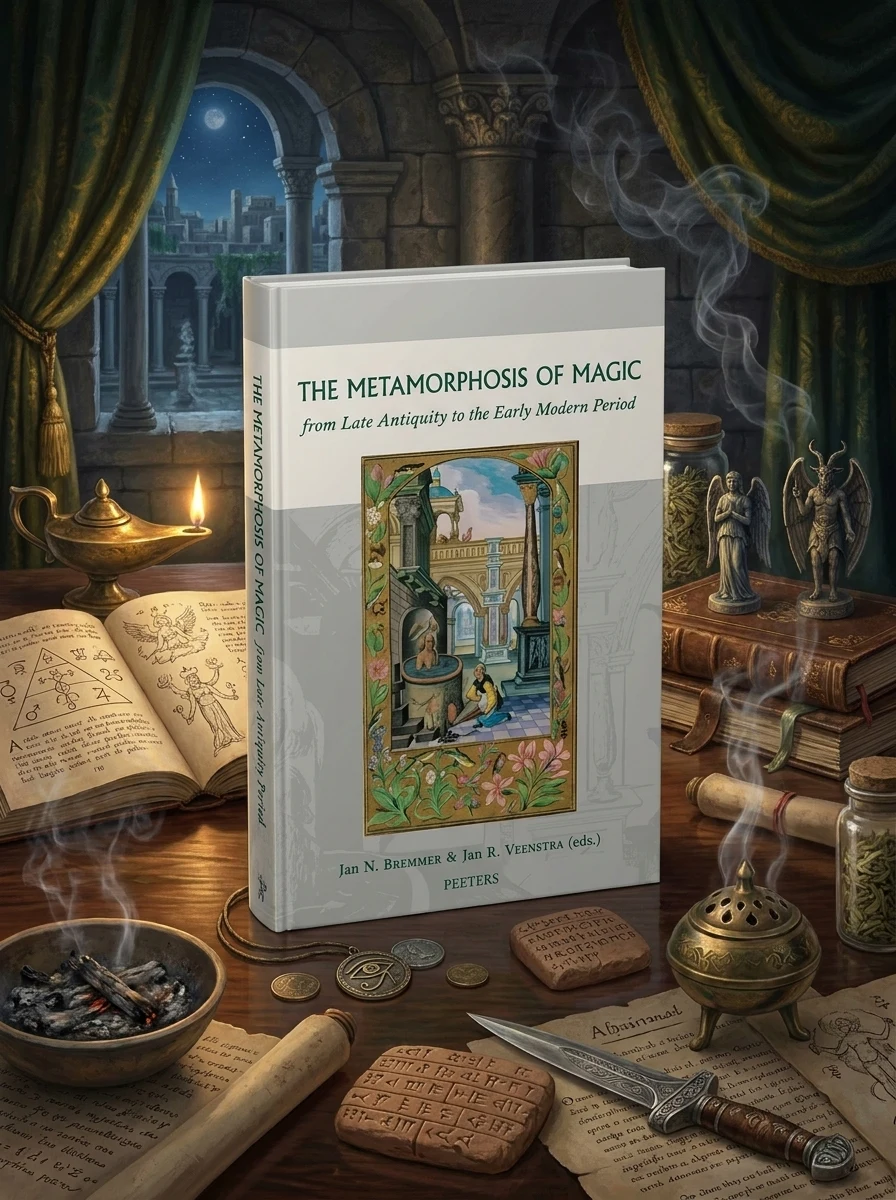
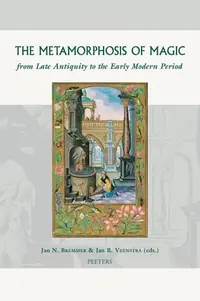
The Metamorphosis of Magic from Late Antiquity to the Early Modern Period Bremmer, Jn
This edition can be ordered. No arrival date is confirmed.
Uncover how ancient magic transformed from ritual into profound occult philosophy.
This compelling academic collection traces the fascinating evolution of magical practices from Late Antiquity through the Early Modern Period. It reveals how spiritual entities—deities, demons, and angels—became central to magic, leading to both its condemnation and its integration with philosophical thought, especially Neoplatonism. The volume meticulously details the methods used to engage the spirit world and how this communion offered practitioners paths to purification and deification. Witness magic's intellectual metamorphosis as it journeyed through diverse cultural landscapes, from Graeco-Roman traditions to the Arab world and the Latin West.
This scholarly volume situates the evolution of magic within the intellectual history of Late Antiquity and the Early Modern Period, exploring its transition from ritual practice to occult philosophy. It highlights the cross-cultural exchange between Graeco-Roman traditions, the Arab world, and the Latin West.


📝 Description: The Metamorphosis of Magic from Late Antiquity to the Early Modern Period Bremmer, Jn
💎 Expert review
📖 Why choose it
Why this book is worth reading
This book offers a profound intellectual journey for scholars and serious enthusiasts interested in the philosophical underpinnings of magic. Readers who appreciate how spiritual entities like deities, demons, and angels influenced magical practice will find this collection compelling. It is essential for those seeking to understand the condemnation and integration of magic with Neoplatonism. By detailing methods to engage the spirit world, it reveals paths to purification and deification. Those curious about the metamorphosis of magic across diverse cultural landscapes will gain a nuanced perspective on its historical significance.
⭐ Reader reviews
Reader rating
This academic collection provides a meticulous trace of magical evolution, making it valuable for researchers focused on Neoplatonism and spiritual entities. However, it is strictly scholarly and may not suit readers seeking practical grimoires or accessible narratives. Those looking for simple instructions or entertaining folklore will likely find the dense analysis of philosophical integration dry. The focus on condemnation and intellectual history requires patience. It is best reserved for those interested in the historical intersection of religion, philosophy, and magic rather than casual hobbyists.
❓ Frequently asked questions
📖 Who should read this
If you're fascinated by the intellectual evolution of magical practice, curious about its intersection with ancient philosophy, or keen to understand its journey across diverse cultures and spiritual traditions, this scholarly collection offers invaluable insights into the profound shifts in occult thought.
🎯 Key themes and symbolism
Magic as Philosophy
Discover how magic transcended mere ritual to align with profound philosophical thought, particularly Neoplatonism. The book illuminates how the pursuit of spiritual connection offered practitioners a path to purification and even a form of deification, fostering an intellectual and experiential quest for a deeper metaphysical understanding.
Cross-Cultural Evolution
Trace magic's journey through diverse cultural landscapes, examining its evolution within Judaism, Graeco-Roman traditions, and early Christianity. The text highlights how Late Antique theurgical practices were transmitted to the Arab world, eventually finding renewed expression and development in the intellectual currents of the High Middle Ages in the Latin West.
💬 Quotes from the book
“The shifting sands of Late Antique religious thought provided fertile ground for magic to transcend its ritualistic origins, absorbing and reshaping elements from Hellenic, Jewish, and nascent Christian perspectives.”
“Far from mere superstition, the magic of this era represented a profound engagement with metaphysical reality, offering a path towards spiritual elevation and a deeper communion with cosmic intelligences.”
📜 Historical context
📚 Glossary
- Late Antiquity
- Theurgy
- Suffumigation
📔 Questions to reflect on
- How does the book challenge your preconceived notions about the nature of 'magic' in historical contexts?
- In what ways did the interaction between magic and philosophy, particularly Neoplatonism, elevate or alter the perception of magical practices?
- Reflect on the impact of cultural and religious condemnation on the evolution and concealment of magical traditions during this period.
🏛 Books from this publisher Peeters
All books from this publisher →

You might also like
See more →

 91
91
 91
91