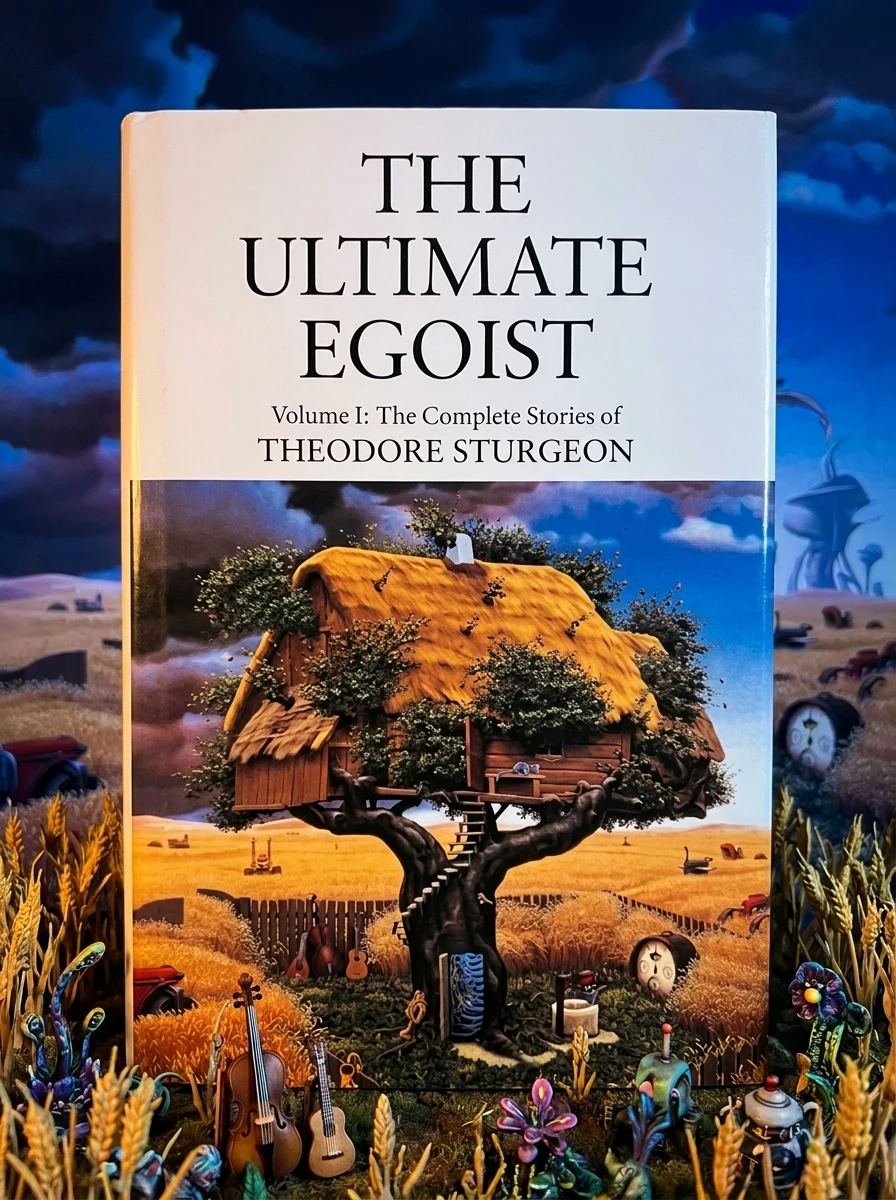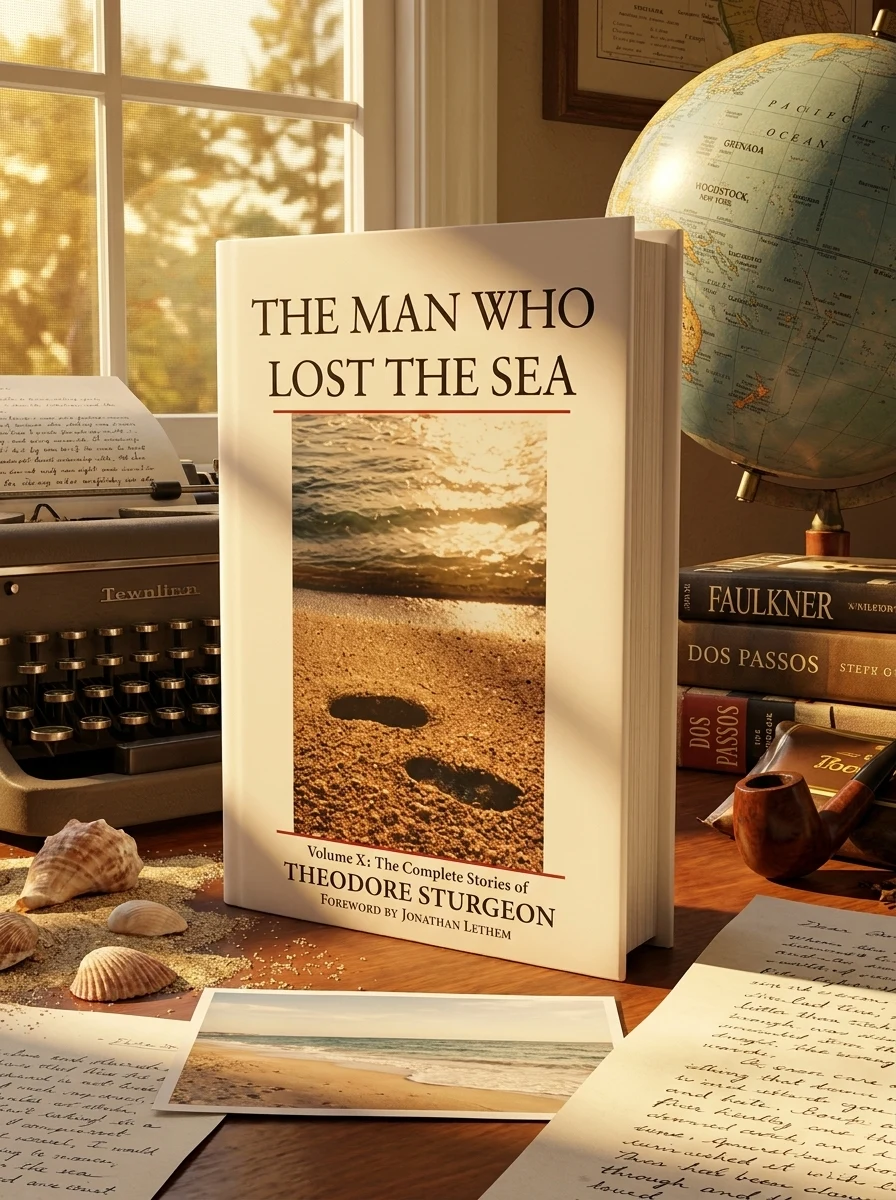

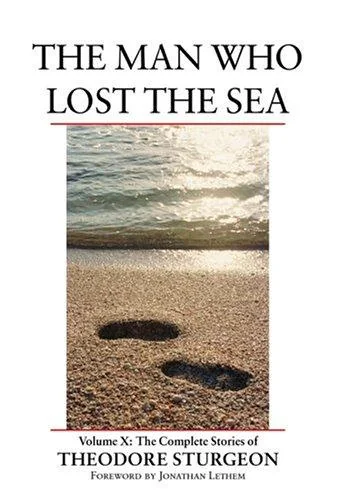
The Man Who Lost the Sea: Volume X: The Complete Stories of Theodore Sturgeon Sturgeon, Theodore
✍️ Sturgeon, Theodore;, Williams and 3 moreThis compelling collection unveils Theodore Sturgeon's remarkable artistic evolution between 1957 and 1960, a period marked by his shifting focus from conventional genre tropes to profound psychological exploration. With influences spanning literary giants like Faulkner, Sturgeon masterfully weaves tales that probe the human condition, often infused with a biting wit and vivid prose. From the Sputnik-inspired "The Man Who Lost the Sea" to the unsettling "The Graveyard Reader," these stories transcend simple classification, solidifying Sturgeon's reputation as a literary luminary capable of blending speculative wonder with raw, introspective power.


Praise for this book
“Theodore Sturgeon has become a kind of patron saint of SF short story writers. His fiction demonstrated a love of humanity and an understanding of human emotion unparalleled in the field. At the time of his death in 1985, no short story writer was held in so high a regard.”
“Historically, the Complete Sturgeon is one of the most important reissues in years. In terms of reading, this is a goldmine both for those already familiar with Sturgeon's work and for a new generation of readers ready for something real.”
📝 Description: The Man Who Lost the Sea: Volume X: The Complete Stories of Theodore Sturgeon Sturgeon, Theodore
💎 Expert review
📖 Why choose it
Why this book is worth reading
Readers seeking a departure from standard genre conventions will find immense value in this collection’s raw, introspective power. It appeals to those who appreciate vivid prose and biting wit woven into tales that probe the deepest layers of the human psyche. If you enjoy speculative fiction that transcends simple classification to explore cosmic mysteries alongside personal turmoil, this book offers a unique artistic evolution. It is ideal for anyone fascinated by the intersection of literary giants like Faulkner and the strange depths of the mind, providing a compelling journey through shifting focuses and profound psychological exploration without relying on familiar tropes.
⭐ Reader reviews
Reader rating
Sturgeon’s work here demands patience from those expecting straightforward plot resolutions or classic adventure narratives. Readers who prefer accessible, light entertainment may find the intense focus on the human condition and psychological complexity overwhelming or obscure. The collection is not for those seeking simple escapism; it requires engagement with raw, introspective power and speculative wonder that challenges conventional storytelling. While masterful in its blending of wit and depth, it may alienate readers who dislike ambiguous endings or dense literary influences. It is a significant artistic statement, but only for those willing to dive into the unsettling and profound rather than the familiar.
❓ Frequently asked questions
📖 Who should read this
If you seek stories that probe the soul's shadows and cosmic strangeness, moving beyond mere escapism, this collection beckons. It's for those who appreciate speculative fiction as a mirror to our deepest fears and desires, crafted with a master's touch, and for anyone curious about the roots of modern literary fantasy and sci-fi.
🎯 Key themes and symbolism
Psychological Depths Explored
Sturgeon delves into the intricate inner worlds of his characters, peeling back layers of consciousness to reveal hidden fears, desires, and neuroses. His narratives prioritize the mind's labyrinthine corridors over external conflict, crafting stories that are as much about self-discovery and internal struggle as they are about alien encounters or strange phenomena.
Humanity's Evolving Place
Set against the backdrop of an expanding universe and burgeoning technological advancements, these stories frequently question humanity's role and identity. Sturgeon uses the canvas of speculative fiction to reflect on societal anxieties, personal transformations, and the often-uncomfortable truths of our shared existence, urging readers to ponder their own place in the cosmic tapestry.
Transcending Genre Boundaries
This volume exemplifies how Sturgeon pushed the limits of science fiction and fantasy, infusing them with a literary gravitas previously uncommon. He employs speculative elements not as ends in themselves, but as potent metaphors to explore complex themes of isolation, love, and the uncanny, blurring the lines between pulp entertainment and high art.
📜 Historical context
📚 Glossary
- Mordancy
- Zeitgeist
- Psychological Realism
📔 Questions to reflect on
- How do the psychological landscapes Sturgeon crafts reflect the external societal anxieties of his era, and how might they resonate with contemporary concerns?
- In what ways do these stories challenge the conventional boundaries between genre fiction and literary art, and how does Sturgeon achieve this fusion?
- Consider the metaphorical implications of 'losing the sea.' What personal 'seas' might one lose or find within themselves, and what does that journey entail?