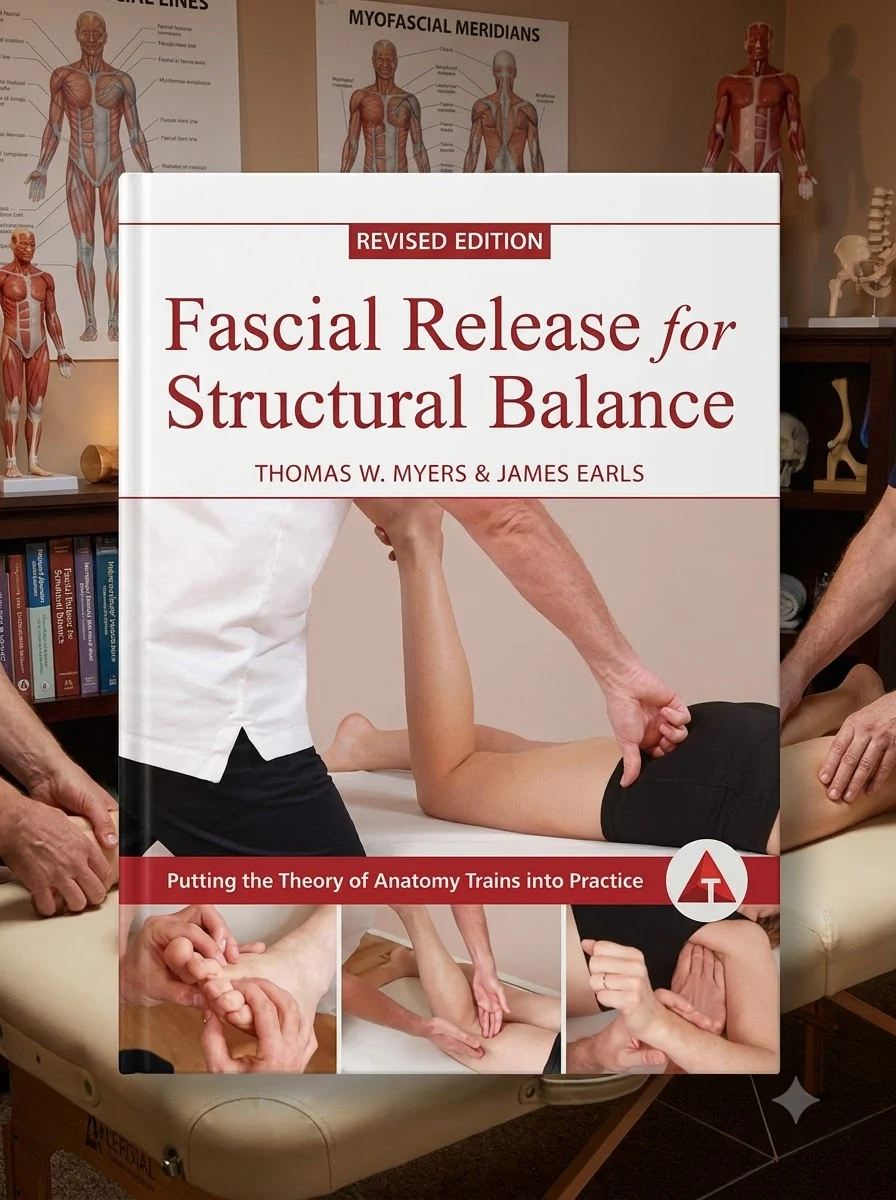
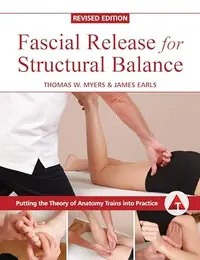
Fascial Release for Structural Balance, Revised Edition: Putting the Theory of Anatomy Trains Into Practice


Stock reported in the catalog; fulfillment is confirmed with your request.
Discover the hidden architecture of the body for profound structural transformation and lasting relief.
This extensively updated guide, "Fascial Release for Structural Balance," delves into the intricate world of fascia and myofascia, presenting the most current understanding of its profound impact on the human form. Building upon the foundational principles of "Anatomy Trains," it meticulously explores the interplay between structure and function. Practitioners will find an exhaustive introduction to fascial release therapy, complete with detailed postural analysis, precise technique descriptions, and the subtle art of "bodyreading" for patient assessment. Enhanced with over 150 illustrative color photographs, this book is an indispensable resource for manual therapists seeking to refine their practice.
This work sits at the intersection of somatic practice and manual therapy, bridging scientific anatomy with holistic bodywork traditions. It extends the theoretical framework of Anatomy Trains into practical application for structural balance.


📝 Description: Fascial Release for Structural Balance, Revised Edition: Putting the Theory of Anatomy Trains Into Practice
💎 Expert review
📖 Why choose it
Why this book is worth reading
Professionals seeking to refine their manual therapy practice will find this revised edition indispensable. It offers an exhaustive introduction to fascial release therapy, moving beyond theory into precise application. Practitioners gain access to detailed postural analysis methods and the subtle art of bodyreading for accurate patient assessment. The inclusion of over 150 color photographs ensures that technique descriptions are clear and actionable. Those desiring profound structural transformation and lasting relief through understanding the hidden architecture of the body will appreciate this meticulous exploration of structure and function. It serves as a vital resource for anyone committed to mastering the interplay between fascia and human form.
⭐ Reader reviews
Reader rating
This text is a rigorous, technical manual rather than a casual read. While it excels in providing exhaustive technique descriptions and postural analysis for serious practitioners, it may overwhelm those seeking quick fixes or theoretical philosophy alone. The dense focus on anatomical mechanics and specific release methods requires a strong baseline in bodywork. It does not suit readers interested solely in metaphysical aspects of energy work without the grounding of structural anatomy. However, for dedicated therapists aiming to deepen their clinical skills with current fascial understanding, it remains an essential, highly detailed guide.
❓ Frequently asked questions
📖 Who should read this
If you are a dedicated manual therapist—a physiotherapist, osteopath, chiropractor, massage therapist, or a specialist in myofascial release—seeking to deepen your understanding of the body's intricate architecture and refine your hands-on healing techniques, this volume is an essential addition to your professional library.
🎯 Key themes and symbolism
The Fascial System's Influence
This edition thoroughly updates our understanding of fascia and myofascia, revealing its crucial, often overlooked, role in bodily mechanics and overall health. It integrates the newest scientific findings to demonstrate how this connective tissue network dictates movement patterns, structural integrity, and even chronic pain, offering a comprehensive overview of its significance.
Structural Assessment & Balance
The work emphasizes a holistic approach to structural balance, guiding practitioners through advanced methods of postural analysis and "bodyreading." Learn to decipher the subtle cues of a patient's physical presentation, understanding how anatomical structure directly influences function and how to restore equilibrium through targeted fascial interventions.
Practical Release Techniques
Beyond theory, this guide provides a wealth of practical techniques for fascial release. It details specific manual therapy applications, complemented by over 150 vivid color photographs illustrating each step. Designed for immediate application, these methods empower practitioners to effectively address structural imbalances and alleviate discomfort in clients.
💬 Quotes from the book
“True structural balance emerges not from isolated corrections, but from understanding the intricate web of tension that defines the body's holistic architecture.”
“The skilled hand learns to listen, discerning the subtle resistance of tissue to unlock the body's inherent capacity for realignment and ease.”
📜 Historical context
📚 Glossary
- Fascia
- Myofascia
- Bodyreading
📔 Questions to reflect on
- How might a deeper understanding of fascial continuity transform your current approach to client assessment and treatment planning?
- Reflect on a challenging client case; how could applying "bodyreading" principles have revealed new insights or alternative intervention strategies?
- What are three specific fascial release techniques from this book you are eager to integrate into your practice, and why?
🏛 Books from this publisher North Atlantic Books
All books from this publisher →







You might also like
See more →