US shipping Secure card payment Occult and esoteric books

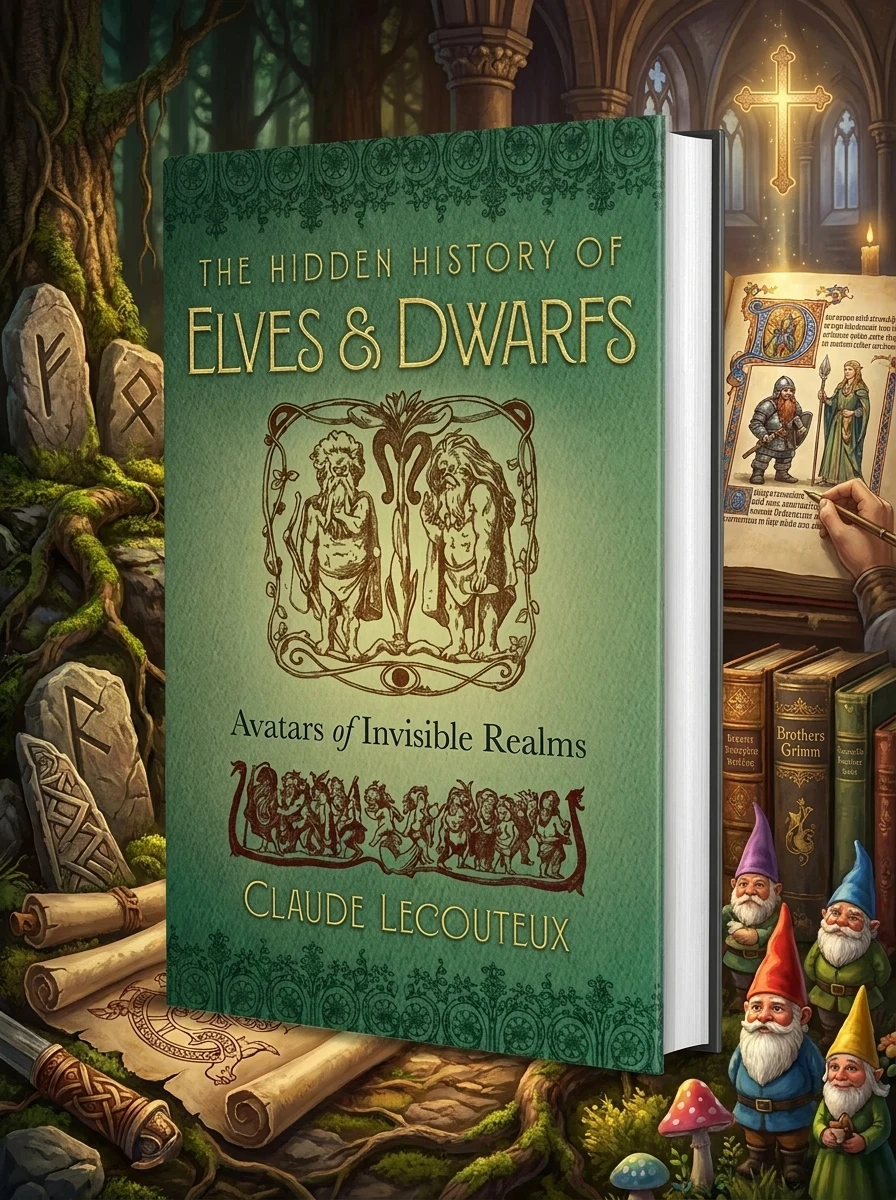
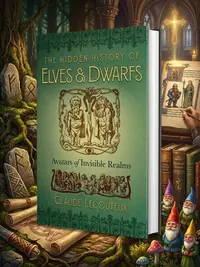
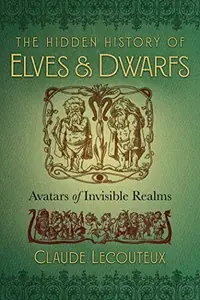
The Hidden History of Elves and Dwarfs: Avatars of Invisible Realms

Lecouteux, Claude; , Boyer, Régis
Reader rating
4.5
(1 reviews) 137 sold
Availability to be confirmed

This edition can be ordered. No arrival date is confirmed.

📚 ABOUT THE BOOK

Unearth the formidable, forgotten origins of elves and dwarfs, far beyond their modern fairy-tale guises.

This compelling volume delves into the profound, intertwined history of elves and dwarfs, revealing their true nature as powerful, pre-Christian entities. Lecouteux meticulously traces their evolution from shapeshifting warriors in ancient Celtic and Germanic lore to the more benign, often diminutive figures popularized by later literature and media. The book highlights the pivotal role of the Church in transforming these formidable spirits into gentler, more approachable characters, ultimately shaping their contemporary image as garden gnomes and Santa's helpers. A deep dive into the roots of European folklore.

Key themes
Ancient Mythic Roots Christianity's Influence Modern Popularization
Historical context

This work sits firmly within the realm of European folklore studies and pre-Christian mythology, exploring the deep historical roots of invisible realms in Celtic and Germanic traditions. It bridges the gap between ancient spiritual beliefs and the evolution of modern mythological imagery.

Difficulty
●● Moderate
Fans will love it
Miranda Murray · H.R. Ellis Davidson · The Folklore of Old Europe
🕯️ Occult Philosophy
🏛 Inner Traditions International 📅 2018 📖 240 pages 📔 Hardcover 📐 Hardcover ISBN: 9781620557150
Fun fact
Lecouteux and Boyer deliver a meticulously researched and thought-provoking exploration, masterfully stripping away centuries of popular embellishment to reveal the true, wild essence of elves and dwarfs. While not a light read for those seeking whimsical tales, its academic rigor and expansive scope make it an invaluable contribution to folklore studies. It brilliantly challenges our preconceived notions, firmly establishing itself as an essential text for understanding the deep historical roots of these enduring mythical figures.

📝 Description: The Hidden History of Elves and Dwarfs: Avatars of Invisible Realms

A comprehensive examination of the intertwined mythology, folklore, and literary history of the little people - Explores the pagan roots of dwarfs and elves and their evolution in myth and literature - Reveals the role the church played in changing them from fearless, shape-shifting warriors with magical powers into cheerful helpmates and cute garden gnomes - Traces their history from ancient Celtic and Germanic lore through their emergence in the literature of the Middle Ages to their modern popularization by the Brothers Grimm and Walt Disney Most people are familiar with the popular image of elves as Santa's helpers and dwarfs as little bearded men wearing red caps, who are mischievous and playful, helpful and sly, industrious and dexterous. But their roots go far deeper than their appearance in fairy tales and popular stories. Elves and dwarfs are survivors of a much older belief system that predates Christianity and was widespread throughout Western Europe. Sharing his extensive analysis of Germanic and Norse legends, as well as Roman, Celtic, and medieval literature, Claude Lecouteux explores the ancient, intertwined history of dwarfs and elves. He reveals how both were once peoples who lived in wild regions as keepers of the secrets of nature. They were able to change their size at will and had superhuman strength and healing powers. They were excellent smiths, crafting swords that nothing could dull as well as magical jewelry, and often entered into the service of lords or heroes. They were a part of the everyday life of our ancestors before they were transformed by fairy tales and church texts into the mythical creatures we know today. Lecouteux shows how, in earlier folklore, elves and dwarfs were interchangeable, gradually evolving over time to express very different kinds of beings. "Dwarf," "giant," and even "elf" did not necessarily connote size but referred to races with different skills. Elves were more ethereal, offering protection and kindness, while dwarfs reflected a more corporeal form of spirit, often appearing as messengers from the underworld. Yet dwarfs and elves could be bargained with, and our ancestors would leave a broken object outside the door at night with the hope that a dwarf or elf (or other local spirit) would repair it. Revealing the true roots of these helpful and powerful beings, including an in-depth exploration of one of the most famous dwarf/elf/fairy beings of the Middle Ages, Auberon or Oberon, also known as Alberich, Lecouteux shows how the magic of dwarfs and elves can be rekindled if we recognize their signs and invite them back into our world.

💎 Expert review

💎
Esoterica Books editorial team
Occult literature desk
Lecouteux provides a rigorous examination of how elves and dwarfs evolved from fearsome, shapeshifting warriors into benign figures under Church influence. While the historical analysis is thorough and engaging for folklore enthusiasts, it may disappoint readers seeking magical spellbooks or practical occult workings. The text is academic in tone, focusing on cultural transformation rather than esoteric ritual. Those looking for lighthearted fantasy inspiration might find the emphasis on ecclesiastical suppression dry. However, for those interested in the serious study of how religious power reshaped indigenous spirituality and mythic archetypes, this remains a valuable, if dense, contribution to the field of hidden history.
✓ EDITOR'S REVIEW

📖 Why choose it

📖

Why this book is worth reading

Readers fascinated by the shadowy origins of familiar fantasy tropes will find this book an essential guide to understanding elves and dwarfs as formidable, pre-Christian entities rather than mere garden ornaments. Claude Lecouteux offers a compelling narrative that strips away centuries of ecclesiastical softening to reveal these spirits as shapeshifting warriors and powerful avatars of invisible realms. This volume is ideal for those seeking a deeper, more authentic connection to European folklore, providing context that enriches the appreciation of mythological literature and historical spiritual practices. It invites you to look past the sanitized fairy-tale versions to discover the raw, potent energy that originally defined these beings in ancient lore.

⭐ Reader reviews

The starting rating comes from the team Esoterica Books —
⭐ Esoterica editorial review Editorial rating 4.5/5
★★★★
If you're a student of folklore, mythology, or cultural history, eager to deconstruct popular fantasy tropes, this book offers a rigorous academic exploration. It's for those who wish to understand the profound spiritual and historical underpinnings of seemingly whimsical figures.

Reader rating

4.5
Based on 1 reviews
5
0
4
1
3
0
2
0
1
0
E
Esoterica Books editorial team

Lecouteux provides a rigorous examination of how elves and dwarfs evolved from fearsome, shapeshifting warriors into benign figures under Church influence. While the historical analysis is thorough and engaging for folklore enthusiasts, it may disappoint readers seeking magical spellbooks or practical occult workings. The text is academic in tone, focusing on cultural transformation rather than esoteric ritual. Those looking for lighthearted fantasy inspiration might find the emphasis on ecclesiastical suppression dry. However, for those interested in the serious study of how religious power reshaped indigenous spirituality and mythic archetypes, this remains a valuable, if dense, contribution to the field of hidden history.

❓ Frequently asked questions

It argues that elves and dwarfs originated as powerful, pre-Christian entities whose nature was profoundly altered by the rise of Christianity and subsequent popular culture, obscuring their formidable ancient forms.
The book spans ancient Celtic and Germanic lore, Norse sagas, Roman texts, medieval literature, and modern interpretations from the Brothers Grimm to Walt Disney, offering a comprehensive historical sweep.

📖 Who should read this

If you're a student of folklore, mythology, or cultural history, eager to deconstruct popular fantasy tropes, this book offers a rigorous academic exploration. It's for those who wish to understand the profound spiritual and historical underpinnings of seemingly whimsical figures.

🎯 Key themes and symbolism

Ancient Mythic Roots

The book meticulously uncovers the pagan origins of elves and dwarfs, portraying them not as cute or helpful, but as powerful, often fearsome beings. Drawing from ancient Germanic and Norse sagas, it reveals their original roles as shape-shifting warriors with significant magical capabilities, central to pre-Christian spiritual landscapes across Western Europe.

Christianity's Influence

This work explores how the rise of Christianity dramatically reshaped the perception of these mythological beings. It details the strategic efforts by the Church to recontextualize and domesticate these pagan spirits, transforming them from potent, sometimes dangerous, entities into more palatable figures like cheerful helpmates or mischievous, harmless creatures, stripped of their original, wild power.

Modern Popularization

The text traces the journey of elves and dwarfs from ancient lore through medieval literature to their widespread modern recognition. It examines how figures like the Brothers Grimm and Walt Disney further solidified their contemporary, often simplified, images. This progression shows a gradual shift from formidable beings of invisible realms to the familiar, sometimes sentimental, characters of popular culture.

💬 Quotes from the book

“The quaint, diminutive figures we often envision today are but pale echoes of their formidable, shapeshifting ancestors who commanded respect and fear in the ancient pagan world.”

“Christianity's deliberate reframing transformed these once potent spirits into harmless, sometimes benevolent, figures, effectively domesticating the wild essence of pre-Christian animism.”

📜 Historical context

This work stands firmly within the tradition of comparative mythology and religious studies, akin to scholarship that examines the metamorphosis of indigenous beliefs under dominant cultural shifts. It connects deeply with the study of European folklore, offering a crucial lens through which to understand the continuity and transformation of pre-Christian spiritual traditions and their enduring impact on Western imagination.

📚 Glossary

Paganism
Folklore
Mythology

📔 Questions to reflect on

  1. Consider another mythological creature. How might its original meaning differ from its modern perception, and what forces caused that shift?
  2. Reflect on the role popular culture plays in simplifying or altering complex ancient beliefs. Is this a loss or an evolution?
  3. How do the stories we tell about magical beings reflect our own societal values and fears across different eras?

🏛 Books from this publisher Inner Traditions International

All books from this publisher →

You might also like

See more →