US shipping Secure card payment Thousands of titles
👤 Sign in

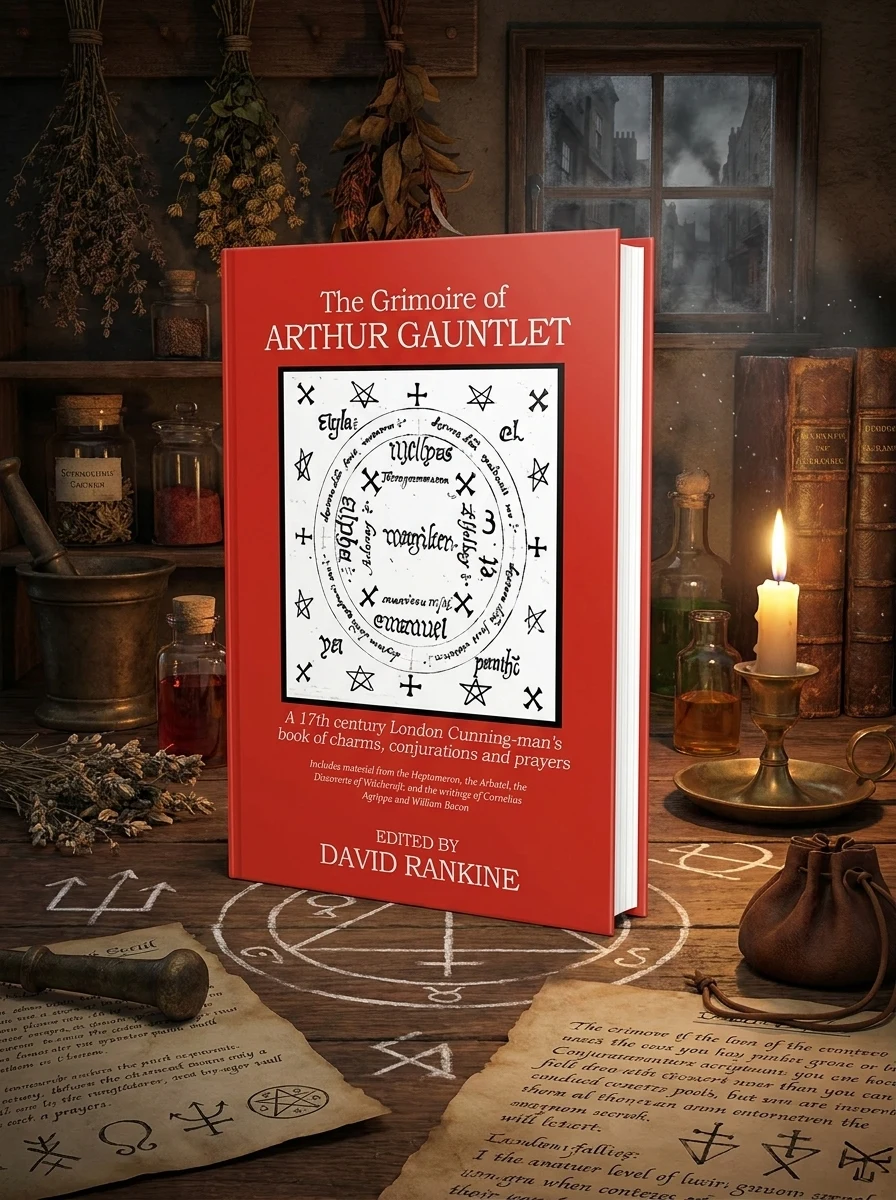
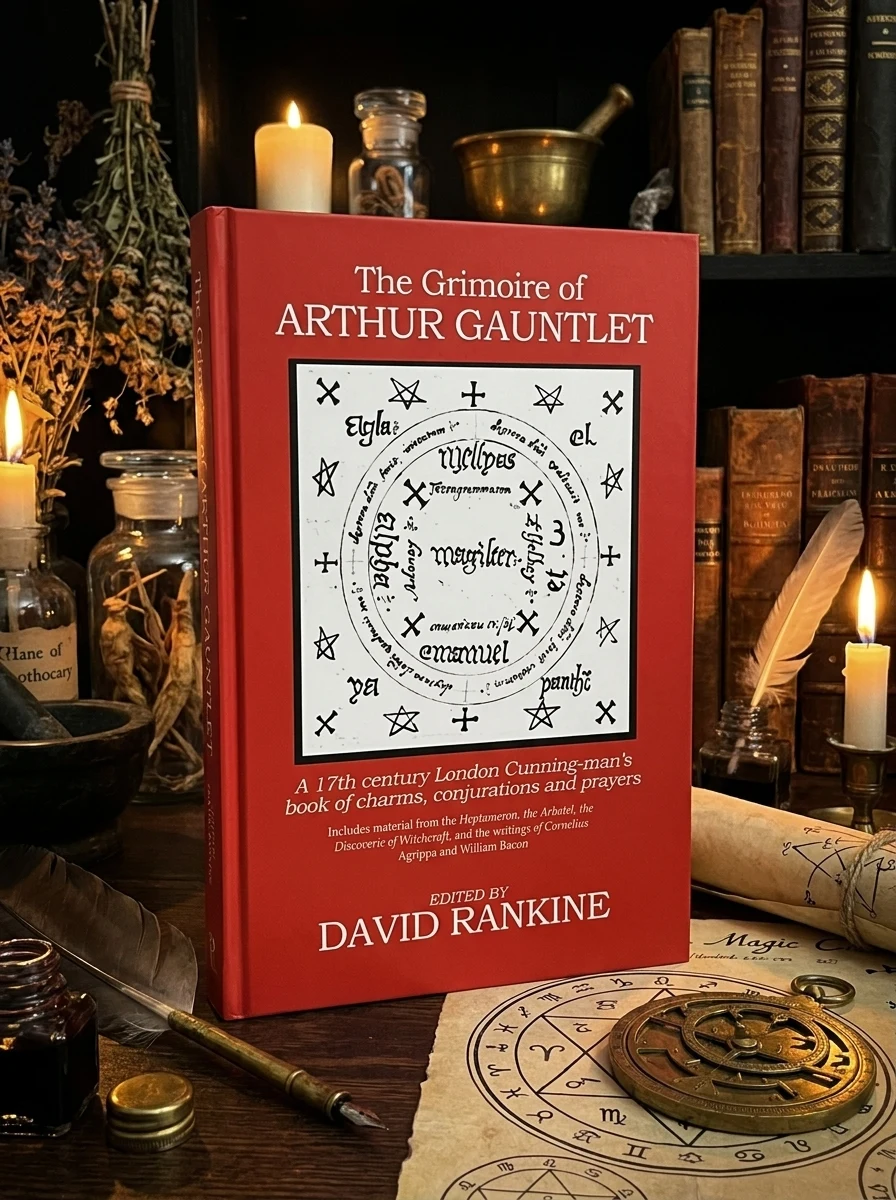
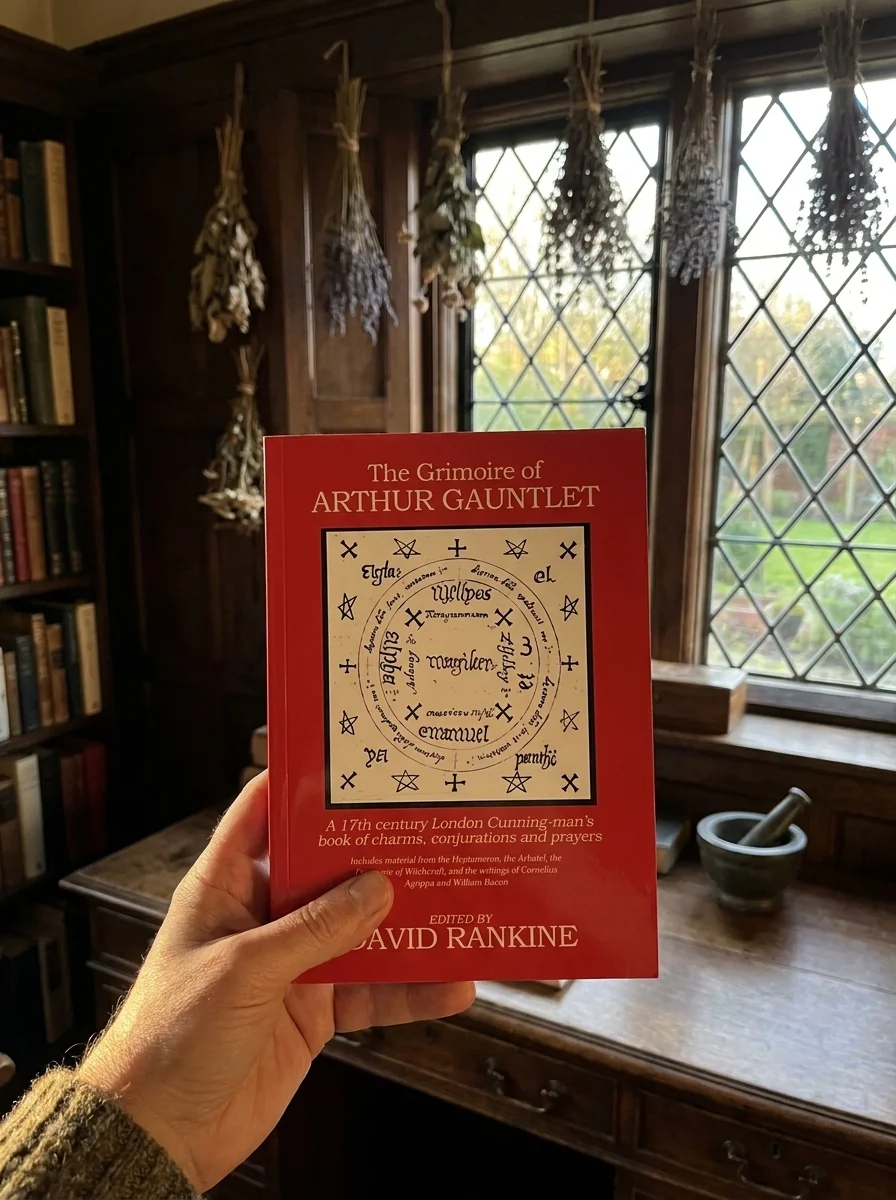
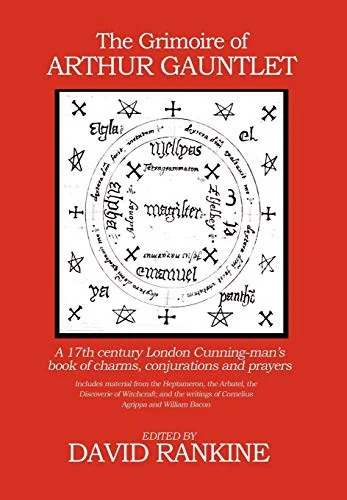
The Grimoire of Arthur Gauntlet: A 17th Century London Cunningman's Book of Charms, Conjurations and Prayers

✍️ Rankine, David
75 $
📚 ABOUT THE BOOK

Unearth a 17th-century London cunning-man's secret spells, charms, and angelic conjurations for health and fortune.

This remarkable volume unveils the personal working manuscript of Arthur Gauntlet, a London cunning-man operating from Gray's Inn Lane in the 1600s. It offers an unparalleled window into the day-to-day magical and healing practices of a folk magician, blending herbal remedies with Christian prayers, biblical charms, and intricate angelic conjurations. The grimoire reveals a fascinating, eclectic approach to practical magic, addressing common needs like health, wealth, love, and protection, showcasing the spiritual depth and diverse influences inherent in historical cunning-craft.


Key themes
{'title': 'Cunning-Craft Practice', 'body': "Explore the pragmatic magic of a 17th-century cunning-man. Gauntlet's grimoire is a testament to how folk practitioners addressed community problems, from illness to lost items, using a blend of charms, prayers, and herbal lore. It illustrates the hands-on, community-focused application of magical arts during a time when such services were essential."} {'title': 'Sacred & Occult Synthesis', 'body': 'Delve into the unique integration of Christian piety and esoteric practice. Gauntlet seamlessly weaves biblical scripture, particularly the Psalms, with angelic conjurations and protective charms. This synthesis highlights a period where spiritual belief and magical operation were often indivisible, offering a rich perspective on historical magical spirituality beyond modern divisions.'} {'title': 'Esoteric Lineage & Influences', 'body': "Uncover the rich intellectual tapestry informing Gauntlet's work. His grimoire draws from an impressive array of predecessors, including seminal texts like the Arbatel and Heptameron, as well as the teachings of influential figures like Cornelius Agrippa and Dr. John Dee. This demonstrates the sophisticated, scholarly roots of even 'folk' magical practice."}
🏛 Avalonia 📅 2011 📖 334 pages 📔 Hardcover 📐 Hardcover ISBN: 9781905297542
In stock — ready to ship
Fun fact
David Rankine's meticulous work on Arthur Gauntlet's grimoire offers an invaluable, unvarnished look into 17th-century English folk magic. It's not a modern 'how-to' guide, but a scholarly treasure for historians, practitioners of traditional witchcraft, and anyone fascinated by the intertwining of religion and magic. While it might disappoint those seeking a beginner's spellbook, it brilliantly illuminates the practical, spiritual, and intellectual landscape of a working cunning-man, cementing its place as a cornerstone text in esoteric studies.

📝 Description: The Grimoire of Arthur Gauntlet: A 17th Century London Cunningman's Book of Charms, Conjurations and Prayers

The Grimoire of Arthur Gauntlet is an outstanding example of a seventeenth century London Cunning-man's book of practice. Cunning-folk were practitioners of magic and herbal medicine who dealt with problems in their local communities. Cunning-man Arthur Gauntlet was based in Gray's Inn Lane in London, and his personal working book contains a fascinating diverse mixture of herbal remedies, prayers, magical and biblical charms, with previously unseen angelic conjurations and magic circles, in an eclectic blend of practical magic for health, wealth, love and protection. This unique manuscript demonstrates both the diverse and spiritual nature of such Cunning-folk's books of practice, as well as their magical emphasis on Biblical scripture, particularly the Psalms, and their opposition to witchcraft, found in charms and conjurations. Arthur Gauntlet worked with a female skryer called Sarah Skelhorn, and drew on numerous preceding sources for his craft, including the Arbatel, the Heptameron, Folger Vb.26, The Discoverie of Witchcraft, the Book of Gold, the writings of the German magus Cornelius Agrippa, the astrologer William Bacon and Queen Elizabeth I's court astrologer Dr. John Dee, as well as other London Cunning-folk. In his introduction, the author provides fresh insights into the hidden world of seventeenth century magical London, exploring the web of connections between astrologers, cunning-folk and magicians, playwrights, authors and church figures. These connections are also highlighted by the provenance of the manuscript, which is traced from Arthur Gauntlet through the hands of such notable angel magicians as Elias Ashmole (founder of the world's first public museum, the Ashmolean in Oxford), Baron Somers (the Lord Chancellor), Sir Joseph Jekyll (Master of the Rolls) and Sir Hans Sloane (founder of the British Museum), as well as the astrologer John Humphreys and the cunning-woman Ann Savadge. This is a unique work which draws attention to the often neglected place of women in seventeenth century magic, both as practitioners (such as skryers and Cunning-women), and customers. It also emphasises the vital and influential role played by Cunning-Men and Women in synthesising and transmitting the magical traditions of medieval Britain into the subsequent centuries, as well as their willingness to conjure a wide range of spiritual creatures to achieve results for their clients, including angels, demons, fairies, and the dead.

⭐ Reader reviews

The starting rating comes from the team Esoterica Books — add yours →
⭐ Esoterica editorial review Editorial rating 4.5/5
★★★★
If you're captivated by the history of magic, the practical applications of grimoires, or the intricate folk traditions of 17th-century England, this book is an essential acquisition. It offers a rare, authentic glimpse into a working magician's world.

Reader rating

Reviews yet. Be the first!

❓ Frequently asked questions

A cunning-man, or cunning-person, was a folk practitioner in historical Britain who provided practical services like healing, finding lost items, identifying witches, and offering protective charms, often blending traditional herbalism with Christian prayers and esoteric magic.
The book features a diverse range of practices, including herbal remedies, protective charms against witchcraft, biblical prayers and conjurations, and previously unseen angelic invocations and magic circles, all aimed at practical life concerns.

📖 Who should read this

If you're captivated by the history of magic, the practical applications of grimoires, or the intricate folk traditions of 17th-century England, this book is an essential acquisition. It offers a rare, authentic glimpse into a working magician's world.

🎯 Key themes and symbolism

Cunning-Craft Practice

Explore the pragmatic magic of a 17th-century cunning-man. Gauntlet's grimoire is a testament to how folk practitioners addressed community problems, from illness to lost items, using a blend of charms, prayers, and herbal lore. It illustrates the hands-on, community-focused application of magical arts during a time when such services were essential.

Sacred & Occult Synthesis

Delve into the unique integration of Christian piety and esoteric practice. Gauntlet seamlessly weaves biblical scripture, particularly the Psalms, with angelic conjurations and protective charms. This synthesis highlights a period where spiritual belief and magical operation were often indivisible, offering a rich perspective on historical magical spirituality beyond modern divisions.

Esoteric Lineage & Influences

Uncover the rich intellectual tapestry informing Gauntlet's work. His grimoire draws from an impressive array of predecessors, including seminal texts like the Arbatel and Heptameron, as well as the teachings of influential figures like Cornelius Agrippa and Dr. John Dee. This demonstrates the sophisticated, scholarly roots of even 'folk' magical practice.

💬 Quotes from the book

«For the finding of things lost, or the revealing of that which is hidden, call upon the Angel Anael in his hour, with purity of heart.»

«Against the bewitchment of the cattle, take hyssop and rue, and bind with a thread of purest wool, speaking the Psalm of David thrice.»

📜 Historical context

This grimoire stands as a pivotal document from a fascinating era in English magical history. Emerging from the post-Reformation landscape, it exemplifies how Christian piety, biblical text, and complex angelic magic coalesced in the practice of cunning-folk, who served as community healers and problem-solvers, often in opposition to perceived witchcraft, bridging the sacred and the profane.

📚 Glossary

Cunning-man
Grimoire
Skrying

📔 Questions to reflect on

  1. How might a modern 'cunning-man' or 'cunning-woman' adapt Gauntlet's principles of community service and eclectic practice for contemporary needs?
  2. Reflect on the blend of Christian scripture and magical practice in Gauntlet's grimoire. How does this challenge or confirm your understanding of historical spirituality?
  3. Consider the role of collaboration, like Gauntlet's work with the skryer Sarah Skelhorn, in magical practice. What does this suggest about the solitary versus communal nature of occult work?
Home Genres
Cart
Favorites
Menu
Esoterica Books Esoterica Books
Sign in or create an account Orders & favorites
Book genres Collections Bestsellers Deals and off What to read
Favorites Cart Track an order
Help
Chat with Esoterica Books Call us
Information
About us Shipping & payment Returns Terms Privacy Contact