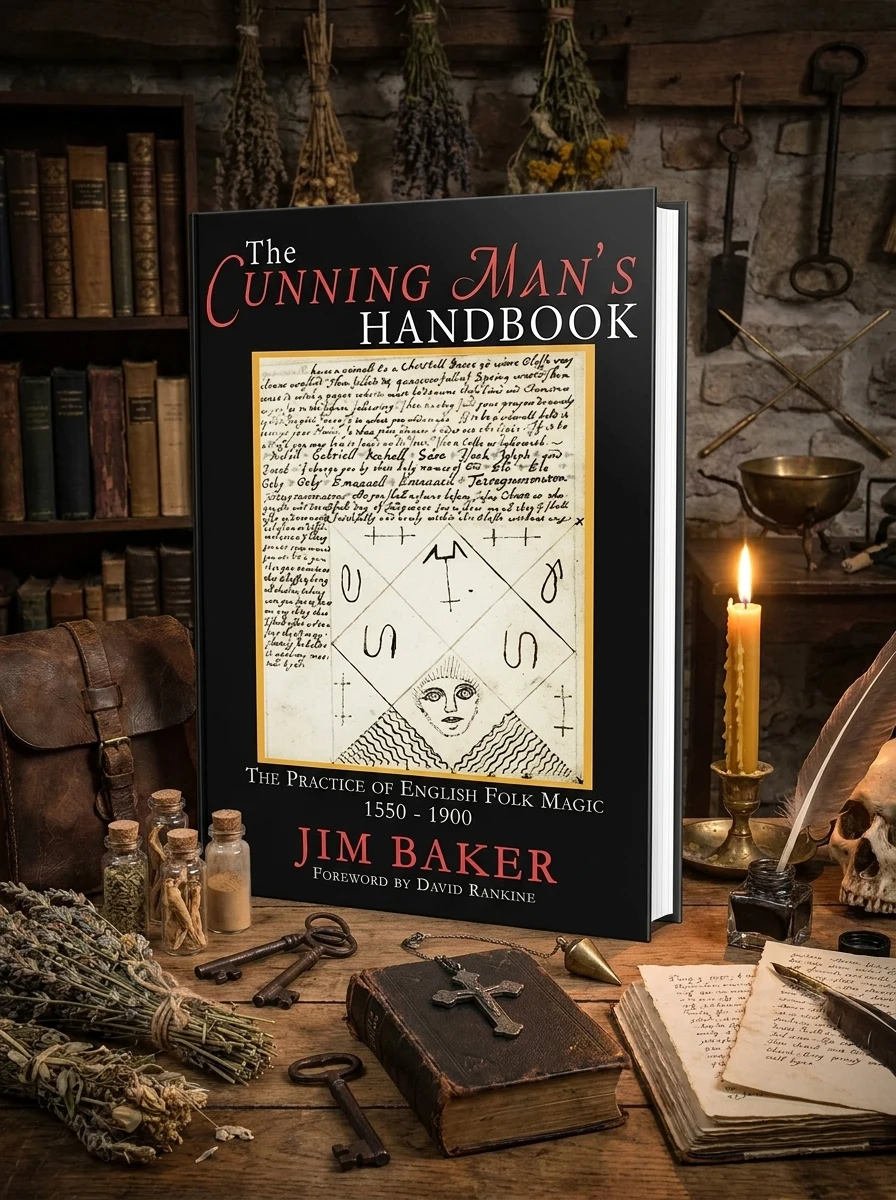
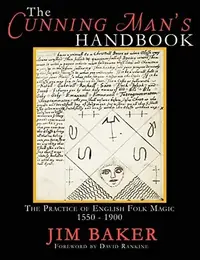
The Cunning Man's Handbook: The Practice of English Folk Magic 1550-1900
Stock reported in the catalog; fulfillment is confirmed with your request.
Uncover the hidden Christian roots of British folk magic in this definitive historical study of Cunning Folk.
Jim Baker’s monumental work dissects the lived reality of Cunning Folk from 1550 to 1900, revealing how these practitioners navigated the treacherous border between medicine and magic. Drawing from vast archival sources, the text illuminates how these healers and charmers operated within a distinctly Christian theological framework, utilizing divination, geomancy, and charms to access the preternatural. This is not merely folklore; it is a rigorous social history of those who served as intermediaries between the law and the mystical, offering a comprehensive map of their services and spiritual methodologies.
This work sits at the intersection of social history and esoteric studies, chronicling the lived reality of English Cunning Folk between 1550 and 1900. It explores how these practitioners navigated the treacherous border between medicine and magic within a distinctly Christian theological framework.


📝 Description: The Cunning Man's Handbook: The Practice of English Folk Magic 1550-1900
💎 Expert review
📖 Why choose it
Why this book is worth reading
Scholars and serious practitioners of English folk magic will find this definitive historical study invaluable for its rigorous archival depth. It offers a comprehensive map of the services provided by intermediaries between the law and the mystical, revealing how healers utilized divination, geomancy, and charms to access the preternatural. Those interested in the hidden Christian roots of British esotericism will appreciate how Baker dissects the theological framework underpinning these practices. It is essential for understanding the social history of those who operated on the border between medicine and magic, providing a nuanced view of their spiritual methodologies without reducing them to mere folklore.
⭐ Reader reviews
Reader rating
Bought this as a gift for my sister and ended up ordering a second copy for myself. The typesetting is comfortable for study, with good margins for notes. Already eyeing my next order.
Came across this title in a footnote and had to track it down. The typesetting is comfortable for study, with good margins for notes. The historical context alone makes it worth the price.
I keep coming back to this one. Solid binding, decent paper — holds up to heavy use. I'd have loved an index, but that's on the original text.
This has been on my wishlist for months. The text itself is dense but rewarding — you get out what you put in. The typesetting is comfortable for study, with good margins for notes. Shipping was quick too.
Honestly wasn't sure what to expect, but I'm impressed. The language takes some getting used to, but it becomes part of the charm.
Baker’s monumental work provides a rigorous social history of Cunning Folk from 1550 to 1900, drawing from vast archival sources. It is an impressive academic achievement that illuminates how these practitioners navigated the border between medicine and magic within a Christian theological framework. However, readers seeking practical spell-casting instructions or romanticized folklore will find this dry and unsuitable. It is a scholarly dissection of lived reality, not a grimoire. Those looking for immediate mystical application rather than historical context may feel alienated by its focus on legal and social intermediaries. It demands patience for those uninterested in the treacherous border between law and the mystical.
❓ Frequently asked questions
📖 Who should read this
Readers interested in the historical intersection of religion and magic, particularly those studying early modern British society. It appeals to scholars, practitioners of folk magic seeking historical grounding, and anyone fascinated by the social history of the occult and the lives of marginalized spiritual workers.
🎯 Key themes and symbolism
Christian Folk Magic
The book argues that Cunning practices were deeply rooted in Christian theology, not pagan remnants. It explores how practitioners used religious language and beliefs to legitimize their magical work, blending faith with folk tradition to serve their communities.
Legal and Social Boundaries
Cunning Folk operated in a liminal space, often walking the fine line between accepted community healing and illegal witchcraft. The text details how they negotiated societal pressures, legal risks, and the precarious status of being both respected healers and suspected magicians.
Practical Divination Methods
Beyond theory, the work catalogs specific techniques like astrology, geomancy, and dream interpretation. It provides a clear view of the practical tools used to uncover hidden truths, find lost items, or influence events, showcasing the technical skill required for such work.
💬 Quotes from the book
“The desire to understand magic in any specific cultural context is an intellectual puzzle not only for scholars but believers.”
“The focus here is on the practice of folk magic and divination for access to the preternatural.”
📜 Historical context
📚 Glossary
- Cunning Folk
- Geomancy
- Preternatural
📔 Questions to reflect on
- How might the concept of a 'liminal healer' apply to modern spiritual practitioners?
- In what ways do historical religious frameworks still influence contemporary folk magic practices?
- How did the fear of legal repercussions shape the secrecy and methodology of Cunning Folk?
🏛 Books from this publisher Avalonia
All books from this publisher →
You might also like
See more →

 91
91



 91
91