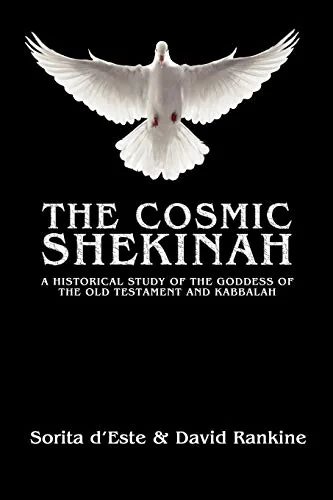
The Cosmic Shekinah: A historical study of the goddess of the Old Testament and Kabbalah
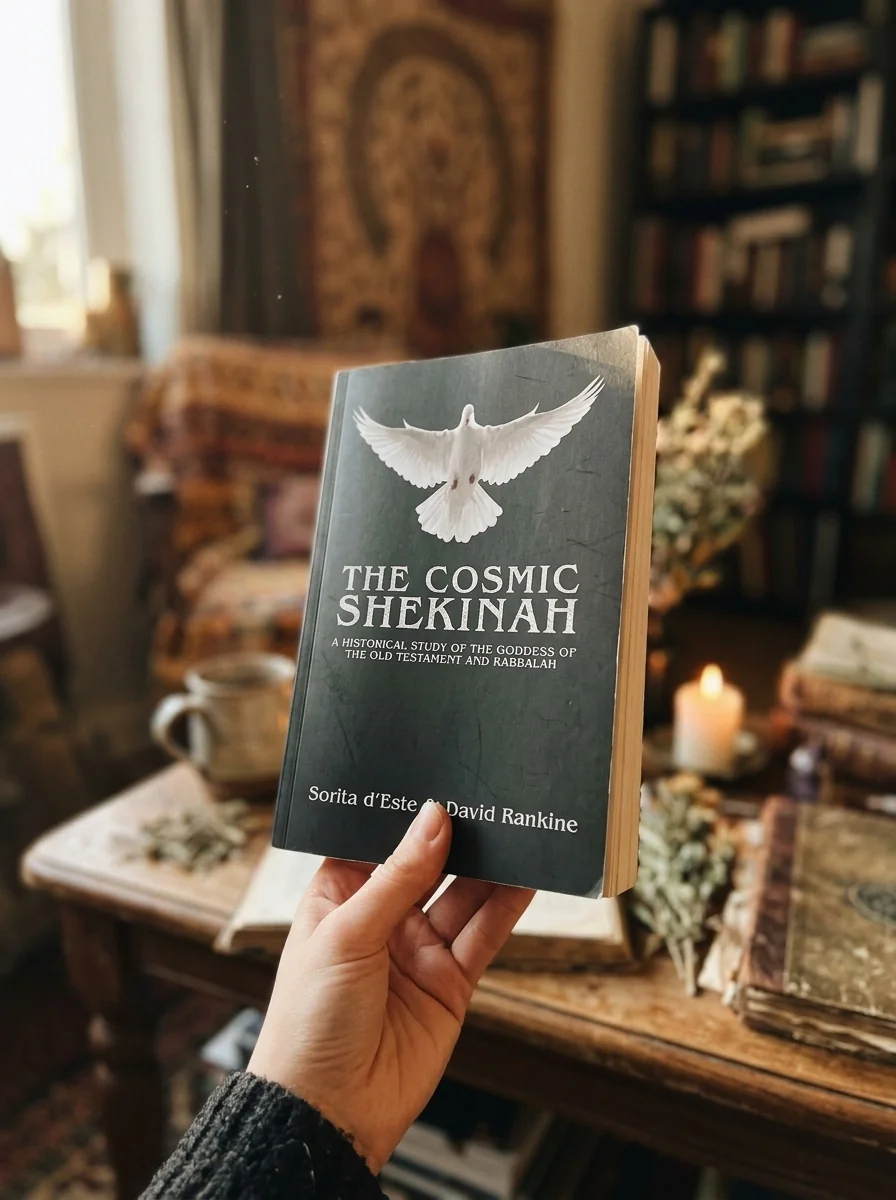
✍️ D'Este, Sorita; , Rankine, DavidThis profound study illuminates the Shekinah, the divine feminine presence in Kabbalah, the Old Testament, and Merkavah mysticism. It traces her ancient lineage from Sumerian Inanna and Egyptian Ma'at through Canaanite Asherah, revealing how these wisdom goddesses shaped the unnamed divine consort in early Jewish texts. The authors skillfully illustrate Shekinah's evolution as the World Soul, Shabbat Bride, and inspiration for Sophia, demonstrating her enduring spiritual significance across millennia and into Christian thought.


📝 Description: The Cosmic Shekinah: A historical study of the goddess of the Old Testament and Kabbalah
💎 Expert review
📖 Why choose it
Why this book is worth reading
Readers deeply interested in the hidden histories of religion and the evolution of divine archetypes will find this work invaluable. It specifically appeals to those exploring the roots of Kabbalah, Merkavah mysticism, and the feminine aspects of God within Abrahamic faiths. By tracing the lineage from Sumerian Inanna and Egyptian Ma'at through Canaanite Asherah to the Shekinah, the book offers a comprehensive view of how wisdom goddesses influenced early Jewish texts and later Christian thought on Sophia. It is essential for scholars and spiritual seekers alike who wish to understand the enduring significance of the World Soul and Shabbat Bride across millennia.
⭐ Reader reviews
Reader rating
This scholarly yet accessible study provides a rigorous examination of the Shekinah’s evolution, effectively linking ancient polytheistic roots to monotheistic mysticism. The authors skillfully map the transition from Inanna and Asherah to the divine consort in Jewish texts, offering fresh insights for those studying the World Soul or Sophia. However, readers seeking devotional guides, simple theological affirmations, or non-academic interpretations may find the historical analysis too dense or dry. It is not suited for those wishing to avoid complex mystical terminology or who prefer straightforward religious narratives over comparative mythological studies.
❓ Frequently asked questions
📖 Who should read this
If you're drawn to the divine feminine, Kabbalah, ancient mysteries, or the hidden wisdom in Abrahamic texts, this book is for you. It offers a meticulously researched, expansive view of a crucial spiritual figure, inviting you to deepen your understanding of sacred history.
🎯 Key themes and symbolism
Tracing Divine Feminine Lineage
This work meticulously charts the journey of the divine feminine, from ancient wisdom goddesses like Sumerian Inanna and Egyptian Ma'at, through Semitic and Canaanite deities, to her eventual manifestation as the unnamed Wisdom Goddess in the Old Testament. It reveals a continuous, evolving presence across cultures.
Shekinah's Multifaceted Identity
Explore the Shekinah not merely as a concept, but as a vibrant, living entity embodying countless roles. From the primordial light of creation and the World Soul, to the Shabbat Bride and mother of angels, the book unveils her diverse manifestations and profound spiritual significance within Jewish mysticism and beyond.
Cross-Cultural Wisdom Goddesses
The authors expertly connect the Shekinah to a pantheon of earlier wisdom goddesses, including Isis, Anat, and Astarte. By highlighting their shared attributes and symbolic representations, the book demonstrates how these ancient archetypes collectively contributed to the rich tapestry of the Shekinah's development and enduring power.
📜 Historical context
📚 Glossary
- Shekinah
- Kabbalah
- Merkavah Mysticism
📔 Questions to reflect on
- How does understanding the historical lineage of the divine feminine, as presented in this book, alter your perception of traditional religious narratives?
- Considering the Shekinah's various manifestations (World Soul, Shabbat Bride, etc.), which aspect resonates most deeply with your personal spiritual experience, and why?
- Reflect on the idea of an 'unnamed Wisdom Goddess' within ancient texts. What might be the significance of her anonymity, and how does this book give her voice?