Science of the Kabbalah
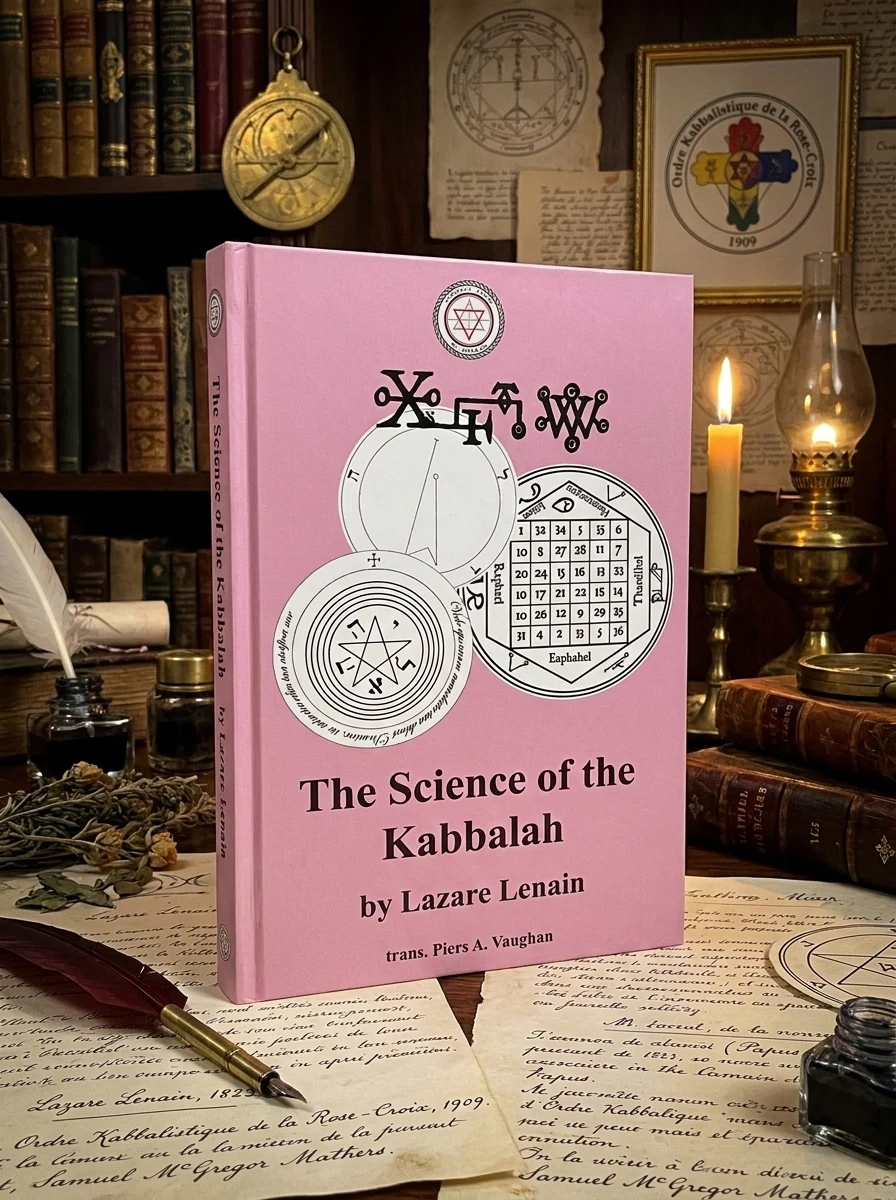
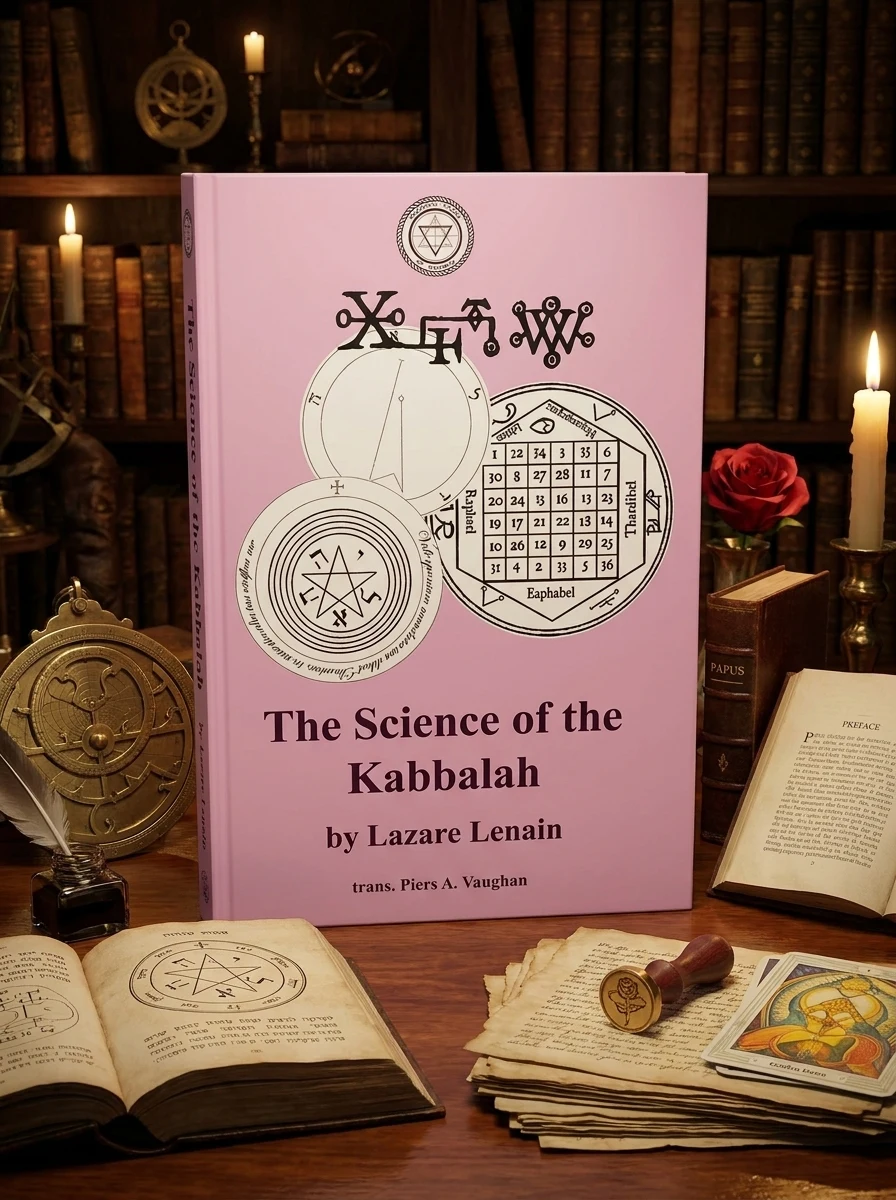
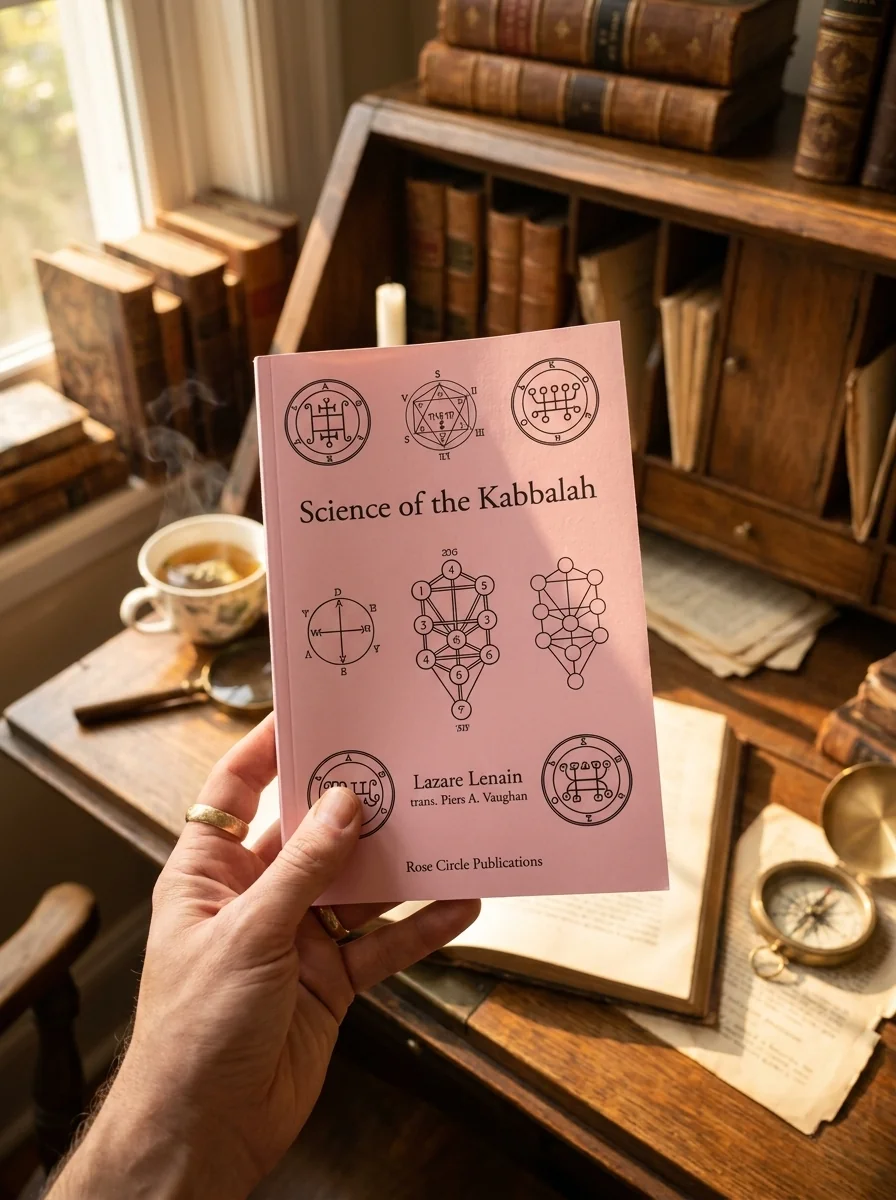
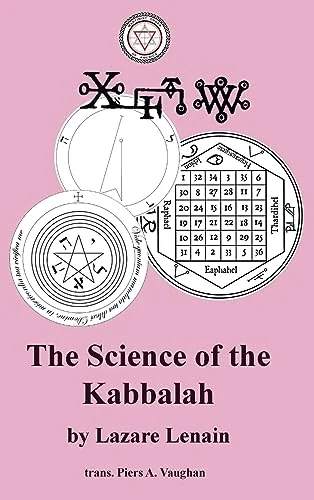
First published in 1823, Lazare Lenain's "Science of the Kabbalah, or the Art of Knowing the Good Geniuses" is an essential treatise on the Shemhamephorash, the explicit name of God. This seminal work, now available in English for the first time, delves into the power of numbers and sacred delta in understanding the divine. Reintroduced to a new generation by Papus in 1909, it profoundly influenced key figures in modern esotericism, including Samuel McGregor Mathers of the Golden Dawn and Robert Ambelain, making it a foundational text for anyone exploring the intellectual roots of Western magic.


📝 Description: Science of the Kabbalah
💎 Expert review
📖 Why choose it
Why this book is worth reading
Readers deeply invested in the intellectual architecture of Western magic will find this volume indispensable. It offers a rare opportunity to access the primary source material that shaped the thought of key figures like Mathers and Ambelain. By exploring the explicit name of God and the power of sacred numbers, practitioners can understand the benevolent magic and divine names that underpin modern esoteric practices. This book is not for casual browsing but for those seeking the rigorous, scholarly approach to Kabbalah that defined an era of occult revival. It provides the necessary context for understanding how 19th-century masters conceptualized the connection between language, numerology, and spiritual power.
⭐ Reader reviews
Reader rating
This treatise is a significant historical artifact for serious students of esotericism, offering insight into the Shemhamephorash and divine nomenclature. However, it is strictly an academic and magical manual rather than a narrative or introductory guide. It will likely frustrate readers looking for accessible explanations or practical spellcasting steps without prior knowledge of Kabbalistic theory. Those unfamiliar with the specific terminology of 19th-century French occultism may find the dense theoretical framework impenetrable. It is best suited for those who already grasp the basics of Western magic and wish to trace its lineage back to its seminal, albeit complex, origins in divine science and numerical analysis.
❓ Frequently asked questions
📖 Who should read this
If you are a serious student of Kabbalah, a seeker interested in the historical and intellectual foundations of magic, or someone who appreciates the rigorous thought behind esoteric traditions, Lenain's work offers unparalleled insights into the "good geniuses" and the divine name.
🎯 Key themes and symbolism
Divine Nomenclature
Lenain meticulously explores the Shemhamephorash, the sacred Name of God, offering a deep analysis of its numerical properties and the symbolic significance of the holy delta. This foundational Kabbalistic concept is presented as a key to understanding the subtle forces of the universe, moving beyond mere superstition to a scientific approach.
Demystifying Magic
At its heart, Lenain's work aims to dispel common misconceptions surrounding magic. He argues that magic, when correctly understood, is not something to be feared or 'demonized' by ignorance, but rather a profound art rooted in knowledge and principle. This perspective encourages an enlightened, scholarly approach to esoteric practices.
Esoteric Lineage
The enduring legacy of Lenain's text is evident in its profound impact on subsequent occult movements. Its republication by Papus, Grand Master of the Ordre Kabbalistique de la Rose-Croix, and its inspiration for figures like Mathers of the Hermetic Order of the Golden Dawn, solidify its place as a cornerstone in the history of Western esotericism.
📜 Historical context
📚 Glossary
- Shemhamephorash
- Kabbalah
- Papus
📔 Questions to reflect on
- Considering Lenain's aim to demystify magic, what aspects of spirituality or esotericism do you believe are most misunderstood or 'demonized' by contemporary society?
- How might a deeper understanding of divine names and numbers, as presented in Kabbalah, alter your perception of reality or your personal spiritual practice?
- Reflect on the idea of 'good geniuses.' What role do benevolent spiritual forces play in your worldview, and how do you seek to connect with them?