Kabbalah: The Tree of Life
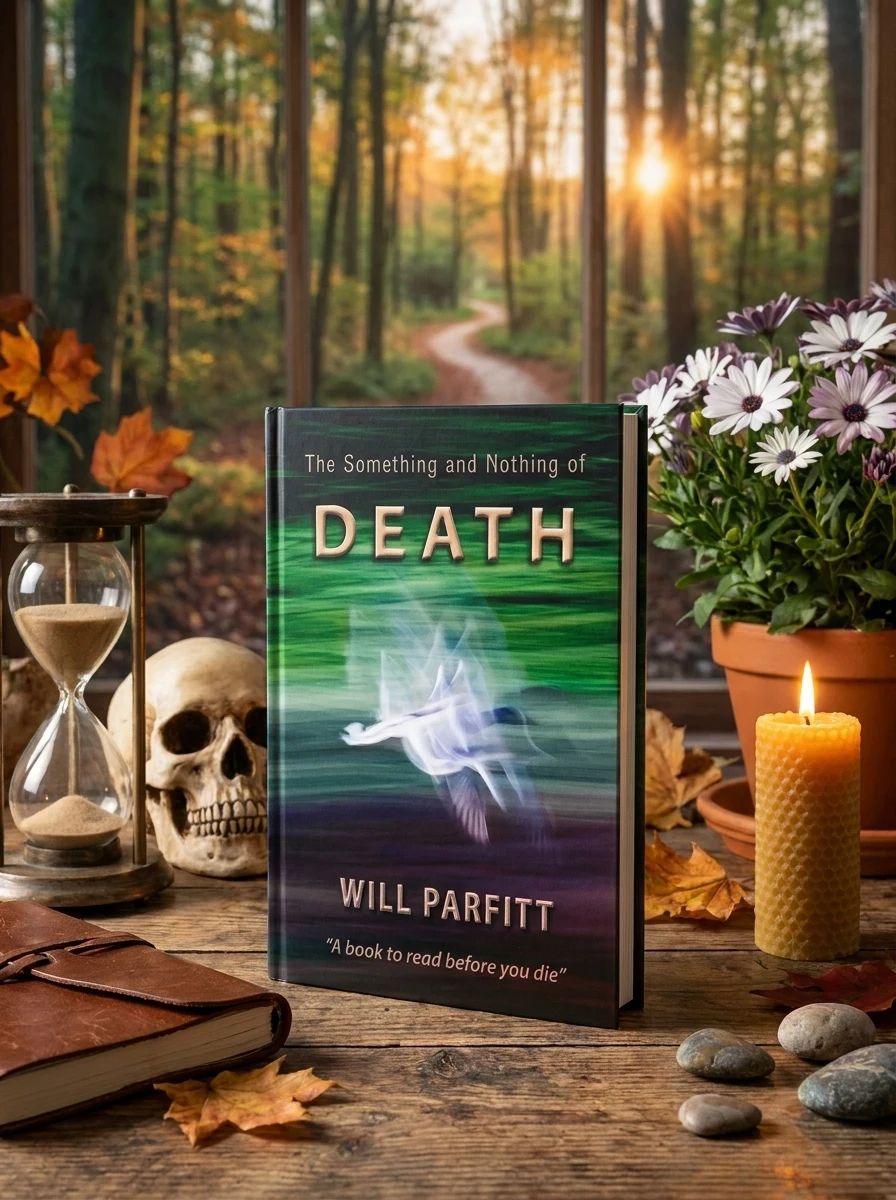
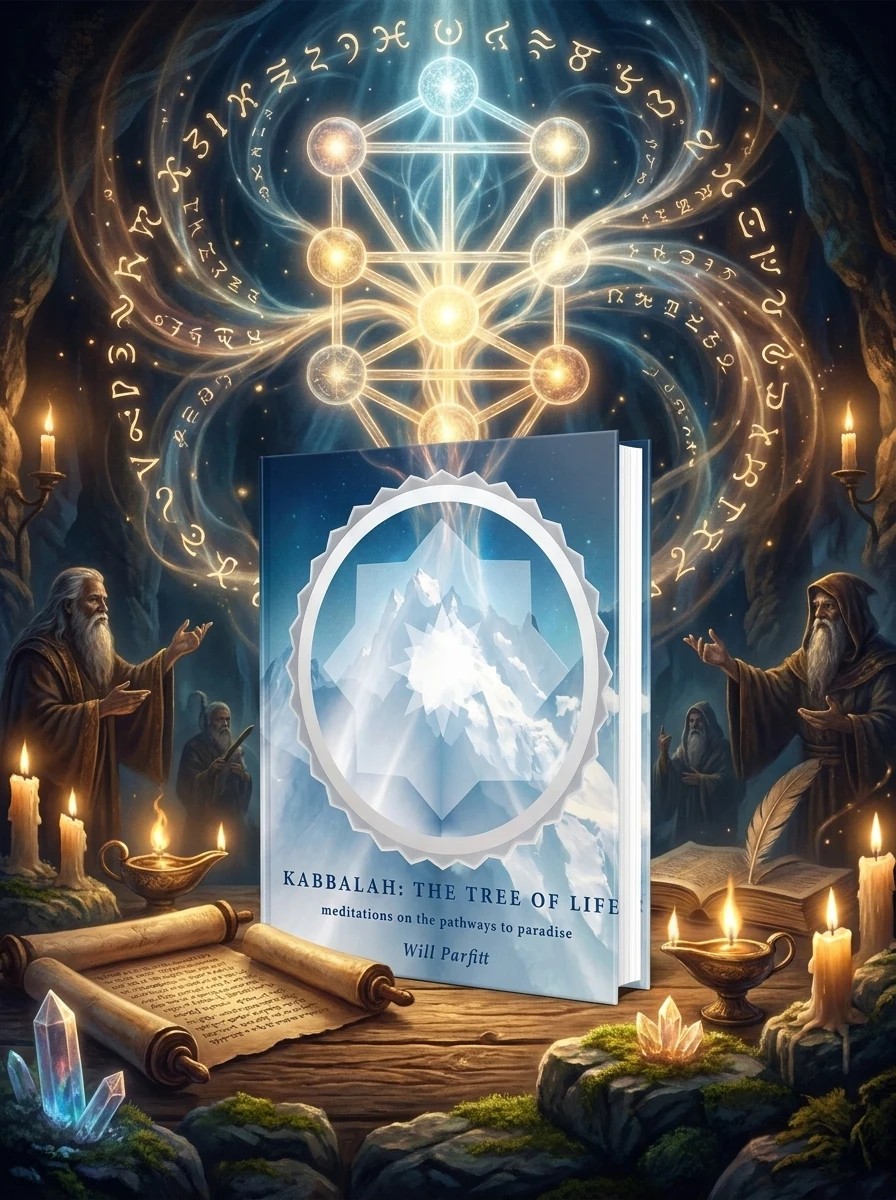
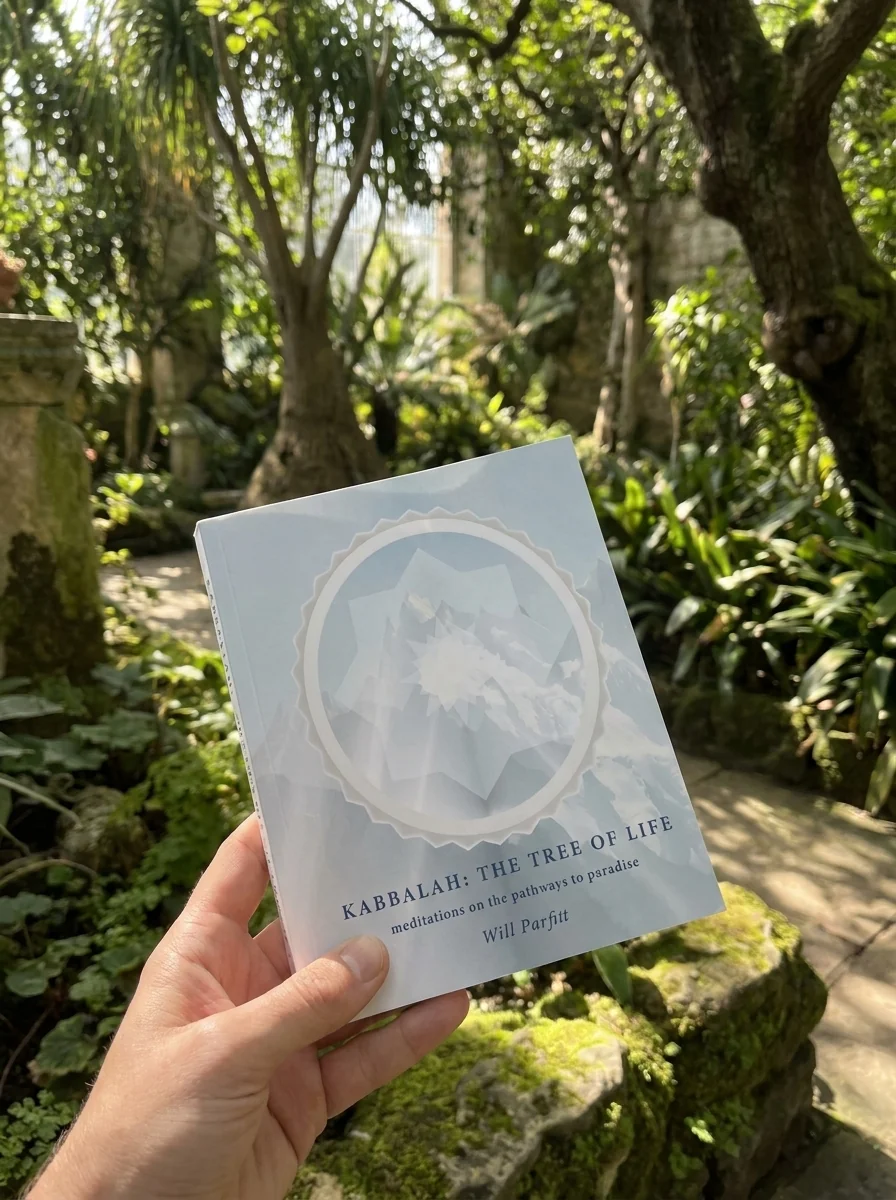
✍️ Parfitt, WillWill Parfitt masterfully reintroduces the ancient, inductive methods of conveying Kabbalistic wisdom. Moving beyond mere intellectual understanding, this work utilizes powerful, evocative imagery and narrative to breathe life into the spheres and pathways of the Tree of Life. Readers are invited into a profound, non-linear engagement, where spiritual concepts are intuitively grasped rather than rationally dissected. It’s an approach designed to foster deep, personal connection with these timeless esoteric teachings, transforming abstract diagrams into vibrant, internal landscapes of consciousness.


📝 Description: Kabbalah: The Tree of Life
💎 Expert review
📖 Why choose it
Why this book is worth reading
Readers seeking a profound, personal connection to Kabbalistic wisdom will find this book invaluable. It is ideal for those who feel stifled by dry, intellectual dissections of spiritual concepts and crave an immersive experience. By utilizing powerful imagery and narrative, Parfitt breathes life into the abstract spheres and pathways of the Tree of Life. This approach allows for a non-linear engagement where wisdom is intuitively grasped rather than rationally analyzed. It transforms internal landscapes of consciousness, making timeless esoteric teachings accessible and vibrant for anyone ready to move beyond mere understanding into deep spiritual resonance.
⭐ Reader reviews
Reader rating
Will Parfitt’s work offers a refreshing departure from traditional Kabbalistic scholarship by prioritizing evocative imagery and narrative flow. It successfully reintroduces inductive methods that foster deep, personal connection with the Tree of Life. However, readers expecting rigorous academic analysis or systematic theological instruction may find it lacking in structural detail. The book is not suited for those who prefer rational dissection over intuitive engagement. While it excels at creating a living, breathing spiritual landscape, its non-linear nature might frustrate seekers looking for clear, step-by-step doctrinal guidance. It is a beautiful, atmospheric guide rather than a textbook.
❓ Frequently asked questions
📖 Who should read this
If you yearn for an intuitive, deeply felt understanding of Kabbalah, rather than a purely academic one, this book is for you. Seekers ready to engage with ancient wisdom through imagination and personal resonance will find a transformative path.
🎯 Key themes and symbolism
Oral Tradition Reimagined
This book delves into the foundational teaching style of Kabbalah, emphasizing how ancient wisdom was transmitted through storytelling and vivid mental pictures. It reconstructs these inductive methods, allowing complex esoteric ideas to unfold organically within the reader's consciousness, mirroring the way teachings were once passed down from master to student over generations.
Experiential Mysticism
Rather than presenting Kabbalah as a dry academic subject, Parfitt's work invites a direct, felt experience of its principles. Through rich imagery and narrative, the abstract Sefirot and paths transform into tangible spiritual realities, fostering a personal, non-rational connection to the Tree of Life. It's about feeling the wisdom, not just thinking about it.
Non-Linear Understanding
The book champions an intuitive and holistic approach to esoteric knowledge, sidestepping purely logical or sequential learning. It encourages the reader to embrace a fluid, imaginative engagement with the Tree of Life, allowing its profound insights to resonate on deeper levels of being, bypassing the limitations of conventional intellectual analysis for a more direct apprehension of truth.
📜 Historical context
📚 Glossary
- Kabbalah
- Tree of Life
- Sefirot
📔 Questions to reflect on
- Reflect on a personal experience where an image or story communicated a profound truth more effectively than a logical explanation. How does this relate to the "Tree of Life" as presented?
- Choose one Sefirah (e.g., Kether, Tiphareth, Malkuth) and describe it using only sensory details and emotional associations, avoiding intellectual definitions. What does this reveal to you?
- Consider a challenge you are currently facing. How might viewing it through the lens of a "path" or "sphere" on the Tree of Life offer a new perspective or a different approach?