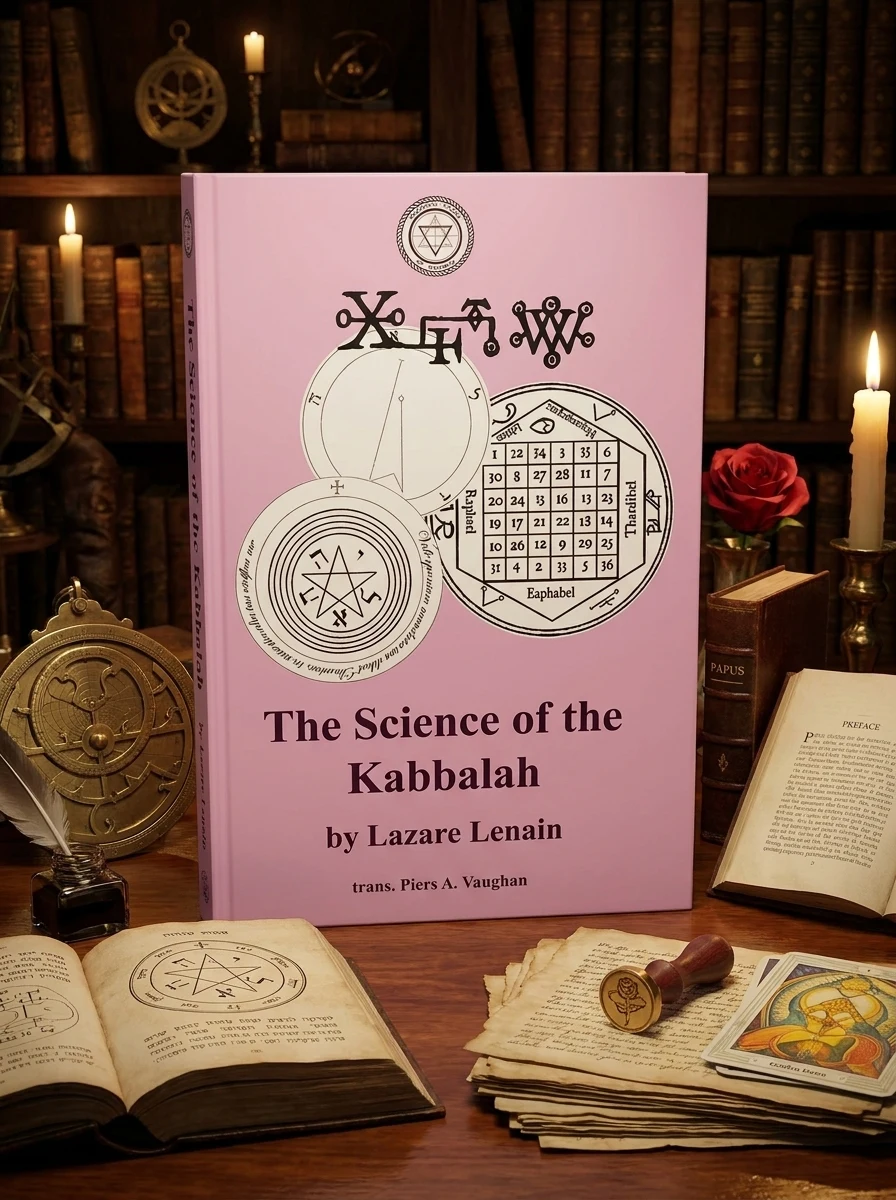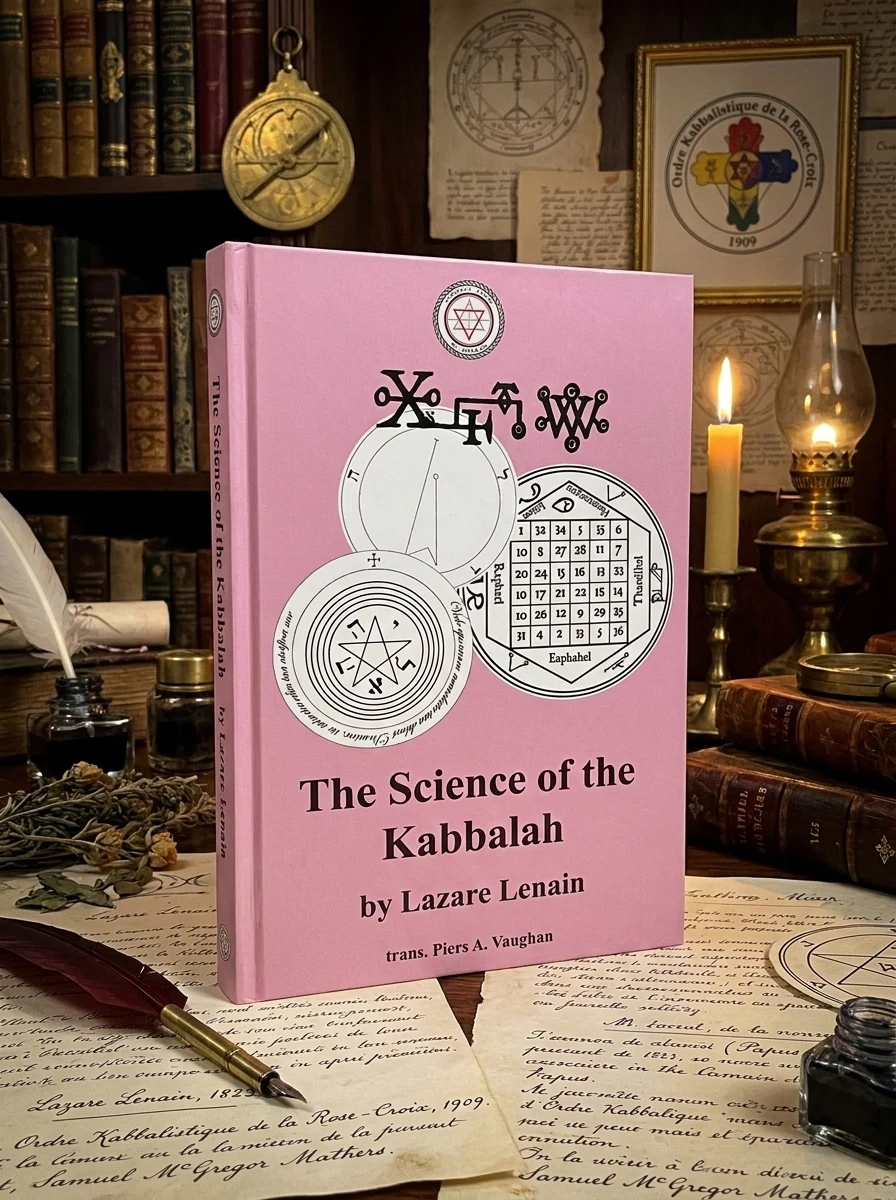
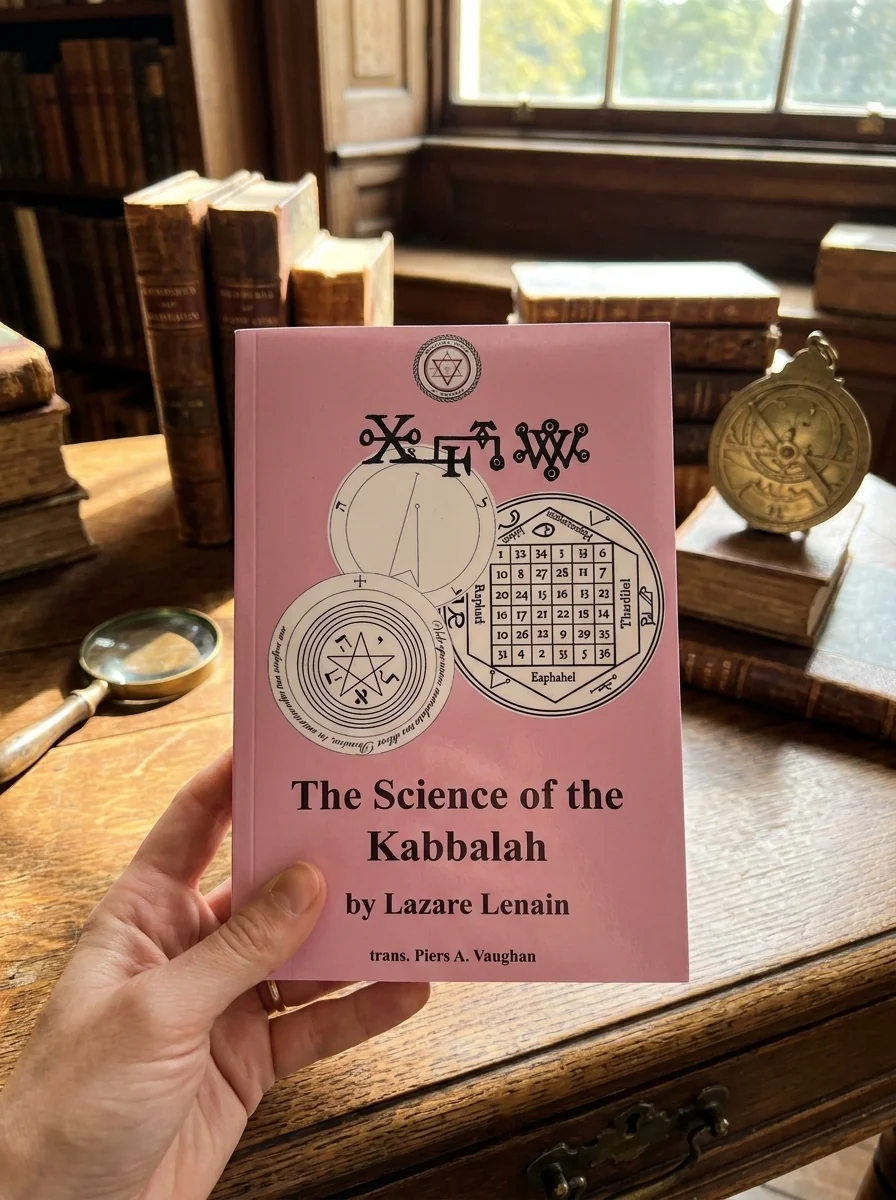
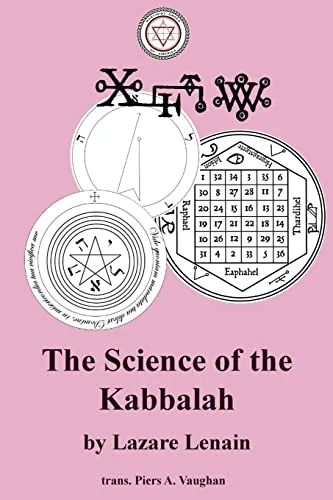
The Science of the Kabbalah
The first English translation of Lazare Lenain's 1823 treatise on the Shemhamephorash and angelic Kabbalah.
Lazare Lenain's 1823 volume brings historical rigor to nineteenth-century French occultism by examining the 72-lettered Name of God. Drawing from verses in the Book of Exodus, Lenain breaks down the twenty-two Hebrew letters and demonstrates how three-letter combinations form 72 distinct angelic geniuses associated with the circle of eternity. The work details numerical symbolism, the sacred delta, and practical identification of life-ruling Geniuses. Preserved and championed by Papus in 1909, it forms a direct historical bridge to the Hermetic Order of the Golden Dawn and the Ordre Martiniste.
Written in 1823, this text emerged during the nineteenth-century French esoteric revival. Reissued in 1909 by Papus for the Ordre Kabbalistique de la Rose-Croix, it directly influenced the Hermetic Order of the Golden Dawn and the Ordre Martiniste.


📝 Description: The Science of the Kabbalah
💎 Expert review
📖 Why choose it
Why this book is worth reading
Scholars of Western esotericism and dedicated practitioners of Kabbalah will find this volume indispensable for its historical significance and theoretical depth. By offering the first English insight into the Shemhamephorash, Lenain provides a crucial key to deciphering sacred names and numerology. Readers seeking to dispel misconceptions about magic and understand its true essence will appreciate this cornerstone text. It is essential for those tracing the lineage of esoteric thought through influential figures like Papus and Mathers, offering a rigorous yet illuminating exploration of divine power and mystical tradition.
⭐ Reader reviews
Reader rating
Lenain’s work is an undeniable historical cornerstone, vital for understanding the evolution of Western occultism and its impact on masters like Ambelain. However, it is strictly for those interested in esoteric history and theoretical Kabbalah. It does not suit casual readers seeking practical spell-casting instructions or modern pop-occult interpretations. The dense focus on sacred names and numerology requires patience and a specific scholarly interest. While historically profound, its value lies in its role as a primary source for researchers rather than a beginner’s guide to everyday magic.
❓ Frequently asked questions
📖 Who should read this
For anyone drawn to the profound mysteries of Kabbalah, the true nature of magic, or the historical currents of Western esotericism, this foundational text is indispensable. Delve into its pages to uncover the sophisticated science behind ancient wisdom, and gain a richer understanding of a pivotal esoteric tradition.
🎯 Key themes and symbolism
Unveiling Divine Names
This work meticulously explores the Shemhamephorash, the extended name of God derived from Exodus. Lenain meticulously analyzes its structure and power, linking it to divine manifestation and the very fabric of creation, offering a key to deeper mystical understanding. He reveals how these sacred names are not mere words but conduits to universal forces.
The Art of True Magic
Lenain challenges prevailing superstitions by defining magic as a precise science, an art of understanding universal principles rather than dark practices. He champions rational inquiry, asserting that true magical practice stems from knowledge, not blind belief or fear, aiming to elevate public perception and correct historical misinterpretations of the art.
Numerology and Sacred Geometry
The author integrates the power of numbers and the sacred delta into his analysis of divine names. He demonstrates how these ancient mathematical and symbolic systems underpin the structure of reality and the efficacy of Kabbalistic practices, revealing hidden patterns and correspondences that connect the mundane with the divine, offering a framework for cosmic understanding.
📜 Historical context
📚 Glossary
- Kabbalah
- Shemhamephorash
- Papus
📔 Questions to reflect on
- How might modern society benefit from Lenain's assertion that "ignorance demonizes everything it doesn't understand"? Consider an area where this rings true today.
- Reflect on the concept of a "science of Kabbalah." What implications does this title suggest for the study of mysticism and spirituality, and how does it challenge conventional views?
- If numbers and divine names hold profound power, as Lenain suggests, how might this perspective shift your understanding of language, symbols, and the underlying order of the universe?