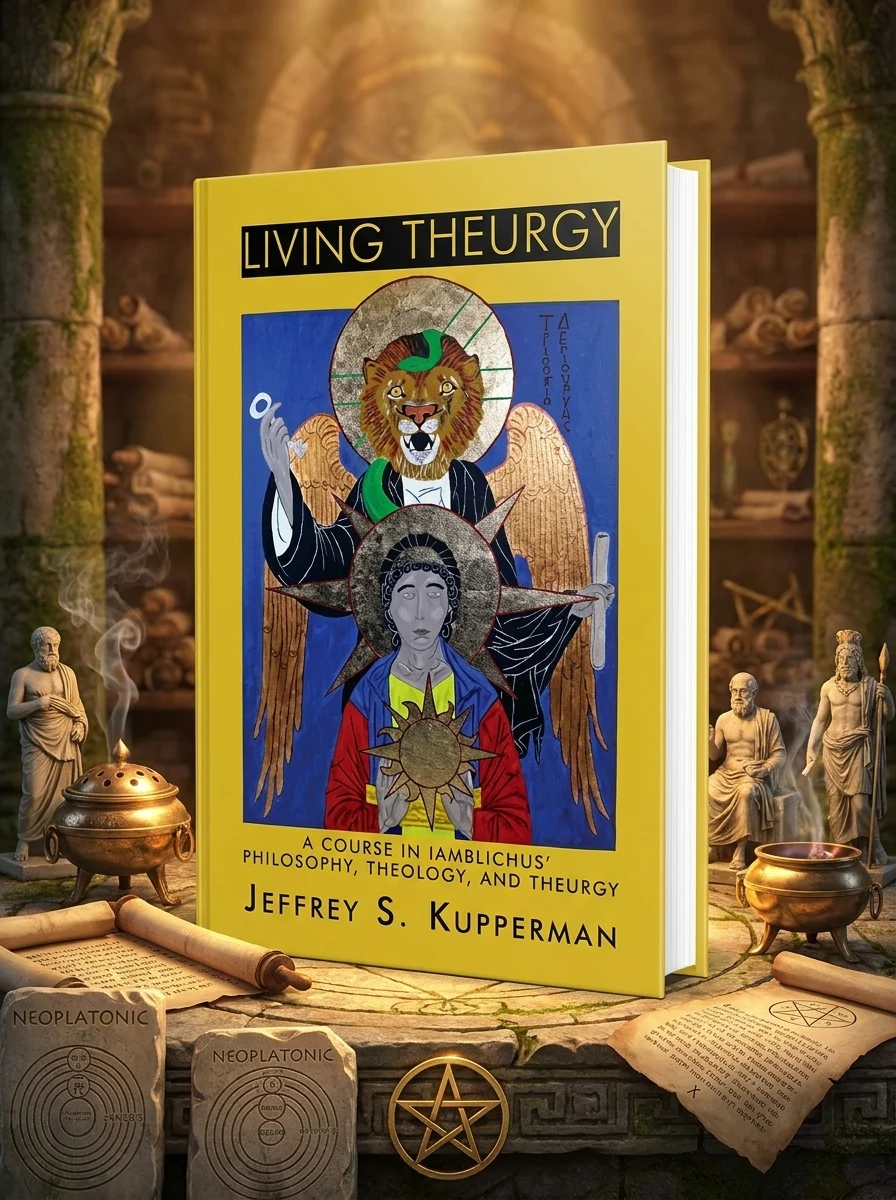
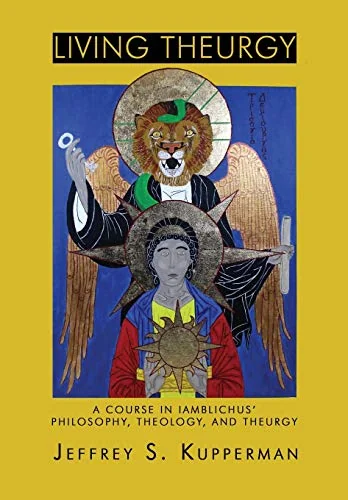
Living Theurgy: A Course in Iamblichus' Philosophy, Theology and Theurgy
A practical guide to Neoplatonic ritual, theology, and theurgy based on the system of Iamblichus.
Jeffrey S Kupperman presents a rigorous study of Neoplatonic god-working through the teachings of Iamblichus and related classical thinkers, drawing on over a thousand years of Platonic development including the writings of Plato, Aristotle, Pythagoras, and Julian the Chaldean. Organized into three distinct sections—Philosophia, Theologia, and Theourgia—the volume bridges historical theory and operational practice, offering a clear guide to traditional Western magic and ancient pagan theology.
The book examines a tradition spanning more than 1000 years of Platonic philosophy and cultural transformations. It sits within classical Mediterranean theology, drawing directly from the heritage of ancient Greek philosophers and Chaldean spiritual traditions.


📝 Description: Living Theurgy: A Course in Iamblichus' Philosophy, Theology and Theurgy
💎 Expert review
📖 Why choose it
Why this book is worth reading
This book is ideal for serious practitioners seeking to bridge the gap between dense academic theory and tangible spiritual practice. Readers who feel that standard Wiccan paths lack sufficient metaphysical depth will find profound value in Kupperman's exploration of Theurgy. It serves those eager to understand the historical evolution of divine connection from Platonic roots, offering a structured pathway for personal transformation. If you are a scholar or initiate tired of superficial occultism and crave rigorous theological grounding combined with actionable 'god-working' techniques, this text provides the essential framework for deepening your spiritual discipline and achieving genuine esoteric maturity.
⭐ Reader reviews
Reader rating
Kupperman delivers a masterful synthesis of Iamblichian thought, making complex Neoplatonic theology accessible without sacrificing academic integrity. The guide effectively unpacks historical developments to offer practical tools for contemporary seekers. However, it is not suited for casual readers or those seeking immediate, low-effort ritual instructions. Beginners in occultism may find the philosophical density daunting, while those uninterested in rigorous theological study will likely feel alienated by the intellectual demands. It is a specialized resource for dedicated students of esoteric history who are prepared to engage with challenging material to unlock ancient secrets for divine connection.
❓ Frequently asked questions
📖 Who should read this
If you're drawn to ancient systems of spiritual development, particularly Neoplatonism, and seek a practical approach to profound personal transformation, this book is essential. It's ideal for those ready to engage with philosophical depth and ritual practice to connect with the divine.
🎯 Key themes and symbolism
Philosophical Roots of Theurgy
This book illuminates how philosophical inquiry, including techniques akin to 'divine reading' and visualization, forms the bedrock of theurgical practice. It delves into core ethical and metaphysical concepts like virtue, wisdom, justice, and love, demonstrating their integral role in preparing the practitioner for deeper spiritual engagement.
Divine Nature and Connection
Explore the Neoplatonic conception of "The One" or "The Good" as the ultimate source of all existence. The text examines the divine hierarchy through the lens of monotheistic, polytheistic, and panentheistic perspectives, offering a rich framework for understanding the practitioner's relationship with the divine.
Ritual for Spiritual Ascent
Discover the practical, ritualistic dimension of Theurgy, known as "god-working." Kupperman elucidates the specific mystical practices and contemplations employed by Neoplatonists to effect genuine spiritual transformation, bridging the gap between abstract philosophy and tangible, transformative experience.
📜 Historical context
📚 Glossary
- Theurgy
- Neoplatonism
- Lectio Divina
📔 Questions to reflect on
- How can I integrate philosophical principles such as virtue or wisdom into my daily spiritual practice or personal growth journey?
- Reflect on the concept of "The One" or "The Good" as the ultimate source. How does this resonate with or challenge your current understanding of the divine?
- Consider a specific ritual or contemplative practice you currently use. How might a deeper philosophical or theological understanding enhance its transformative power?