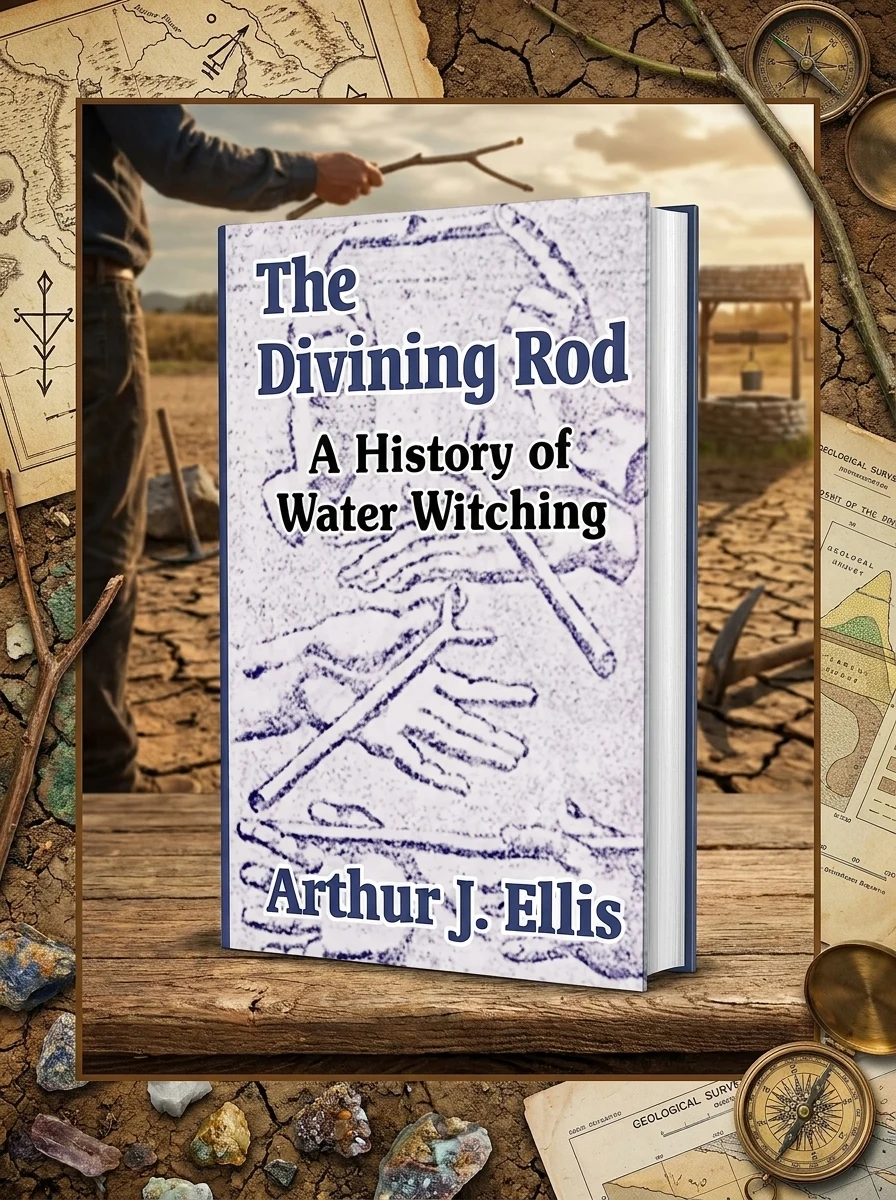
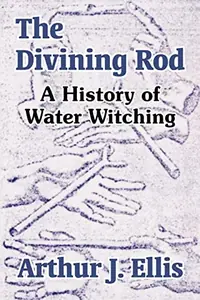
The Divining Rod: A History of Water Witching
Stock reported in the catalog; fulfillment is confirmed with your request.
Uncover the strange, enduring history of the mysterious divining rod.
Arthur J. Ellis meticulously traces the historical trajectory of the divining rod, from its emergence in the mid-sixteenth century to its continued grip on popular belief today. This concise yet comprehensive work delves into the various applications of dowsing—from locating minerals and buried treasures to detecting water sources—and explores the persistent public fascination that prompts countless inquiries even from official bodies. Ellis aims not to propagate the mystical but to offer a clear, historical response to those seeking understanding of this curious practice, often highlighting its practical limitations.
This text sits at the intersection of historical inquiry and esoteric practice, documenting the evolution of dowsing within Western occultism. It serves as an academic bridge between folk magic traditions and the rationalist skepticism that often accompanies them.


📝 Description: The Divining Rod: A History of Water Witching
💎 Expert review
📖 Why choose it
Why this book is worth reading
Readers fascinated by the intersection of folklore and history will find this volume an essential guide to understanding the enduring allure of water witching. Ellis provides a clear, non-mystical framework for those curious about why this practice has persisted from the sixteenth century to the present day. It is particularly valuable for skeptics or historians who wish to comprehend the public's persistent belief in dowsing without being drawn into its supernatural claims. By highlighting practical limitations and historical context, the book offers a grounded perspective on a subject often shrouded in mystery. It serves as a perfect entry point for anyone seeking to demystify the divining rod while respecting its significant cultural footprint.
⭐ Reader reviews
Reader rating
Ellis delivers a concise, historically grounded account that strips away much of the mystique surrounding dowsing. While it succeeds in providing a clear, rational response to inquiries from official bodies and curious public alike, it may disappoint those seeking validation of supernatural powers or practical instruction on how to become a successful dowser. The book explicitly avoids propagating mystical beliefs, focusing instead on limitations and history. Consequently, avid practitioners expecting esoteric secrets or empirical proof of efficacy will likely find the tone dry and dismissive. It is best suited for historians and skeptics rather than devotees.
❓ Frequently asked questions
📖 Who should read this
If you're fascinated by the intersection of folklore, historical curiosities, and the human inclination toward unexplained phenomena, this book is for you. It appeals to readers interested in the critical examination of popular beliefs and the history of esoteric practices, offering a grounded perspective.
🎯 Key themes and symbolism
Ancient Divination Methods
The book chronicles the use of the divining rod across centuries, illustrating how this seemingly simple practice of using a forked twig has captivated human imagination for various purposes, from finding precious metals to detecting criminals. It explores the evolution of these methods through time.
Popular Belief vs. Science
Ellis highlights the striking dichotomy between the enduring popular belief in water witching and the skeptical inquiries it consistently draws from scientific bodies like the United States Geological Survey. The text examines why such 'superstitions' maintain their hold on the public consciousness despite rational challenges.
Historical Skepticism
Rather than endorsing the efficacy of dowsing, this work presents a historical overview designed to inform and, for many, to reveal the lack of practical utility in the divining rod's applications. It serves as a historical counterpoint to the vast literature that often champions its powers.
💬 Quotes from the book
“The persistent hold of a forked twig over popular imagination, from locating lost treasures to finding water, showcases a fascinating aspect of human credulity and hope.”
“This work aims not to inflate the 'uncanny literature' surrounding dowsing, but to offer a straightforward historical reply to the countless earnest inquiries into its alleged powers.”
📜 Historical context
📚 Glossary
- Divining Rod
- Water Witching
- Dowsing
📔 Questions to reflect on
- Reflect on a time you encountered a belief or practice that defied conventional scientific explanation. How did you reconcile your personal experience or skepticism with popular sentiment?
- Considering the long history of the divining rod, what does its enduring appeal tell us about human psychology, our relationship with nature, or our desire for hidden knowledge?
- How do you differentiate between 'superstition' and legitimate intuitive or esoteric practices? Where would you place dowsing on that spectrum, and why?
🏛 Books from this publisher University Press of the Pacific
All books from this publisher →
You might also like
See more →


 91
91