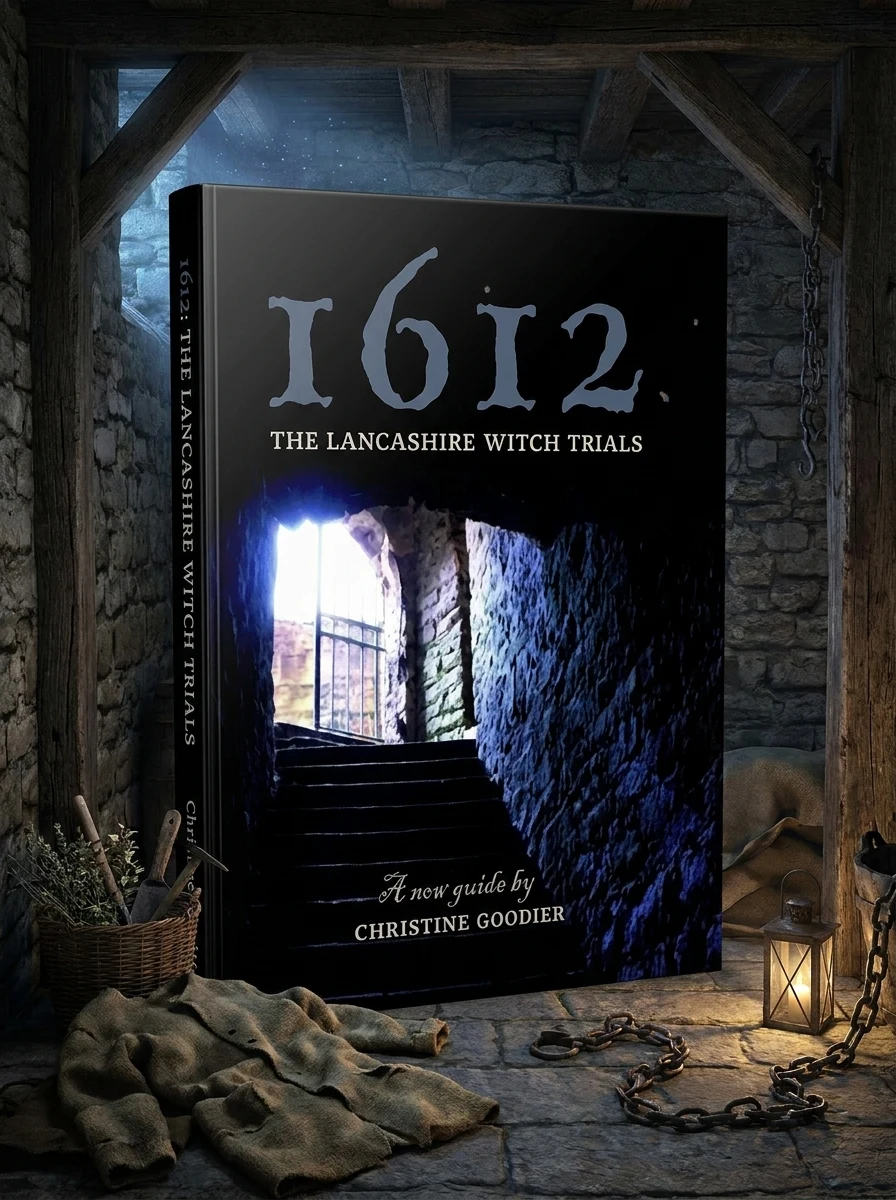

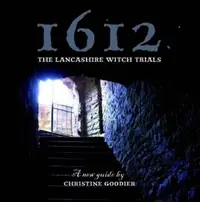
1612: The Lancashire Witch Trials: A New Guide
This edition can be ordered. No arrival date is confirmed.
Uncover the human tragedy behind England's most infamous witch trials.
Christine Goodier's compelling study offers a fresh perspective on the notorious Lancashire Witch Trials of 1612. Eschewing sensationalism, she meticulously profiles the individuals involved, both accusers and accused, presenting a human-centered narrative. Goodier powerfully argues that those condemned were not malevolent sorcerers but vulnerable, often impoverished individuals, victims of fear, superstition, and societal prejudice. This accessible guide illuminates the profound injustice committed four centuries ago, repositioning the accused as flesh-and-blood people caught in a devastating historical maelstrom.
This work situates itself within the rigorous historiography of early modern English legal proceedings and social history, moving beyond folklore to examine the specific socio-political climate of seventeenth-century Lancashire.


📝 Description: 1612: The Lancashire Witch Trials: A New Guide
💎 Expert review
📖 Why choose it
Why this book is worth reading
Readers seeking a compassionate and historically grounded understanding of the Lancashire Witch Trials of 1612 will find this guide invaluable. It is particularly suitable for those interested in social justice, legal history, or the lived experiences of marginalized communities during the early modern period. By focusing on the human tragedy rather than sensationalist myths, the book offers a respectful reclamation of the accused’s identities. It appeals to anyone who wishes to look past the caricature of the 'witch' to see the vulnerable, impoverished individuals caught in a web of fear and prejudice. This accessible narrative provides closure and context, making it an essential read for history enthusiasts and those concerned with the intersection of religion, law, and social class.
⭐ Reader reviews
Reader rating
Goodier delivers a compelling, human-centered account that successfully strips away centuries of sensationalism to reveal the stark reality of the 1612 trials. Her meticulous profiling of accusers and accused alike offers a refreshing, scholarly perspective grounded in empathy rather than myth. However, readers seeking graphic depictions of magical practice or supernatural folklore will find little here, as the text deliberately eschews such elements for historical accuracy. Those preferring fast-paced adventure over nuanced social analysis may find the focus on societal prejudice and legal injustice somewhat dry. It is a serious work of historical recovery, not entertainment.
❓ Frequently asked questions
📖 Who should read this
If you're drawn to historical true crime, the social history of early modern England, or the study of human injustice, this book is for you. It offers a vital, accessible lens through which to understand a dark chapter in European history.
🎯 Key themes and symbolism
Humanity of the Accused
This book profoundly re-centers the narrative on the individuals accused of witchcraft, stripping away supernatural mystique. Goodier portrays them not as demonic figures but as ordinary, often marginalized people—flesh and blood, poor, and uneducated—whose circumstances made them susceptible to accusations in a climate of fear and ignorance, highlighting the sheer human cost.
The Injustice of 1612
Goodier meticulously reconstructs the events of 1612, emphasizing the profound miscarriage of justice that occurred. She details how societal pressures, economic hardship, and superstitious beliefs converged to condemn innocent people, leading to their infamous conviction and execution. The work serves as a stark reminder of historical wrongs and the dangers of mass hysteria.
Deconstructing the Trials
Far from a simple recounting, this guide offers an insightful re-examination of the trials themselves. Goodier provides an engaging analysis of the proceedings, the motivations behind the accusations, and the social dynamics at play. She sheds light on the mechanisms through which ordinary people became entangled in such devastating legal processes, offering a nuanced understanding.
💬 Quotes from the book
“The true horror of 1612 wasn't supernatural, but the very human capacity for fear, accusation, and profound misunderstanding.”
“Beneath the sensational headlines of demonic pacts lay the stark reality of desperate poverty and societal vulnerability.”
📜 Historical context
📚 Glossary
- Witch Trials
- Pendle Witches
- Miscarriage of Justice
📔 Questions to reflect on
- How does understanding the human vulnerability of the accused in 1612 alter your perception of historical witch trials?
- Consider how societal fear and lack of education, as presented in this book, might still influence justice systems today.
- Reflect on the power of narrative: how does re-framing historical events from a human perspective change their impact?
You might also like
See more →


 91
91