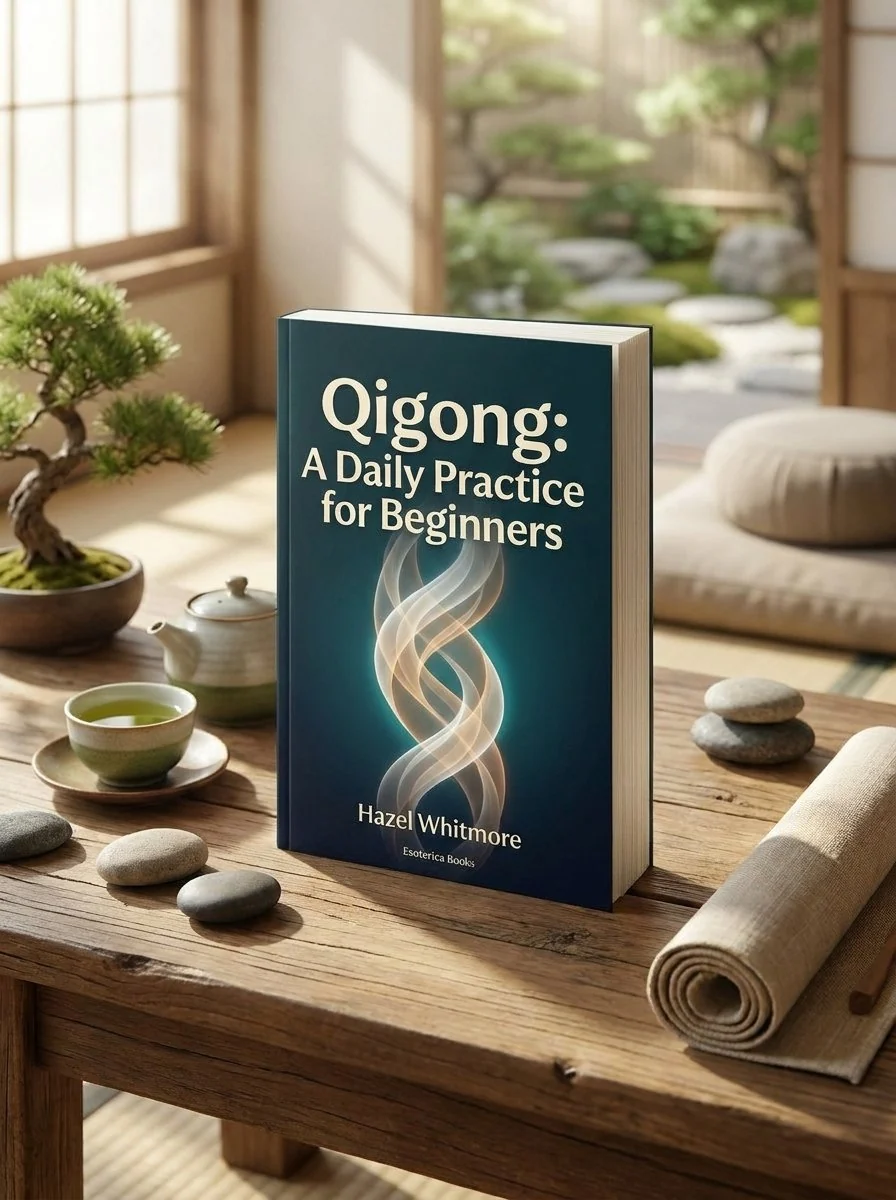
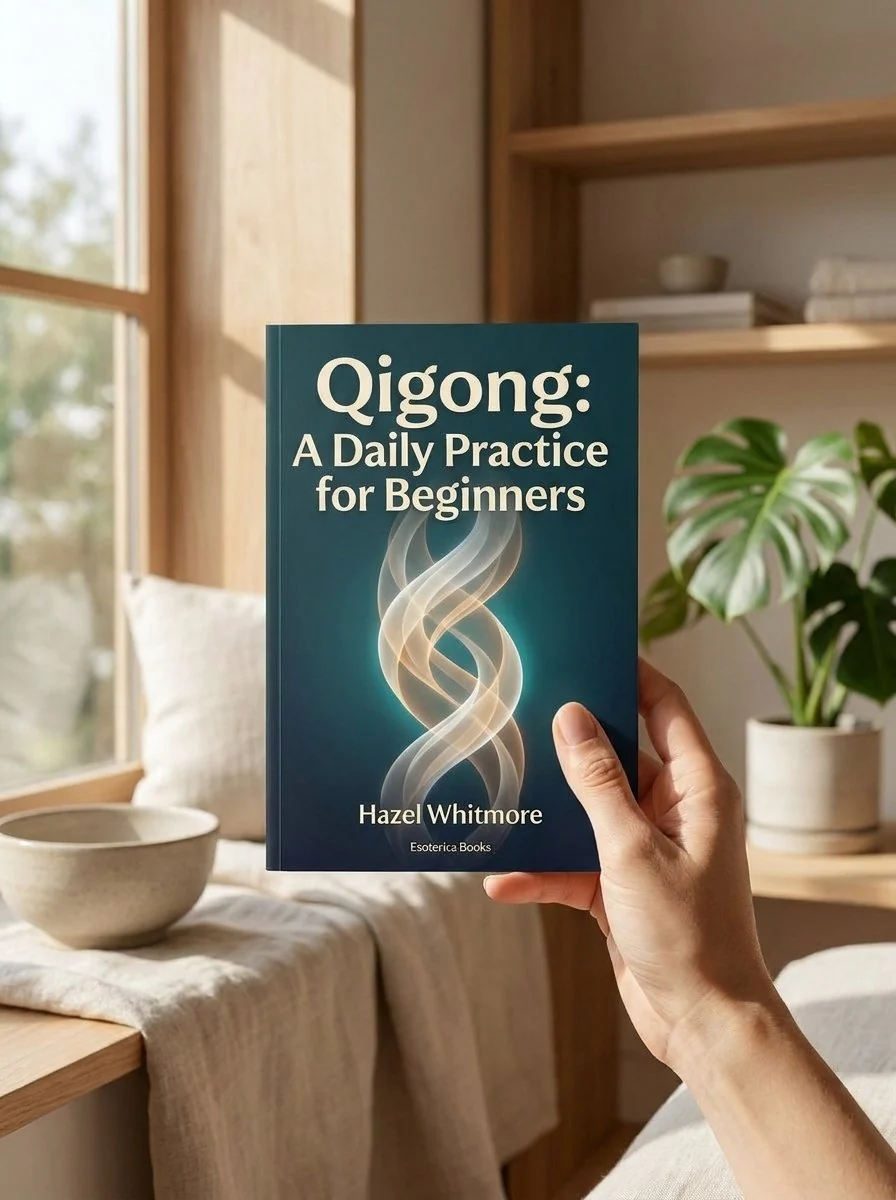
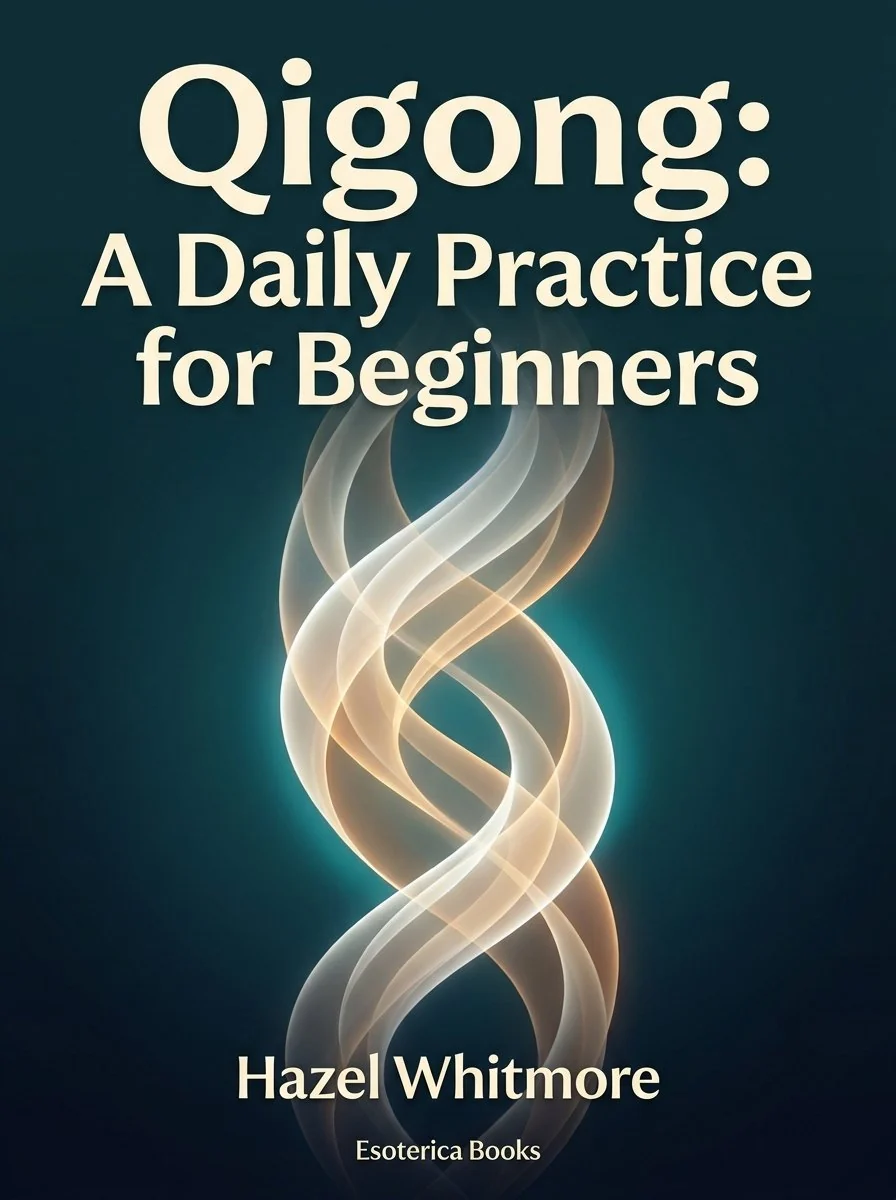
Qigong: A Daily Practice for Beginners
Discover qigong through three simple movements, natural breathing, and a daily practice you can make your own.
Curious about qigong but unsure where to begin? Hazel Whitmore's beginner-friendly guide introduces this Chinese tradition through gentle movement, natural breathing, comfortable posture, and mindful attention. Using the four-part S.T.E.P. Method—Settle, Tune, Embody, Practice—you'll learn three foundational movements, explore standing and moving meditation, and build practical five-, ten-, and twenty-minute routines. Discover seasonal approaches, outdoor practice, and the relationship between qigong and tai chi, then use clear instructions and a planning template to create sequences that fit everyday life.
Qigong is a diverse Chinese tradition commonly understood as the cultivation and practice of qi through movement, breathing, posture, and focused attention. Its approaches include dynamic exercises, standing practices, and meditation, with different traditions emphasizing different methods and interpretations.


📝 Description: Qigong: A Daily Practice for Beginners
📖 Why choose it
Why this book is worth reading
The greatest advantage of this guide is its practical starting point. Instead of asking beginners to master unfamiliar terminology before moving, it introduces three recognizable exercises and builds outward from there. The S.T.E.P. Method gives each session a clear structure, while the seasonal routines, outdoor exercises, and short practice options make the material adaptable to everyday life. If you've been wondering how to learn qigong without complicated equipment or a demanding schedule, this is a straightforward introduction.
⭐ Reader reviews
Reader rating
Hazel Whitmore's guide takes a notably accessible approach to introducing qigong. Its strongest feature is the S.T.E.P. Method, which organizes posture, breathing, movement, and routine-building into four understandable stages. The preview provides recognizable exercises, including Standing Mountain, Raising the Sky, and Gathering the Clouds, and establishes a clear progression from a first five-minute session to independent sequence-building. The contents also extend beyond indoor practice through outdoor exercises and traditional seasonal perspectives. One limitation is that experienced practitioners seeking detailed lineage histories, advanced forms, or extensive theoretical discussion will find this introduction too basic. Its intended audience is firmly the beginner.
❓ Frequently asked questions
📖 Who should read this
Ideal for curious beginners who want to learn how to do qigong at home, understand its traditional principles, and establish a manageable movement and meditation routine. Also suitable for travelers and anyone looking for simple exercises that can be adapted to different spaces and levels of mobility.
🎯 Key themes and symbolism
Foundational Movements
Natural Breathing
Standing Meditation
Daily Practice
📜 Historical context
📚 Glossary
- Qigong
- Qi
- Wuji
- Holding the Ball
- Yin and Yang
- S.T.E.P. Method
📔 Questions to reflect on
- What first attracted me to qigong, and what would make a regular practice feel meaningful in my everyday life?
- Which movement feels most natural to me: Raising the Sky, Gathering the Clouds, or Cloud Hands, and what do I notice about my posture and breathing as I practice?
- How might the traditional qualities of spring growth, summer expansion, autumn gathering, and winter stillness inspire the way I organize my personal practice?
📖 Read on the blog
✍️ More books by this author Hazel Whitmore



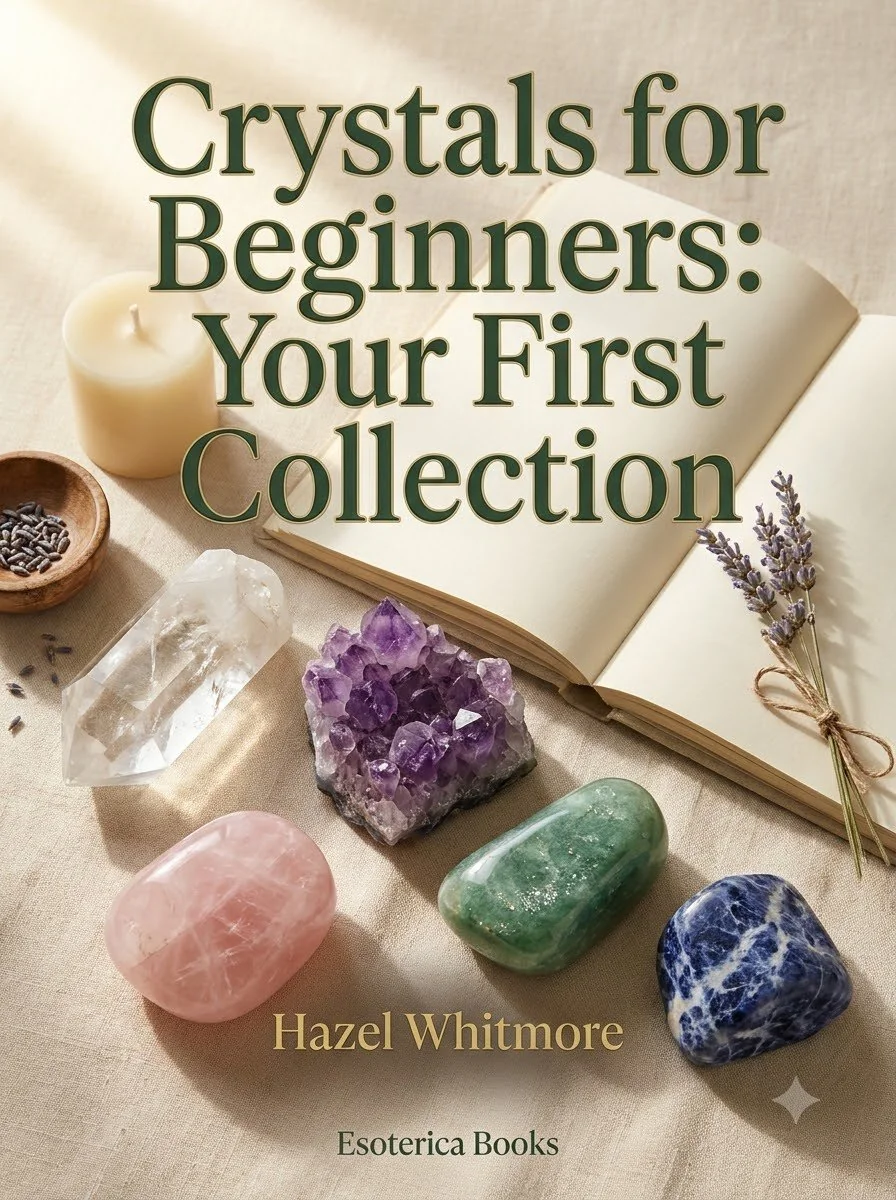


🏛 Books from this publisher Esoterica Books
All books from this publisher →


You might also like
See more →









Have a question about this item?
Ask about the edition, condition, delivery or anything else — we reply by email or phone, usually within a day.
