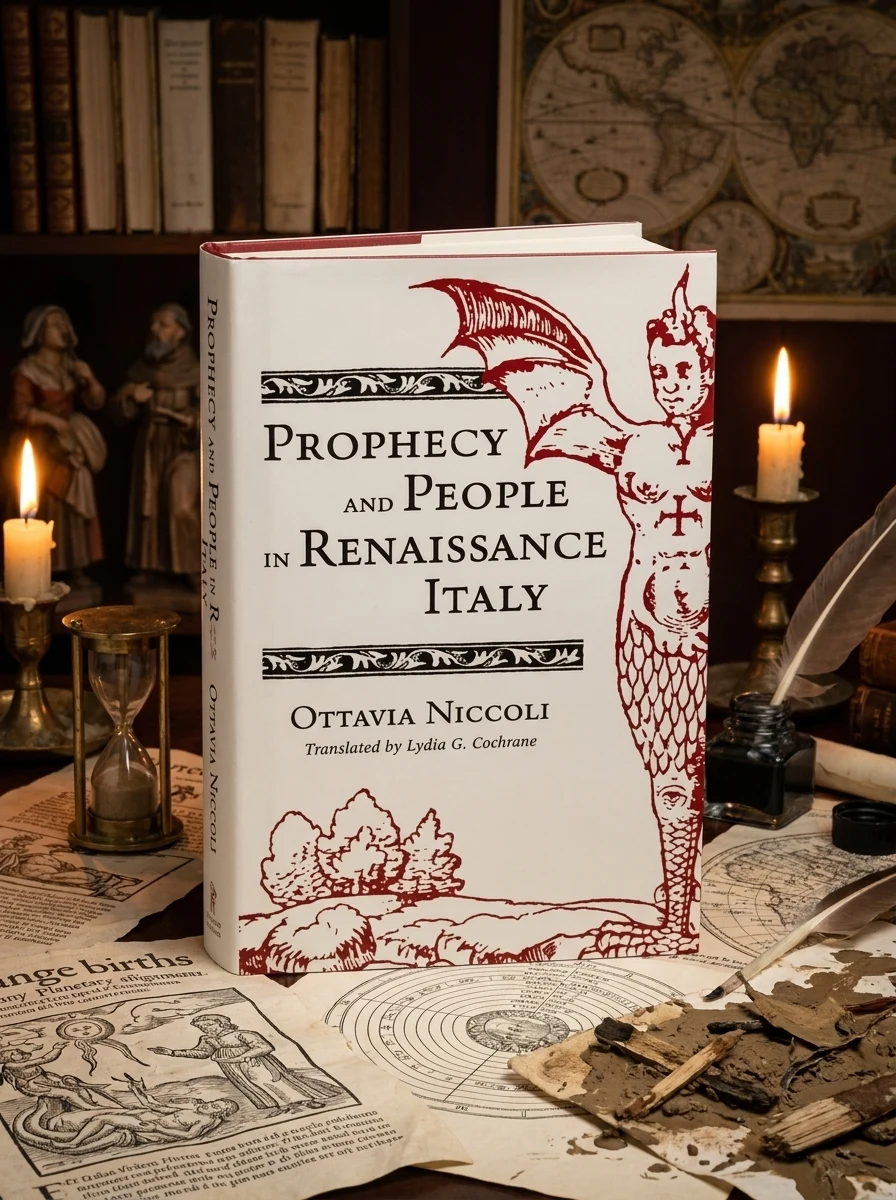
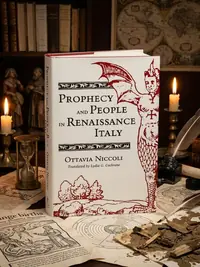
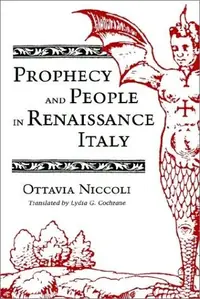
Prophecy and People in Renaissance Italy
Stock reported in the catalog; fulfillment is confirmed with your request.
Uncover how Renaissance Italians sought cosmic clues amidst chaos.
Ottavia Niccoli's insightful work delves into the pervasive role of popular prophecy in tumultuous Renaissance Italy. Amidst religious upheaval and political strife, people from all social strata sought cosmic insights from natural phenomena, astrological alignments, and unusual occurrences. This study meticulously traces how these prophetic messages, often transmitted through street performers and early printed materials, were continuously reinterpreted, serving as both social commentary and potent propaganda. It illuminates the intricate interplay between elite and common beliefs, revealing a culture where nature, faith, and governance were intrinsically linked, and explores prophecy's eventual wane with shifting historical tides.
This work situates itself within the historiography of Renaissance Italy, examining the pervasive role of popular prophecy amidst religious upheaval and political strife. It bridges the gap between elite intellectual traditions and the esoteric beliefs of the common people during a period where nature, faith, and governance were intrinsically linked.


📝 Description: Prophecy and People in Renaissance Italy
💎 Expert review
📖 Why choose it
Why this book is worth reading
Readers fascinated by the intersection of history, esotericism, and social dynamics will find this text deeply rewarding. It offers a unique window into how ordinary citizens and street performers navigated chaos through cosmic clues, revealing prophecy not just as superstition but as potent propaganda and social commentary. Those interested in the transmission of ideas via early printed materials or the intricate interplay between elite and common beliefs will gain significant insight. This book illuminates a culture where governance and faith were inseparable from natural phenomena, providing a nuanced understanding of how prophetic messages shaped public sentiment during tumultuous times.
⭐ Reader reviews
Reader rating
Niccoli’s study is a meticulous academic exploration of how Renaissance Italians interpreted cosmic signs amidst political strife. It excels in tracing the transmission of prophetic messages through street performers and early print, offering a rich analysis of elite versus common beliefs. However, readers seeking narrative-driven history or practical divinatory techniques will find little here. The dense focus on historical methodology and the waning of prophecy may feel dry to those preferring lighter esoteric guides. It is strictly for scholars or dedicated enthusiasts willing to engage with complex socio-political contexts rather than mystical practice.
❓ Frequently asked questions
📖 Who should read this
If you're fascinated by the mystical undercurrents of history, the power of collective belief, or how societies make sense of chaos, this book is for you. It offers profound insights into the intertwining of magic, politics, and everyday life in one of history's most vibrant periods.
🎯 Key themes and symbolism
Diverse Prophetic Manifestations
This book meticulously categorizes the myriad ways Renaissance Italians perceived prophetic signs. From interpreting celestial conjunctions and unusual births to floods and other natural calamities, Niccoli demonstrates how every anomaly was scrutinized for its divine or cosmic message, reflecting a deeply intertwined worldview where the natural world spoke directly to human destiny.
Social Fabric of Prophecy
Explore the dynamic channels through which prophetic ideas circulated, bridging social divides. Street performers, fervent preachers, and early print media acted as conduits, allowing these powerful messages to resonate from the humblest citizens to the most powerful rulers. This circulation wasn't merely passive; prophecies were actively shaped and deployed as political tools and social commentary.
Rise, Reign, and Retreat
The text offers a compelling narrative of prophecy's ascendancy and eventual decline within Italian society. It posits that its peak coincided with periods of intense uncertainty, where nature, faith, and politics were seen as a singular, divinely coded system. The study then links its diminishing influence to the stabilization brought by the end of Italian wars and the intellectual shifts of the Counter-Reformation.
💬 Quotes from the book
“In Renaissance Italy, the divine whispers of nature, the fervent pronouncements of faith, and the shifting tides of political power coalesced into a singular, interpretable code, offering solace or terror.”
“From the street corner orator to the printer's press, prophetic narratives underwent constant revision, reflecting and shaping the anxieties and aspirations of an entire society.”
📜 Historical context
📚 Glossary
- Popular Prophecy
- Counter-Reformation
- Planetary Conjunctions
📔 Questions to reflect on
- How do modern societies interpret signs and omens, and how might these compare to Renaissance prophetic practices?
- Consider how information—whether news or rumor—is transmitted and reinterpreted across different social groups in your own time. What parallels exist with Renaissance prophecy?
- Reflect on how periods of intense political or social upheaval might lead to an increased reliance on non-rational forms of guidance or explanation.
🏛 Books from this publisher Princeton University Press
All books from this publisher →
 87
87



You might also like
See more →

 91
91
 91
91