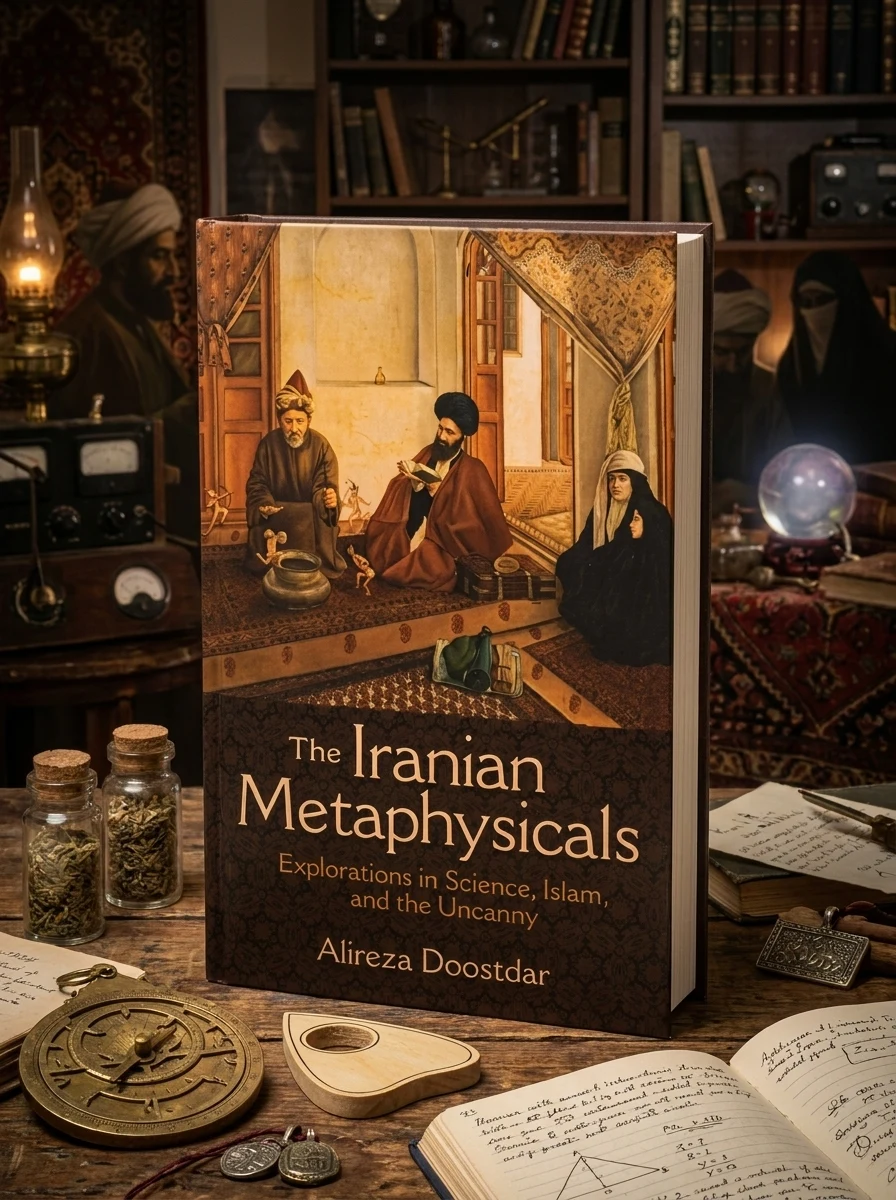
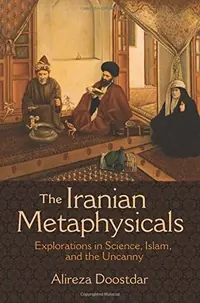
The Iranian Metaphysicals: Explorations in Science, Islam, and the Uncanny
Stock reported in the catalog; fulfillment is confirmed with your request.
Unveil how modern Iranian rationality unexpectedly fueled metaphysical exploration.
Alireza Doostdar meticulously explores the surprising persistence and transformation of occult practices, séances, and appeals to saintly powers in modern Iran. Far from being eradicated by rationalist movements since the late 19th century, these engagements with the immaterial realm have instead diversified and deepened. Through extensive ethnographic and archival work, Doostdar reveals how such metaphysical experimentation has been central to shaping significant intellectual and religious currents, redefining what constitutes orthodox Shi'i Islam and its distinct forms of rationality. This study offers a compelling new perspective on the dynamic interplay between tradition and modernity.
This work situates itself within the intersection of modern Iranian intellectual history and Shi'i religious studies, challenging conventional narratives of secularization. It explores how metaphysical practices evolved alongside rationalist movements in late 19th-century Iran onward.


📝 Description: The Iranian Metaphysicals: Explorations in Science, Islam, and the Uncanny
💎 Expert review
📖 Why choose it
Why this book is worth reading
Readers fascinated by the complex relationship between tradition and modernity will find this book indispensable. Doostdar offers a compelling perspective on how occult practices were not eradicated by rationalism but rather diversified, deeply influencing intellectual currents. It is essential for those seeking to understand how appeals to saintly powers and séances helped redefine orthodox Shi'i Islam and its distinct forms of rationality. The ethnographic depth provides a nuanced view of Iranian metaphysical exploration, revealing unexpected links between science, religion, and the uncanny in contemporary thought.
⭐ Reader reviews
Reader rating
Doostdar’s meticulous archival and ethnographic work presents a sophisticated argument about the persistence of the occult in modern Iran. However, this text is not suited for casual readers seeking accessible pop-occultism or simple historical timelines. It demands patience from those uncomfortable with dense academic theory or nuanced theological debates. Scholars of anthropology and religious studies will appreciate its rigor, while generalists may find the focus on specific intellectual currents too specialized. It is a serious scholarly contribution that prioritizes complex analysis over broad narrative appeal.
❓ Frequently asked questions
📖 Who should read this
If you're fascinated by the complex interplay of faith, reason, and the unseen, particularly within Islamic cultures, this book is for you. It offers a rigorous, nuanced look at how spiritual practices adapt and thrive amidst modernity, challenging simplistic narratives of secularization.
🎯 Key themes and symbolism
Rationality and the Occult
This book challenges the notion that modern rationality inherently diminishes spiritual or "superstitious" practices. Instead, it demonstrates how Iranian intellectuals and religious leaders, in their quest for rationalized faith, inadvertently created new avenues for exploring the unseen, leading to a complex intertwining of scientific thought and esoteric engagement.
Metaphysical Experimentation
Doostdar highlights the diverse "experiments" Iranians undertake to connect with the transcendent. From communicating with spirits to invoking saintly aid, these practices are not static remnants of the past but evolving methods, continually reinterpreted and refined within a modern context, showcasing a dynamic spiritual landscape.
Shaping Shi'i Orthodoxy
The work argues that these seemingly fringe metaphysical explorations are not peripheral but foundational to modern Shi'i Islam. They have played a crucial role in defining what is considered orthodox and rational within the faith, demonstrating how popular spiritual engagement can profoundly influence established religious doctrines and institutions.
💬 Quotes from the book
“The very mechanisms designed to purge 'superstition' inadvertently provided new conceptual frameworks and social spaces for its re-articulation, albeit in newly rationalized forms.”
“Far from a retreat into antiquated beliefs, these encounters with the immaterial realm represent a dynamic process of innovation, deeply entwined with the project of modern selfhood and nation-building.”
📜 Historical context
📚 Glossary
- Occult Sciences
- Metaphysical Experimentation
- Shi'i Islam
📔 Questions to reflect on
- How do contemporary societies define "superstition," and what power dynamics are at play in these definitions?
- Consider how your own cultural context navigates the tension or synergy between scientific rationality and spiritual or metaphysical beliefs.
- In what ways might "experimentation" be a valid approach to understanding or experiencing the spiritual, even in a modern context?
🏛 Books from this publisher Princeton University Press
All books from this publisher →
 87
87




You might also like
See more →