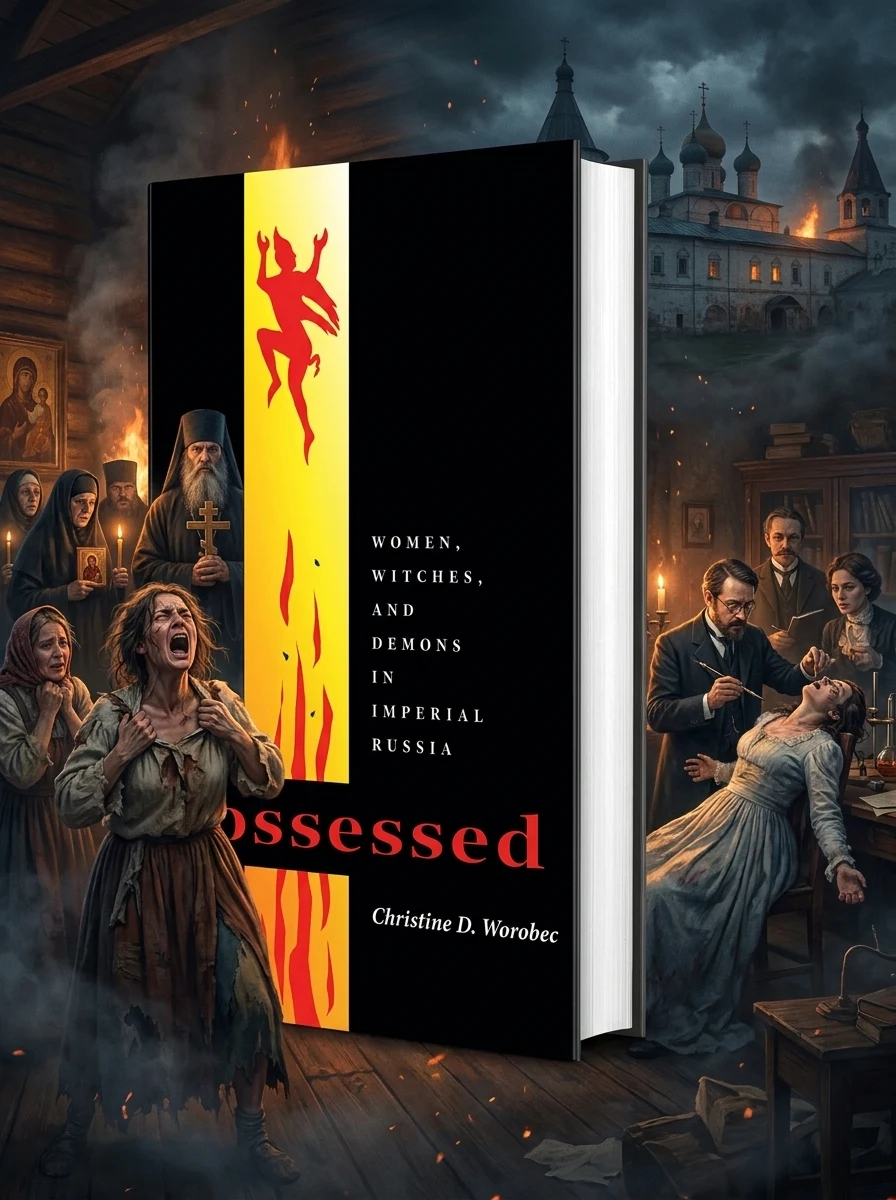


Possessed Worobec, Christine D
Worobec, Christine DStock reported in the catalog; fulfillment is confirmed with your request.
Unearth the haunting history of Russia's 'shriekers' and their profound cultural impact.
Step into a fascinating historical inquiry with Christine D. Worobec's groundbreaking study of Russian 'klikushi,' women believed to be demonically possessed. These 'shriekers,' known for their dramatic fits and outbursts, became central figures in a complex cultural dialogue across centuries. Worobec meticulously explores how these women were perceived—from sympathetic care by peasants to analytical scrutiny by authorities—and the pivotal, often conflicted, role of the Russian Orthodox Church. This work delves into the tension between traditional spiritual explanations and emerging scientific thought, predominantly during Russia's tumultuous 19th and early 20th-century modernization.
This work sits at the intersection of historical anthropology and religious studies, examining the cultural construction of possession within Russian society during the 19th and early 20th centuries. It explores how traditional spiritual beliefs collided with emerging scientific thought during a period of intense modernization.


📝 Description: Possessed Worobec, Christine D
💎 Expert review
📖 Why choose it
Why this book is worth reading
Readers fascinated by the complex interplay between folklore, religion, and social history will find this study deeply rewarding. Christine D. Worobec offers a nuanced look at how Russian society negotiated the boundary between the sacred and the pathological. Those interested in gender studies or the history of medicine will appreciate the detailed analysis of how women's bodies became sites for cultural conflict. It is essential for anyone seeking to understand how pre-modern beliefs persisted and transformed under the pressure of scientific scrutiny, providing a rich, empathetic portrait of marginalized voices often overlooked in official histories.
⭐ Reader reviews
Reader rating
Worobec delivers a rigorous academic inquiry that may feel dense to casual readers interested only in sensational tales of possession. This book is not for those seeking quick thrills or supernatural validation; it is a scholarly dissection of cultural attitudes rather than a narrative of hauntings. Historians, anthropologists, and theologians will find value in its meticulous archival work. However, general audiences expecting a light read or a focus on modern occult practices should look elsewhere. The text demands patience and an interest in sociological frameworks over dramatic storytelling, making it best suited for academic circles or serious students of Eastern European history.
❓ Frequently asked questions
📖 Who should read this
If you're captivated by the intersection of spirituality, gender, and history, or seek to understand the unique cultural tapestry of Imperial Russia, this book is for you. Scholars of women's studies, religious history, and social anthropology will find it an indispensable resource.
🎯 Key themes and symbolism
The Klikushestvo Phenomenon
This book provides the first comprehensive look at 'klikushestvo' in Russia, detailing the dramatic behaviors of the 'shriekers' and the widespread belief in their demonic affliction. Worobec traces the origins and manifestations of this unique form of possession, revealing how it captivated and perplexed Russian society over a broad historical period, with particular focus on the Imperial era.
Societal & Religious Interpretations
Worobec masterfully unpacks the diverse reactions to the possessed women, from the compassion shown by local communities and certain monastic orders to the more clinical and objectifying approaches of burgeoning medical and state institutions. The study highlights how these varied interpretations shaped the lives of the 'klikushi' and the societal understanding of their condition.
Modernity vs. Tradition
The work vividly portrays the Russian Orthodox Church's intricate position as Russia modernized. While the Church contemplated more scientific explanations for the 'shriekers'' behavior, it simultaneously struggled to relinquish entrenched beliefs in demonic possession and the efficacy of miraculous exorcisms. This tension reflects broader cultural shifts in a society grappling with new ideas.
💬 Quotes from the book
“The phenomenon of klikushestvo, while rooted in profound spiritual belief, simultaneously reflected the social anxieties and gendered expectations of Imperial Russian society.”
“As medical understanding advanced, the Church found itself navigating a complex landscape where ancient remedies for demonic affliction clashed with nascent psychological diagnoses.”
📜 Historical context
📚 Glossary
- Klikushestvo
- Klikushi
- Exorcism
📔 Questions to reflect on
- How might society today interpret or medicalize behaviors that were once attributed to demonic possession in historical contexts?
- Reflect on how powerful institutions, such as religious organizations or governments, influence the definition and treatment of unusual human experiences.
- Consider the ways historical narratives about women's experiences with 'possession' can inform our understanding of gender, power, and vulnerability across different eras.
📖 From the series “Niu Slavic, East European, and Eurasian Studies”
All books in the series →
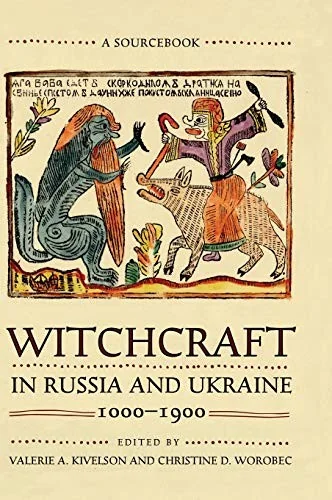
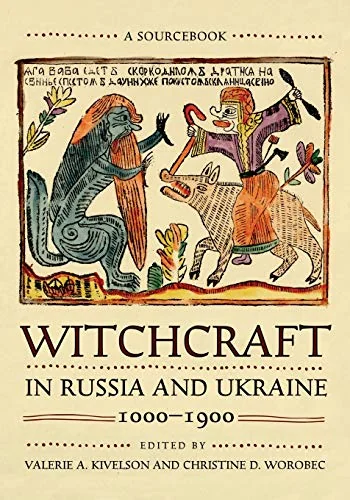
✍️ More books by this author Worobec, Christine D
All books by this author →🏛 Books from this publisher Northern Illinois University Press
All books from this publisher →You might also like
See more →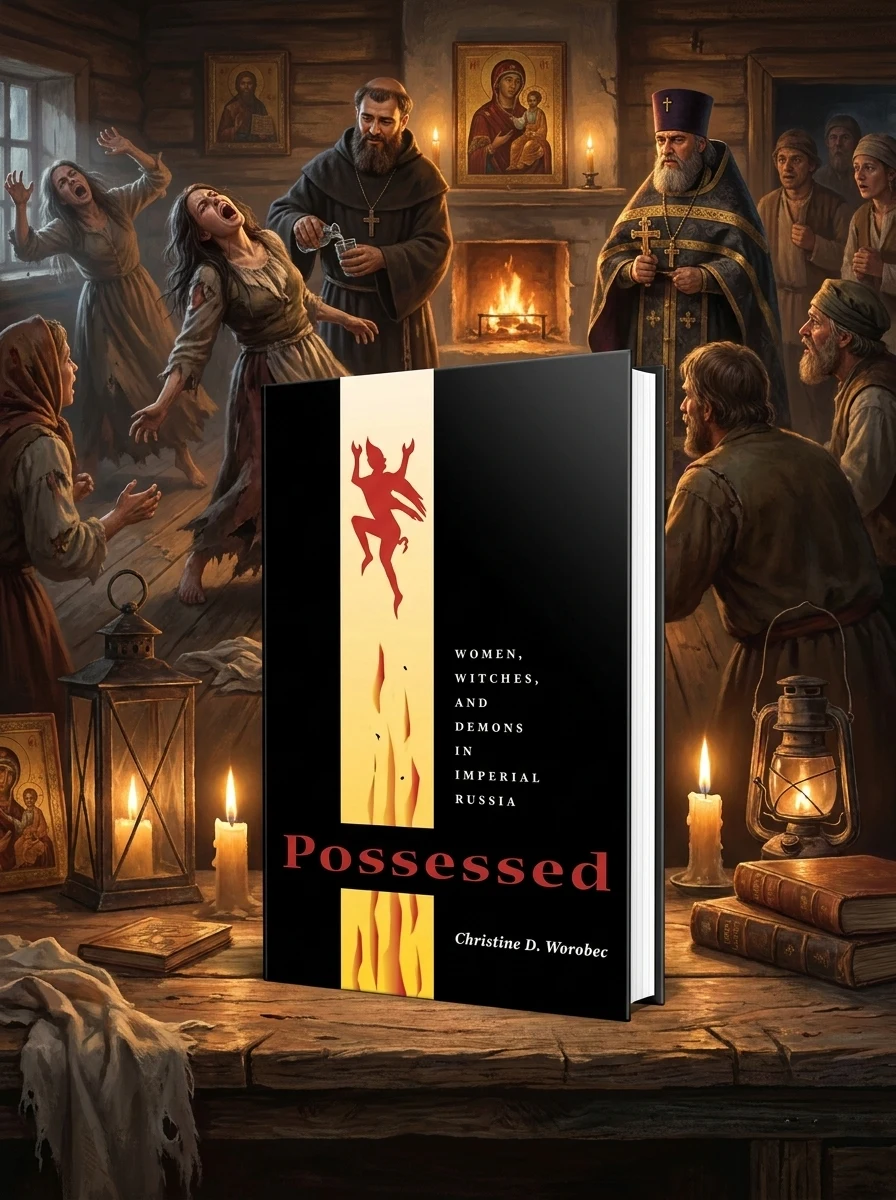


 91
91