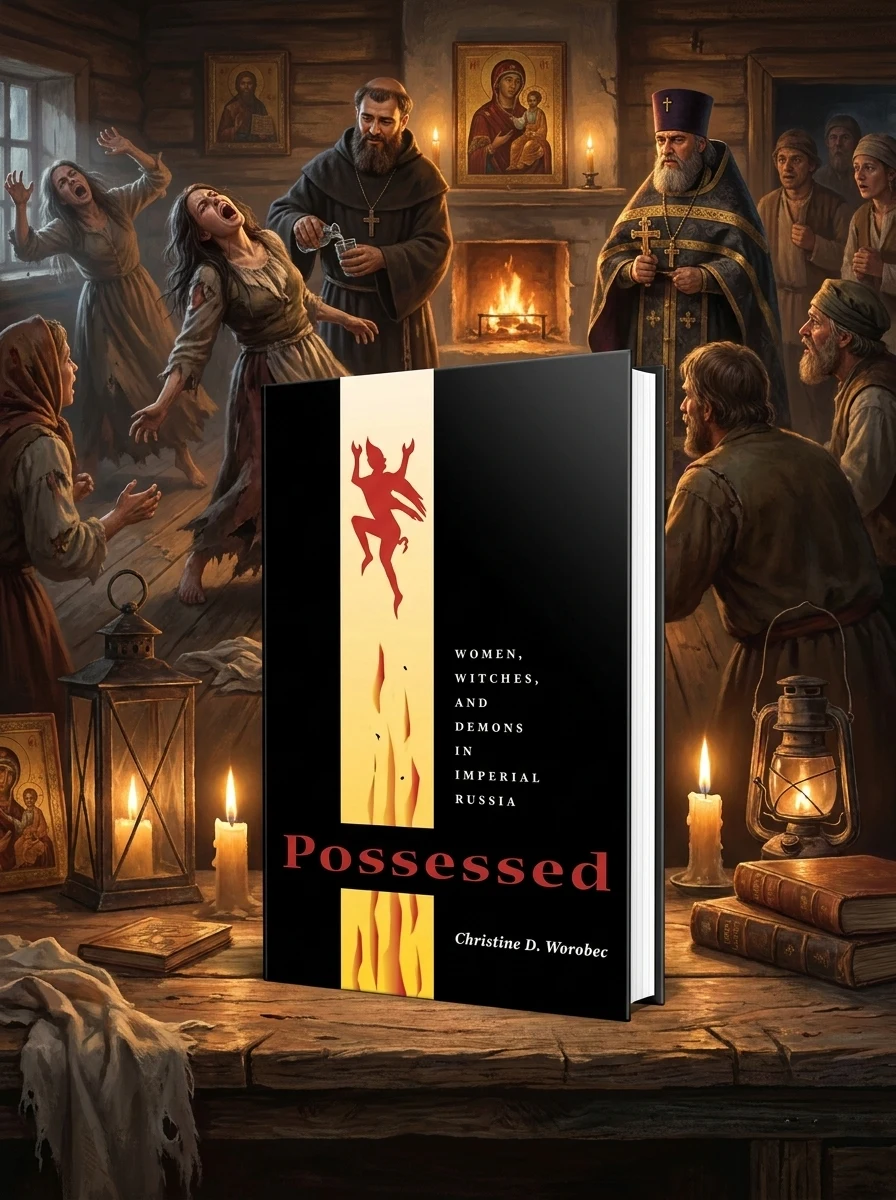
Possessed: Women, Witches, and Demons in Imperial Russia Worobec, Christine D
Worobec, Christine DStock reported in the catalog; fulfillment is confirmed with your request.
Explore the haunting world of Russian women believed to be possessed by demons.
Delve into the enigmatic phenomenon of *klikushi*, or 'shriekers,' women in Imperial Russia whose violent convulsions and cries were widely attributed to demonic possession. This groundbreaking study meticulously examines societal, religious, and scientific responses to these women, from peasant compassion to emerging medical diagnosis. It explores the Russian Orthodox Church's complex stance, navigating between traditional exorcism and nascent rationalism. Worobec's work offers an unparalleled look at this unique cultural drama during a period of intense modernization, focusing on perceptions as much as analysis.
This academic study situates itself within the intersection of Russian imperial history, religious anthropology, and early medical science, examining how societal perceptions of demonic possession evolved during a period of intense modernization.


📝 Description: Possessed: Women, Witches, and Demons in Imperial Russia Worobec, Christine D
💎 Expert review
📖 Why choose it
Why this book is worth reading
Readers fascinated by the historical intersection of faith, medicine, and gender will find profound value in this meticulous examination of *klikushi* phenomena. Those interested in how Imperial Russia navigated its transition from traditional religious explanations to emerging rationalist diagnoses will gain a nuanced understanding of these cultural dramas. It is particularly rewarding for scholars or enthusiasts who appreciate deep dives into specific historical anomalies that reveal broader societal shifts. By focusing on the perceptions surrounding these women, the book offers an unparalleled look at the complex responses from both the Orthodox Church and medical professionals, making it essential for anyone seeking to understand the haunting realities of belief in a changing world.
⭐ Reader reviews
Reader rating
Worobec delivers a scholarly, dense analysis that may overwhelm casual readers seeking accessible narratives about witchcraft. This text is strictly for those with an academic interest in Russian history or religious studies, rather than general occult enthusiasts looking for practical lore or dramatic storytelling. It does not suit readers expecting a focus on Wiccan practices or modern esoteric traditions. However, for historians and anthropologists, it provides a crucial, ground-breaking perspective on the societal and scientific responses to female hysteria in Imperial Russia, offering rigorous insight into a unique cultural moment without succumbing to sensationalism.
❓ Frequently asked questions
📖 Who should read this
If the intersection of folklore, religion, and early psychology in Imperial Russia intrigues you, this book is essential. It offers a profound look at how society grappled with the inexplicable, ideal for scholars and curious minds interested in women's studies or the history of belief.
🎯 Key themes and symbolism
Women and Demonic Possession
This book profoundly explores *klikushi*, Russian women whose erratic behaviors were interpreted as demonic possession. It delves into the specific gendered dimensions, examining why women were predominantly seen as susceptible and how these beliefs shaped their experiences within Imperial Russian society and the Orthodox Church.
Societal & Ecclesiastical Reactions
Worobec details varied reactions to the *klikushi*, from compassionate shelter in rural communities to the analytical, often dehumanizing, gaze of emerging medical thought. The text reveals a society grappling with inexplicable phenomena. It highlights the Russian Orthodox Church's pivotal, yet conflicted, role in interpreting these cases during modernization.
Modernity's Impact on Belief
Focusing primarily on the 19th and early 20th centuries, this study examines how modernization in Imperial Russia influenced perceptions of demonic possession. As scientific rationalism gained ground, traditional explanations for *klikushi* behavior faced scrutiny. Yet, belief persisted, leading to a complex interplay of old and new interpretations.
💬 Quotes from the book
“The 'shrieker,' convulsing on the church floor, was not merely a victim of malevolent spirits, but a mirror reflecting the anxieties of a society grappling with faith, science, and the precarious position of women.”
“Between the peasant's sympathetic awe and the psychiatrist's clinical gaze lay a chasm of understanding, a battlefield where spiritual conviction clashed with burgeoning rationalism over the fate of the possessed.”
📜 Historical context
📚 Glossary
- Klikushestvo
- Klikushi
- Imperial Russia
📔 Questions to reflect on
- How might the *klikushi*'s perceived possession have offered them a unique form of agency or social power in a highly restrictive society?
- Consider how contemporary society diagnoses and treats behaviors that were once attributed to demonic possession. What has changed, and what underlying human needs or fears remain constant?
- How does the Russian Orthodox Church's conflicted stance on *klikushestvo* reflect the broader challenges religious institutions face when confronted with scientific advancement?
📖 From the series “Niu Slavic, East European, and Eurasian Studies”
All books in the series →
 87
87
✍️ More books by this author Worobec, Christine D
All books by this author →🏛 Books from this publisher Northern Illinois University Press
All books from this publisher →You might also like
See more →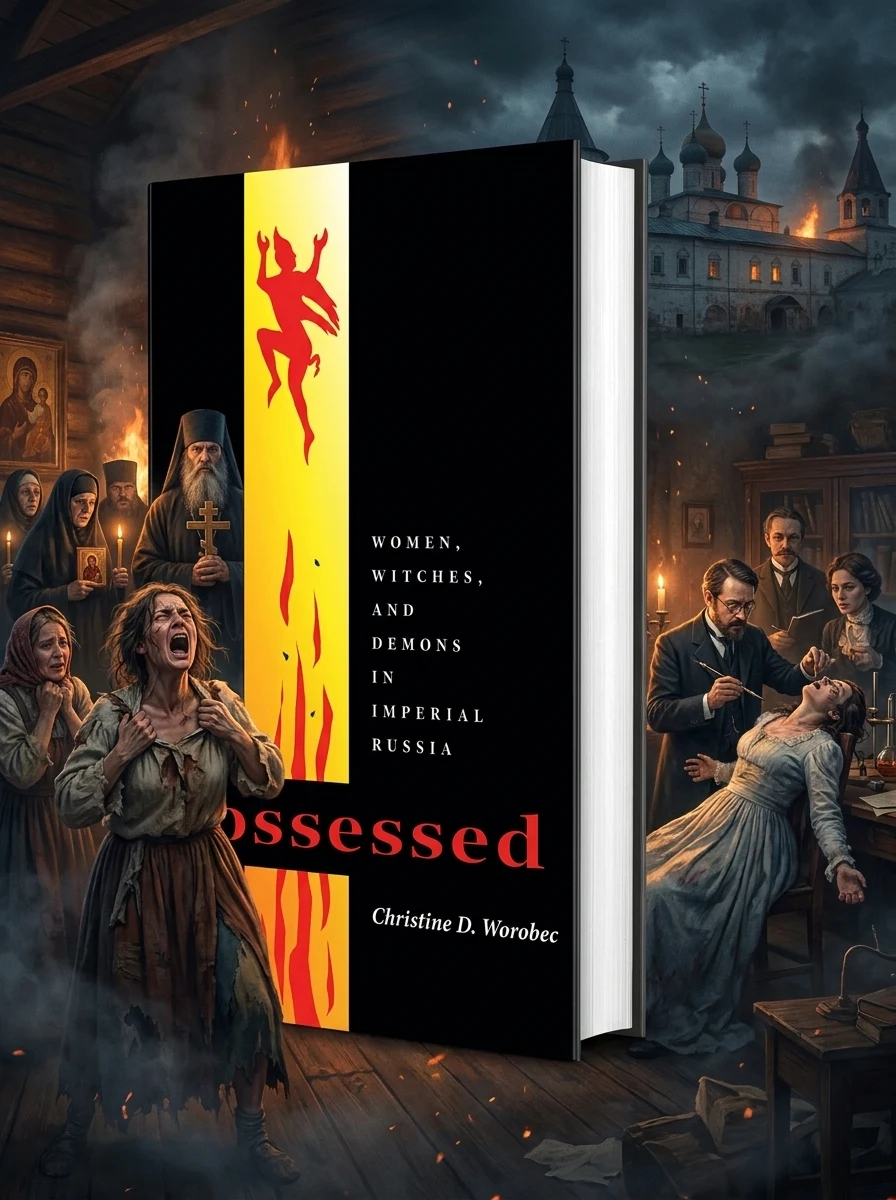 87
87
 91
91
 91
91