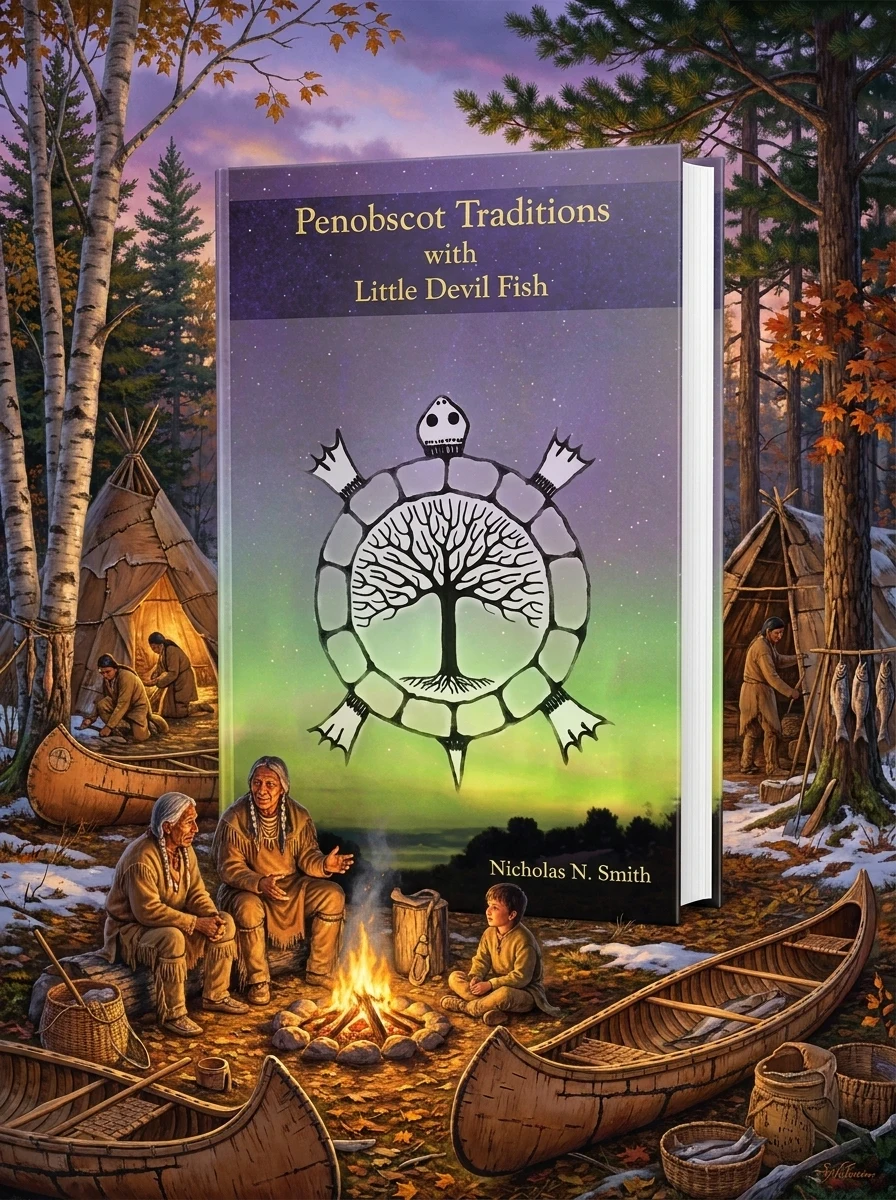
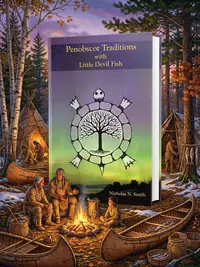
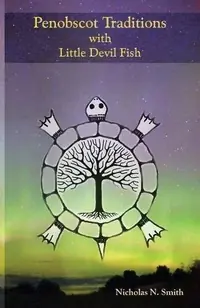
Penobscot Traditions, with Little Devil Fish
Stock reported in the catalog; fulfillment is confirmed with your request.
Journey into the vibrant world of Penobscot life before European arrival.
This captivating narrative invites readers to experience the daily rhythms of a Penobscot family through the eyes of young Little Devil Fish. As the family navigates the seasons, moving their camp and adapting to nature's demands, the reader gains an intimate understanding of essential skills, intricate social structures, and the rich tradition of storytelling. Based on a lifetime of dedicated research, this book offers a nuanced and respectful portrayal of Indigenous life in the Maine woods before the profound changes brought by European contact, making history tangible and engaging.
This work explores Penobscot life in the Maine woods prior to significant European contact, focusing on pre-colonial Indigenous traditions and seasonal rhythms. It serves as a narrative bridge into the vibrant world of Penobscot culture through the perspective of a young protagonist.


📝 Description: Penobscot Traditions, with Little Devil Fish
💎 Expert review
📖 Why choose it
Why this book is worth reading
Readers seeking an intimate and respectful window into pre-colonial Indigenous life will find this book deeply rewarding. It is ideal for those who appreciate historical narratives grounded in daily rhythms, seasonal adaptations, and intricate social structures rather than grand political events. The story appeals to individuals interested in the tangible history of the Maine woods and the rich tradition of Penobscot storytelling. By following Little Devil Fish, audiences gain an accessible understanding of essential survival skills and community bonds. This narrative makes history feel immediate and engaging, offering a nuanced portrait that honors the dignity and complexity of Penobscot existence before profound external changes altered their world.
⭐ Reader reviews
Reader rating
Smith delivers a captivating journey into Penobscot life, utilizing Little Devil Fish’s perspective to illuminate daily rhythms and seasonal camp movements. The author’s lifetime of research shines through in the nuanced portrayal of social structures and storytelling traditions. However, this book is not suited for readers seeking high-adventure action or complex political intrigue; it is a slow-paced immersion into cultural detail. Those looking for sensationalized accounts of Indigenous history may find the respectful, grounded tone too quiet. It is best appreciated by those willing to engage with the quiet dignity of pre-contact life and the specific ecological knowledge of the Maine woods.
❓ Frequently asked questions
📖 Who should read this
If you are drawn to authentic portrayals of Indigenous cultures, seek immersive historical fiction, or wish to understand pre-colonial life in North America, this book is for you. It offers a gentle yet profound journey into a bygone era, perfect for those interested in anthropology and oral histories.
🎯 Key themes and symbolism
Seasonal Rhythms
The book meticulously details how the Penobscot family's life, from hunting and gathering to camp movements, is intrinsically linked to the changing seasons. Readers witness their adaptability and deep connection to the land, understanding how nature dictated their activities and survival strategies.
Oral Tradition & Kinship
Central to the narrative is the role of storytelling, as Little Devil Fish absorbs cherished tales that transmit cultural knowledge and values. The book also illuminates the complex web of social relationships and community support that defined Penobscot family and tribal life, emphasizing communal bonds.
Pre-Colonial Immersion
Through diligent research, the author reconstructs a realistic depiction of Penobscot existence in the Maine woods prior to European arrival. This theme offers a rare glimpse into an Indigenous world untainted by colonial influence, highlighting traditional practices and an unadulterated cultural landscape.
💬 Quotes from the book
“I accompanied Edwin Tappan Adney's best friend, the late Peter L. Paul, a Maliseet Indian, to Adney's cabin at Upper Woodstock, New Brunswick.”
“We turned left off the highway, passing through a grove of tall pines that insulated the cabin from all road noise and isolated it from civilization.”
📜 Historical context
📚 Glossary
- Penobscot
- Turtle Island
- Oral Tradition
📔 Questions to reflect on
- How do seasonal changes influence your own life or community, and how might that compare to the Penobscot family's deep reliance on nature's cycles?
- Reflect on the role of storytelling in preserving culture and transmitting values. What stories from your own heritage are important to you, and why?
- Imagine living without modern conveniences, relying solely on natural resources. What essential skills would you prioritize learning, inspired by the Penobscot way of life?
🏛 Books from this publisher Polar Bear & Company
All books from this publisher →

 82
82



You might also like
See more →

 89
89