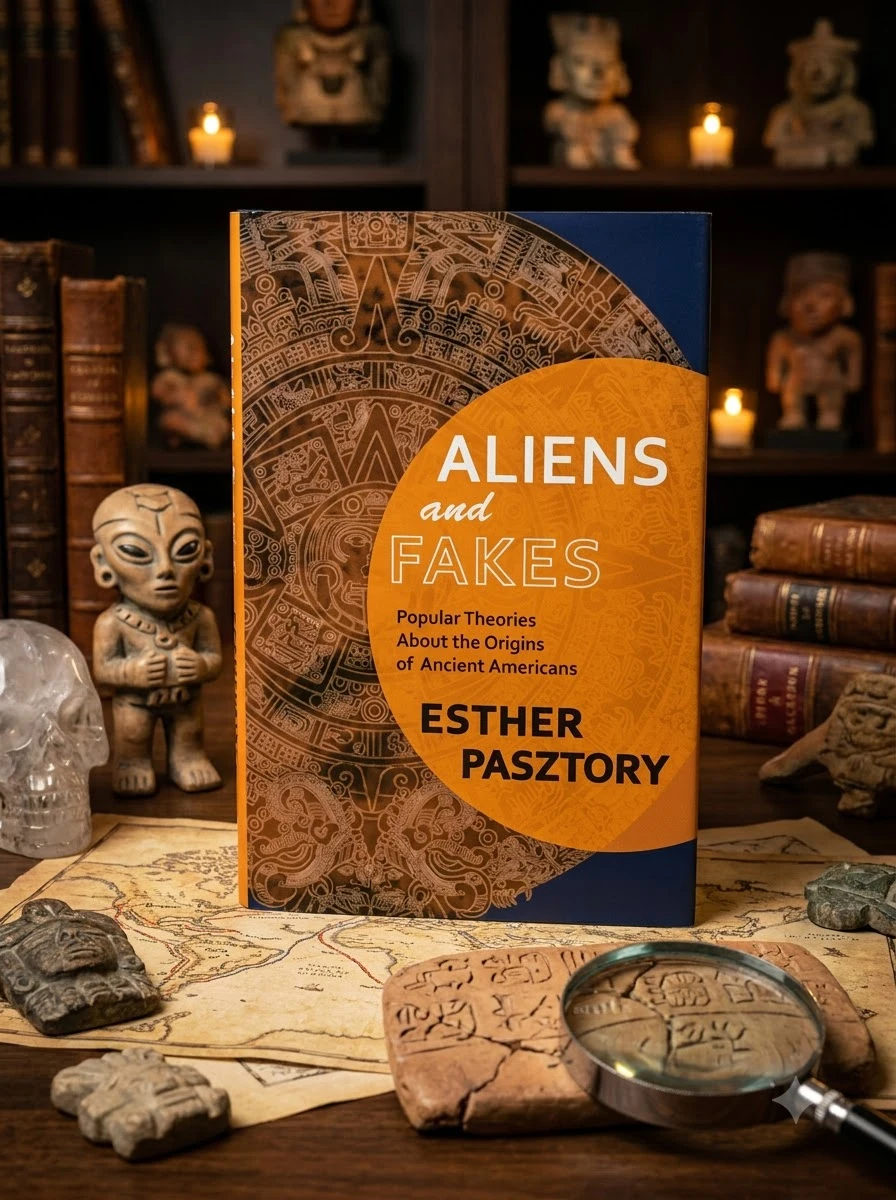

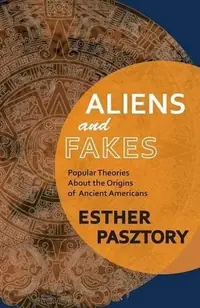
Aliens and Fakes: Popular Theories About the Origins of Ancient Americans
Stock reported in the catalog; fulfillment is confirmed with your request.
Unmask the wild myths of ancient Americas with scholarly precision and wit.
Esther Pasztory dismantles the enduring legends surrounding the origins of pre-Columbian civilizations, separating archaeological reality from fantastical fabrication. She examines why pseudo-historical narratives captivate the public imagination, offering a rigorous yet accessible critique of these popular theories. Beyond debunking, she provides a lucid overview of genuine ancient American art and history. This work serves as both a skeptical inquiry into cultural myths and an authoritative guide to the authentic artistic heritage of the Americas, blending critical analysis with deep respect for the subject.
This volume sits firmly within the scholarly tradition of archaeological critique and pseudo-historical debunking, addressing the intersection of public myth-making and academic rigor regarding pre-Columbian civilizations. It belongs to a lineage of works that seek to separate genuine cultural heritage from fantastical fabrication.


📝 Description: Aliens and Fakes: Popular Theories About the Origins of Ancient Americans
💎 Expert review
📖 Why choose it
Why this book is worth reading
Readers fascinated by the origins of ancient American civilizations but weary of sensationalist pseudo-history will find this book indispensable. Esther Pasztory offers a refreshing blend of scholarly precision and wit, dismantling enduring legends with rigorous analysis while maintaining deep respect for authentic artistic heritage. It is ideal for those who want to understand why these myths captivate the public imagination without sacrificing intellectual integrity. By providing a lucid overview of genuine history alongside its critique, the book serves as both a skeptical inquiry and an authoritative guide, ensuring readers gain clarity on pre-Columbian realities rather than remaining lost in wild speculation.
⭐ Reader reviews
Reader rating
This exceeded my expectations. The language takes some getting used to, but it becomes part of the charm. The symbolism is layered and generous to patient readers.
Was skeptical at first. Some chapters demand a slow, careful read, and that's exactly the point. A keeper.
Been hunting for a decent copy of this text for ages. The typesetting is comfortable for study, with good margins for notes. Delivery took a bit longer than quoted.
Was skeptical at first. The text itself is dense but rewarding — you get out what you put in. The print is clean and easy on the eyes for long sessions. Some archaic spellings slow things down.
Grabbed this during a weekend order. Challenging in places, but never needlessly obscure. The language takes some getting used to, but it becomes part of the charm. Will be gifting a copy to a friend.
Pasztory delivers a necessary corrective to the flood of fantastical narratives surrounding ancient Americas. Her approach is rigorous yet accessible, successfully separating archaeological reality from fabrication with clear logic and respect for the subject matter. However, this book does not suit readers seeking validation for alternative history theories or those who prefer narrative-driven myths over critical analysis. It is specifically tailored for skeptics and serious students of art history who demand evidence-based discourse. While it may disappoint those clinging to popular pseudo-historical legends, it remains an essential resource for anyone committed to understanding the authentic artistic heritage of the Americas through a lens of scholarly integrity.
❓ Frequently asked questions
📖 Who should read this
Readers fascinated by the intersection of archaeology and folklore, or those seeking to distinguish between verified ancient history and the romanticized fictions that often obscure it.
🎯 Key themes and symbolism
Pre-Columbian Mythology
Art Historical Analysis
Pseudoarchaeology
💬 Quotes from the book
“Esther Pasztory turns her conclusion into the most readable introduction we now have of what everyone needs to know about ancient American art.”
“Why, today, do farfetched ideas enjoy the popularity that they do?”
📜 Historical context
📚 Glossary
- Pre-Columbian
- Teotihuacán
- Pseudoarchaeology
📔 Questions to reflect on
- Which origin story of your own culture do you suspect might be more myth than fact?
- How does the desire for mystery influence our interpretation of ancient artifacts?
- What role does academic expertise play in combating widespread cultural misconceptions?
🏛 Books from this publisher Polar Bear & Company
All books from this publisher →

 82
82




You might also like
See more →


 89
89