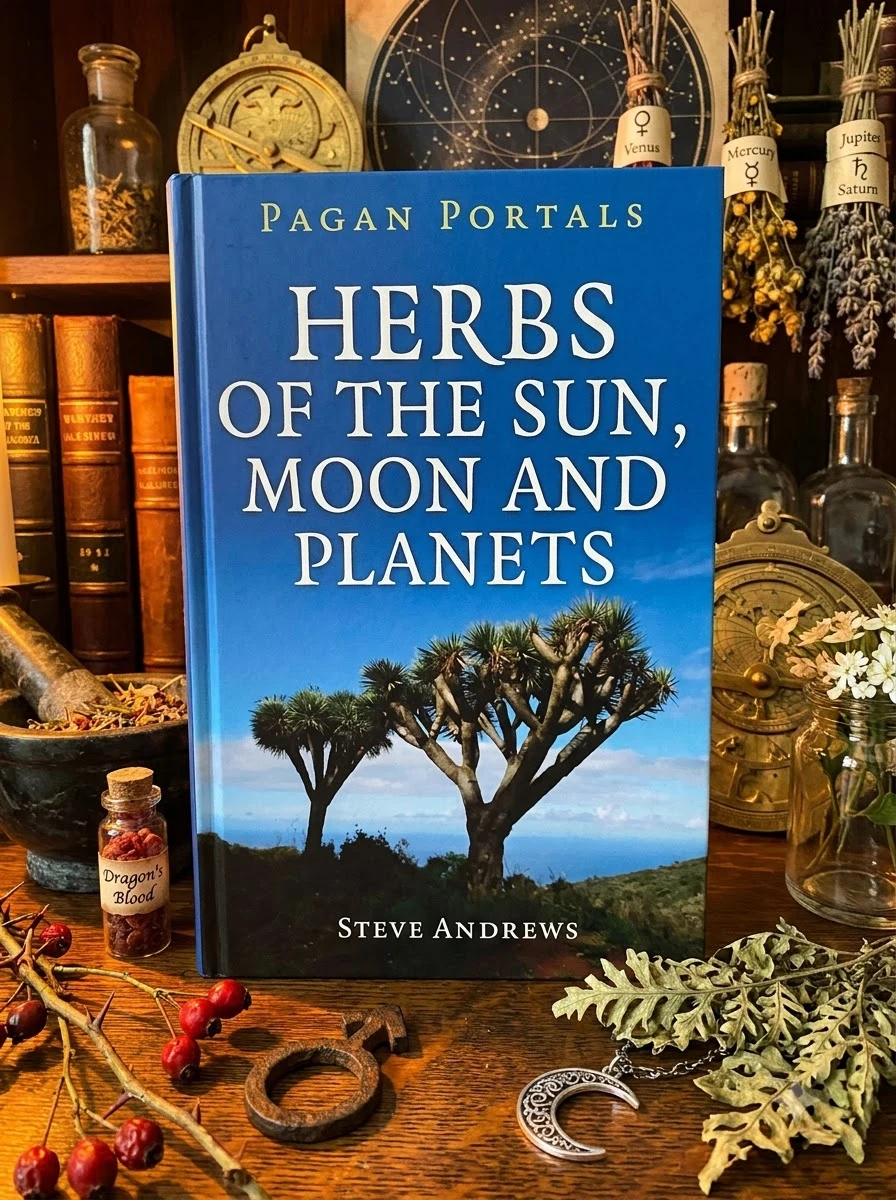
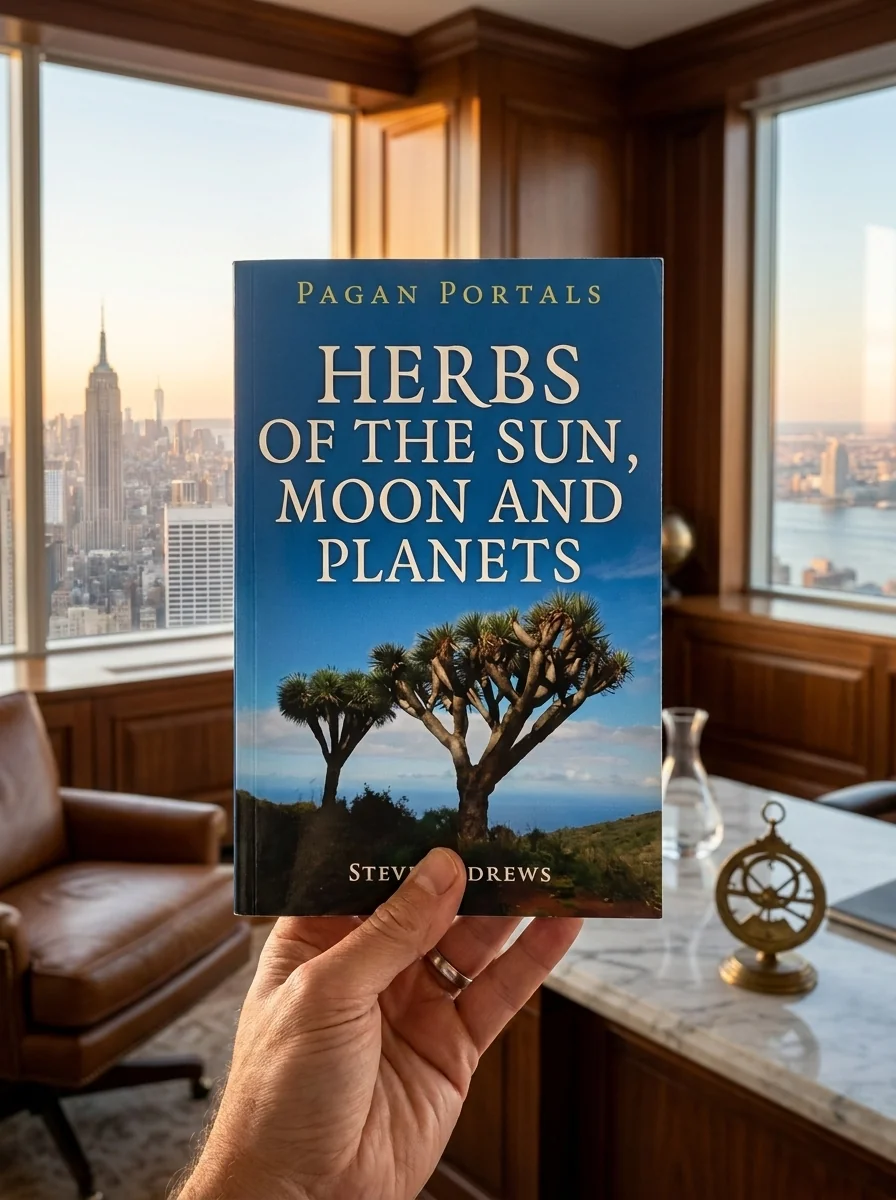
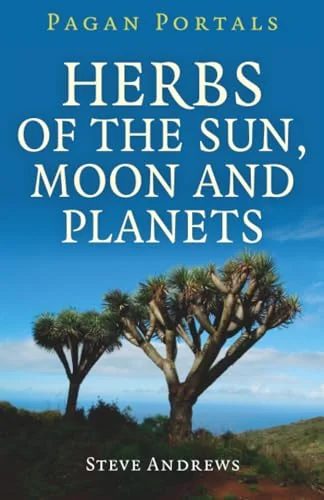
Pagan Portals - Herbs of the Sun, Moon and Planets
✍️ Andrews, SteveJourney into the ancient art of herbalism, illuminated by astrological wisdom. This guide reveals how celestial bodies influence earthly flora, drawing inspiration from historical figures like Culpeper. It deciphers the unique characteristics—from physical traits like thorns or red sap to inherent properties—that link specific plants to their planetary rulers. The book is structured into seven distinct planetary sections, each exploring seven representative herbs under the dominion of Sun, Moon, Mars, Venus, Mercury, Jupiter, and Saturn. An essential read for anyone connecting plants, planets, and potent natural magic.


📝 Description: Pagan Portals - Herbs of the Sun, Moon and Planets
💎 Expert review
📖 Why choose it
Why this book is worth reading
This book is an essential guide for modern witches and herbalists who seek to deepen their magical practice through the lens of astrology. Readers will gain a structured understanding of how celestial bodies influence earthly flora, allowing them to select plants with precise planetary correspondences for their spells. By organizing content into seven distinct sections—Sun, Moon, Mars, Venus, Mercury, Jupiter, and Saturn—it provides clear, accessible frameworks for working with natural magic. It is particularly beneficial for those interested in the historical roots of herbalism while wanting practical applications for contemporary pagan rituals. The warm approach makes complex astrological concepts feel grounded and usable, helping practitioners connect more profoundly with nature's rhythms and planetary energies.
⭐ Reader reviews
Reader rating
Andrews offers a charming and accessible entry point into astrological herbalism, making planetary correspondences feel tangible through specific plant examples. The structure is logical, dividing knowledge by the seven classical planets, which aids memorization and practical application. However, it does NOT suit advanced scholars seeking rigorous academic botanical analysis or deep historical critique of Culpeper’s methods. Those looking for purely scientific horticultural data may find the esoteric focus lacking in empirical detail. It is best viewed as a magical toolkit rather than a botanical textbook, appealing to those who value intuitive connection over clinical precision.
❓ Frequently asked questions
📖 Who should read this
For the aspiring astro-herbalist, the discerning gardener, or anyone fascinated by the occult and planetary magic. This guide offers a structured, accessible journey into the profound synergy between celestial energies and the plant kingdom, enriching your practice.
🎯 Key themes and symbolism
Integrating Astrology & Herbs
This book offers a practical framework for combining astrological insights with herbal knowledge. It illustrates how planetary energies manifest in botanical forms, providing a holistic understanding of plant medicine. Readers learn to select and utilize herbs in harmony with cosmic influences for enhanced efficacy and intention.
Seven Planetary Divisions
The text systematically categorizes herbs by their ruling planet, dedicating a section to each of the seven traditional celestial bodies. Within each division, seven distinct herbs are examined, detailing their unique properties and how they embody their planetary ruler's essence. This structured approach simplifies complex correspondences.
📜 Historical context
📚 Glossary
- Planetary Rulerships
- Astro-herbalism
- Dragon's Blood
📔 Questions to reflect on
- Consider a common herb you know well. Based on its characteristics (growth, appearance, taste, traditional uses), which planet do you intuitively feel might rule it, and why?
- How might understanding a plant's planetary ruler change your approach to gardening or using it in magical or medicinal practices?
- Reflect on the concept of 'aggressive properties' in herbs (like thorns). How does this planetary connection deepen your appreciation for nature's diverse forms of protection and power?