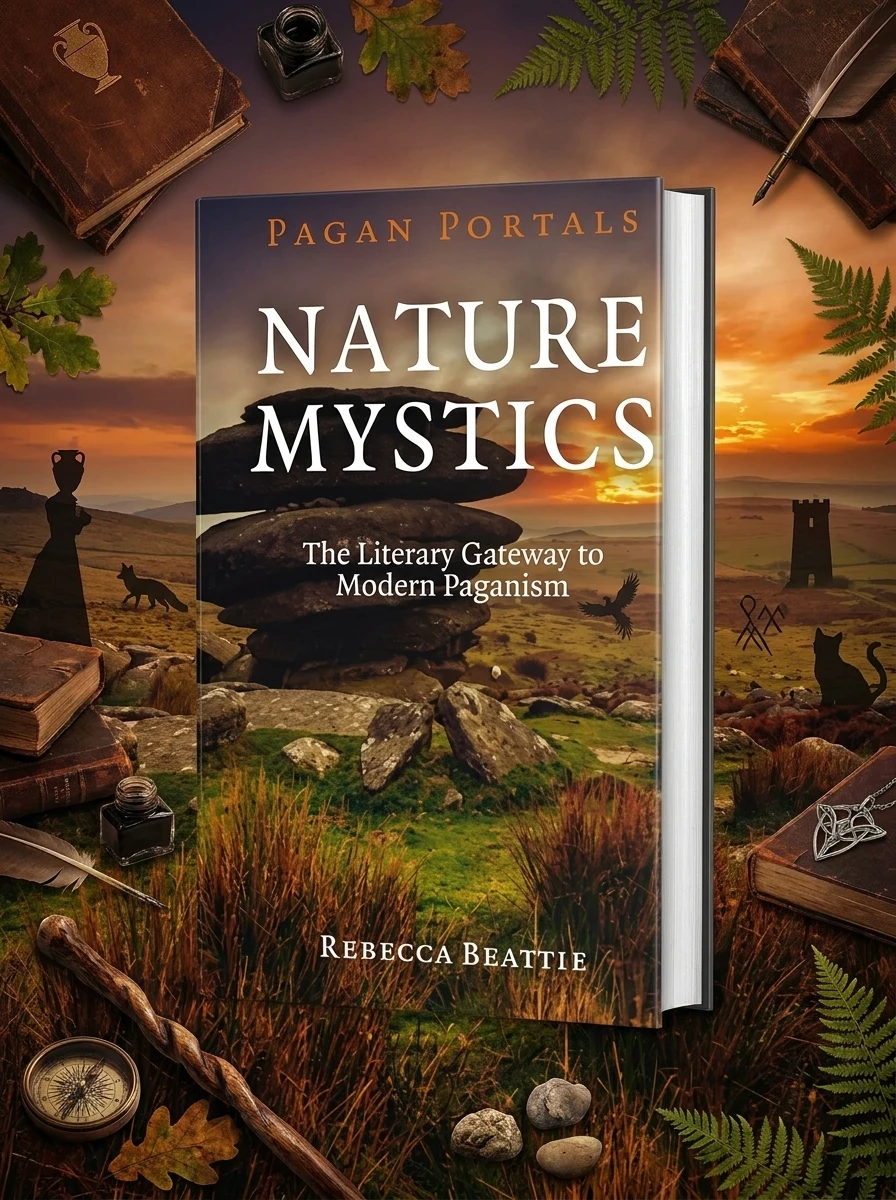
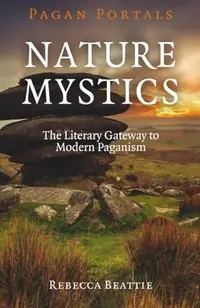
Pagan Portals - Nature Mystics
Beattie, RebeccaStock reported in the catalog; fulfillment is confirmed with your request.
Unearth the hidden threads of paganism woven through literary masterpieces.
Dive into the spiritual landscape that nurtured modern paganism, exploring the profound influence of ten seminal authors. Rebecca Beattie meticulously examines how literary giants like J.R.R. Tolkien, D.H. Lawrence, and W.B. Yeats, through their deep connection to nature and myth, inadvertently laid the groundwork for the twentieth century's pagan revival. This insightful volume uncovers the often-overlooked philosophical and mystical undercurrents in their works, revealing a rich tapestry of thought that predates and informs contemporary earth-centered spirituality.
This work bridges the gap between high literary criticism and modern earth-centered spirituality, exploring how early twentieth-century authors laid the groundwork for contemporary pagan revival.


📝 Description: Pagan Portals - Nature Mystics
💎 Expert review
📖 Why choose it
Why this book is worth reading
Readers fascinated by the hidden spiritual undercurrents in classic literature will find this book deeply rewarding. It is perfect for those who wish to understand the philosophical roots of modern paganism without starting from scratch. By examining ten seminal authors, the text reveals how their connection to nature and myth inadvertently shaped earth-centered spirituality. If you enjoy uncovering the mystical threads woven through literary masterpieces, this volume offers a rich tapestry of thought that predates and informs contemporary practices. It serves as an essential guide for anyone seeking to trace the lineage of pagan revival through the eyes of its most influential literary giants.
⭐ Reader reviews
Reader rating
Beattie provides a meticulous examination of how literary giants like Tolkien and Yeats nurtured modern paganism through their deep connection to nature. This approach offers valuable insight into the philosophical undercurrents that inform contemporary earth-centered spirituality. However, readers seeking practical ritual instructions or direct historical accounts of pagan rites will be disappointed. The focus remains strictly on literary analysis rather than occult practice. Those looking for straightforward Wiccan guides may find the academic tone too abstract. It is best suited for those interested in the intersection of literature and spiritual history rather than active practitioners seeking ceremonial knowledge.
❓ Frequently asked questions
📖 Who should read this
If you're fascinated by the intersection of literature, nature, and spirituality, or seeking to understand the cultural origins of modern paganism, this book is for you. Discover the poets and novelists who subtly shaped our esoteric landscape.
🎯 Key themes and symbolism
Literary Precursors to Paganism
This book illuminates how the imaginative worlds and nature-centric philosophies of celebrated writers, from Romantic poets to modernist novelists, acted as fertile ground for the later blossoming of modern pagan thought. It traces the intellectual and spiritual lineage, showing how these authors, perhaps unknowingly, articulated sentiments that would resonate deeply with future pagan movements.
Nature as Spiritual Axis
Explore how the natural world became a profound source of spiritual insight and inspiration for these literary figures. The book delves into their personal and artistic connections to landscapes, seasons, and ancient lore, demonstrating how their reverence for nature transcended mere aesthetics to become a form of mysticism that challenged conventional religious paradigms.
Evolution of Modern Paganism
Gain a deeper understanding of the cultural environment that fostered the growth of modern paganism. By focusing on key literary voices, the book offers a unique perspective on the movement's intellectual and creative heritage, highlighting how artistic expression contributed significantly to shaping its philosophical underpinnings and public perception throughout the 20th century.
💬 Quotes from the book
“The imaginative landscape, rich with ancient echoes and untamed beauty, proved a fertile crucible for a spirituality that defied the dogmas of its age.”
“In the lyrical prose and vivid imagery of these writers, we find not mere aesthetic appreciation, but a profound, almost primal, reconnection to the sacred immanent in the natural world.”
📜 Historical context
📚 Glossary
- Paganism
- Mysticism
- Esoteric
📔 Questions to reflect on
- Which of the featured authors have you read, and how does their work resonate with your own understanding of nature or spirituality?
- Consider how contemporary literature or art might be subtly shaping future spiritual movements. What parallels can you draw?
- Reflect on your own 'nature mystics'—individuals or experiences that deepened your connection to the natural world and its inherent spirituality.
✍️ More books by this author Beattie, Rebecca
All books by this author →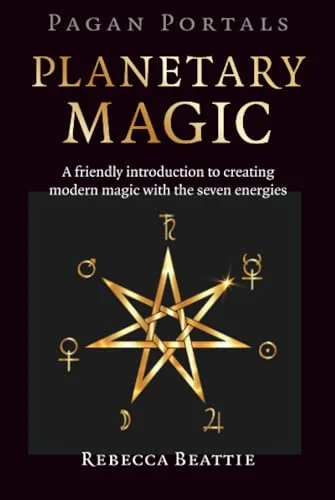
🏛 Books from this publisher Moon Books
All books from this publisher →
 81
81
 89
89
You might also like
See more → 86
86
 91
91
 91
91