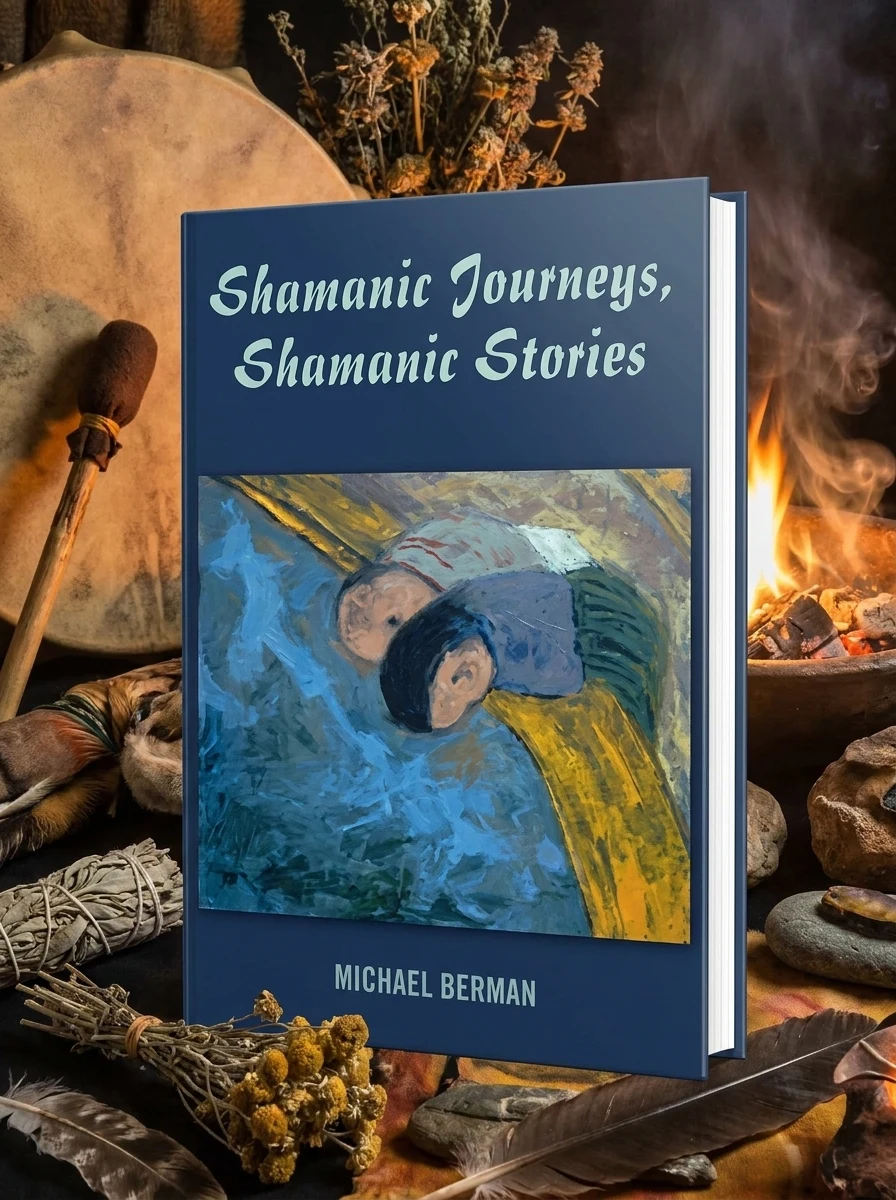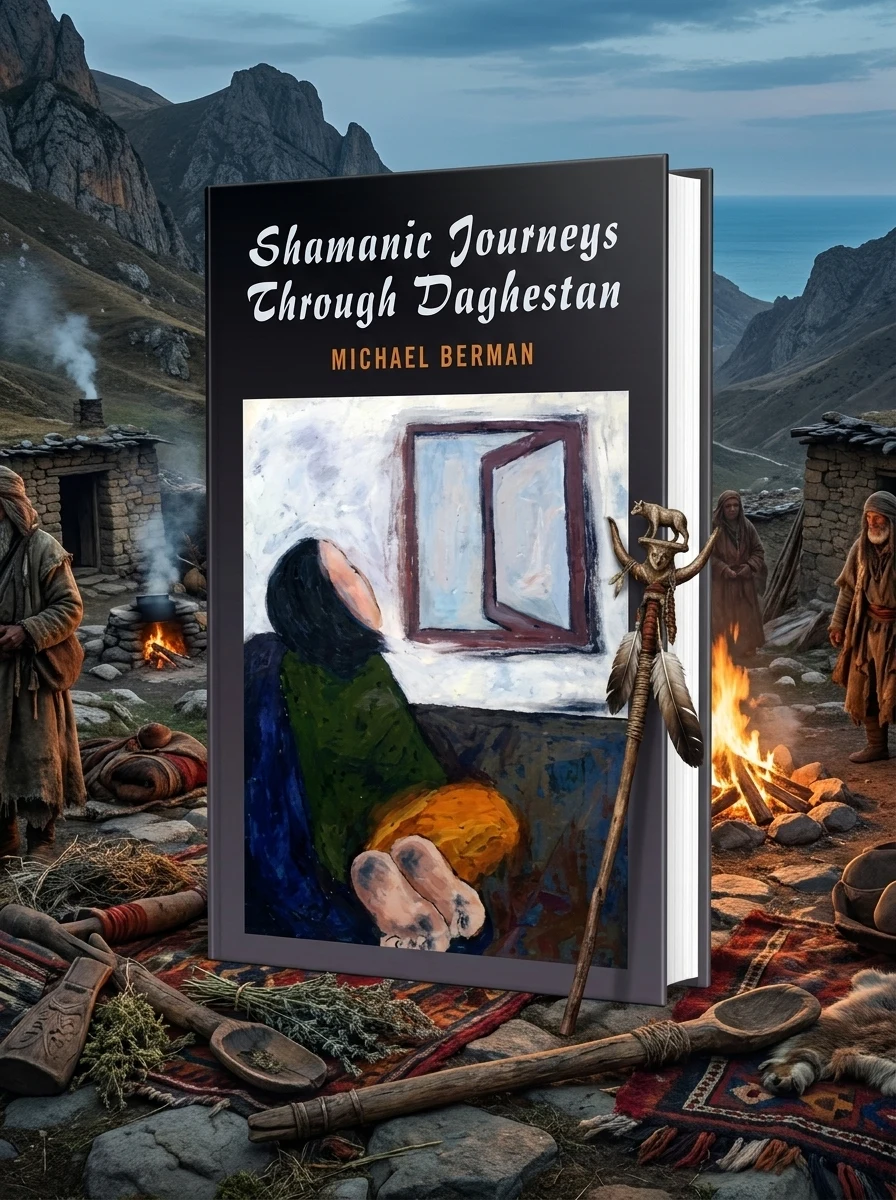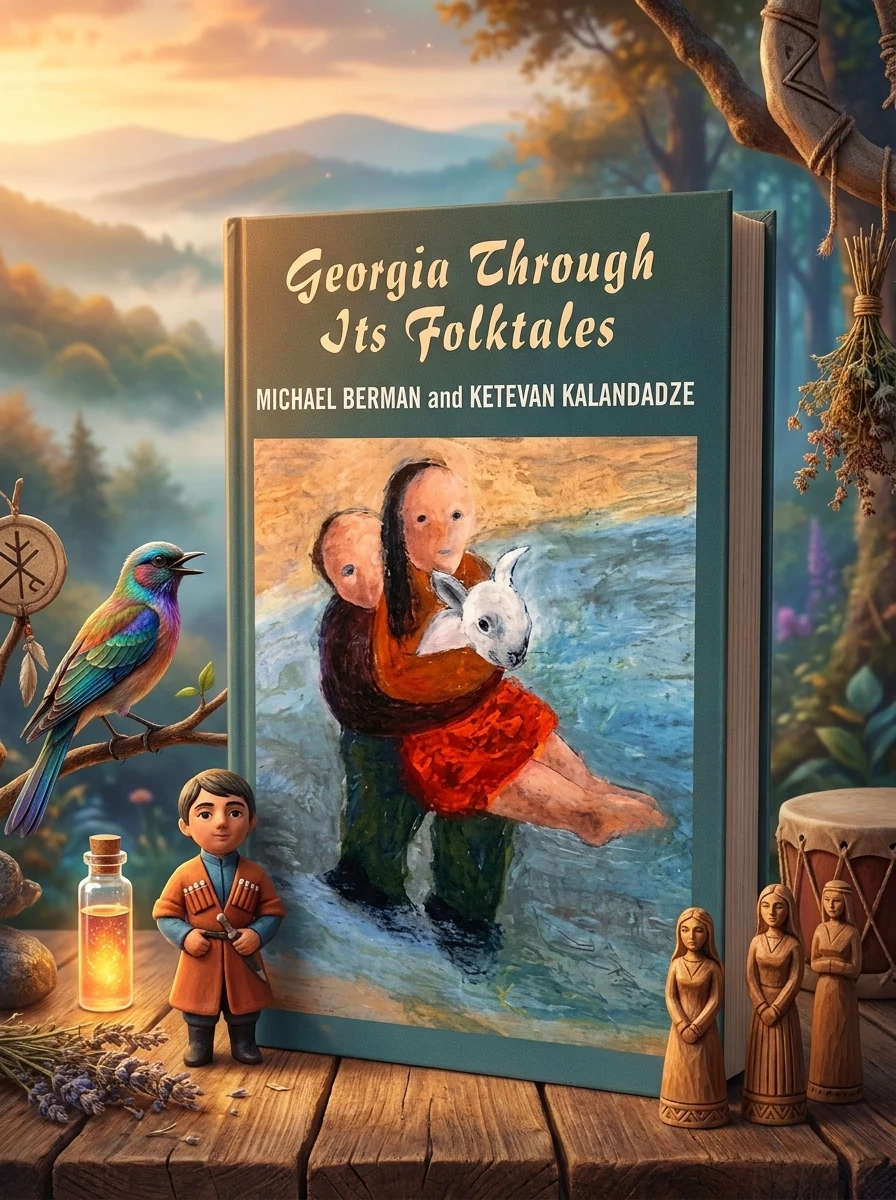
Shamanic Journeys Through the Caucasus
✍️ Berman, Michael PEmbark on a profound expedition into the spiritual bedrock of the Caucasus, a land steeped in forgotten mysteries. This essential volume reconstructs the ancestral religious landscape and sacred rituals of its earliest peoples. By delving deep into the rich tapestry of local folktales, the author uncovers startling insights into the shamanic practices and worldview that once flourished across this rugged, ancient region. It’s a fascinating journey into the very soul of a profound spiritual heritage, offering a unique window into the mystical beliefs that shaped a civilization.


📝 Description: Shamanic Journeys Through the Caucasus
📑 What's inside
- Acknowledgements
- Introduction
- Chapter 1. The Shamanic Story: What is it, and why do we need it?
- Chapter 2. Armenia
- Chapter 3. Chechnya & Ingushetia
- Chapter 4. Azerbaijan
- Chapter 5. Georgia & Abkhaziz
- Chapter 6. North Ossetia
- Chapter 7. Daghestan
- Chapter 8. Conclusions
- Notes
- Bibliography
- Index
💎 Expert review
📖 Why choose it
Why this book is worth reading
Readers deeply fascinated by the roots of European and Asian spiritual traditions will find this volume an indispensable treasure. It serves those who feel a magnetic pull toward the rugged, mysterious landscapes of the Caucasus and wish to understand the primal wisdom embedded within its folklore. If you are intrigued by the hidden shamanic heart of ancient civilizations and seek to uncover the mystical beliefs that shaped early societies, this book offers a unique window into that profound heritage. It is ideal for scholars and enthusiasts alike who crave a reconstruction of sacred rituals and the ancestral worldview, providing a rich tapestry of insights into a forgotten spiritual bedrock.
⭐ Reader reviews
Reader rating
Michael P. Berman delivers a compelling reconstruction of the Caucasus' shamanic past, appealing to those who value deep historical spirituality over modern dogma. The text excels in weaving folklore with ritualistic analysis, offering a vivid portrait of an ancient worldview. However, readers seeking contemporary practical shamanic techniques or step-by-step initiation guides will likely find this work too academic and detached from immediate application. Similarly, skeptics of esoteric history may find the reliance on folklore as historical evidence unconvincing. It is best suited for those willing to engage with abstract cultural anthropology rather than literal truth claims.
❓ Frequently asked questions
📖 Who should read this
If you are drawn to the hidden currents of ancient spirituality, the mystical power of folklore, or the enduring legacy of shamanic wisdom, this book is an indispensable guide. It will illuminate the often-overlooked spiritual heritage of a fascinating and historically rich region.
🎯 Key themes and symbolism
Unearthing Ancient Belief Systems
This book meticulously reconstructs the spiritual worldview of the Caucasus' early inhabitants. Through careful analysis of their oral traditions, it reveals the intricate cosmology, deity worship, and moral frameworks that governed their lives, offering a rare glimpse into a pre-modern sacred understanding that often predates organized religion.
Echoes of Shamanic Rituals
The author skillfully extracts evidence of shamanic traditions embedded within the region's folklore. Readers will discover how ancient practitioners connected with the spirit world, performed healing rituals, and guided their communities, providing a compelling argument for the pervasive influence of shamanism in shaping the spiritual landscape of the Caucasus.
Folklore as Sacred History
This work champions the idea that folktales are not mere stories, but vital repositories of historical and spiritual knowledge. It demonstrates how these narratives preserve fragments of ancient customs, religious practices, and societal structures, making them invaluable keys to understanding the otherwise lost spiritual heritage of a bygone era.
📜 Historical context
📚 Glossary
- Shamanism
- Caucasus
- Folktale
📔 Questions to reflect on
- How might the prevalent folktales of your own culture hint at forgotten spiritual practices or belief systems?
- Consider the role of the 'shaman' figure in ancient societies versus modern spiritual guides. What parallels or divergences do you observe?
- If oral traditions are indeed repositories of sacred history, what responsibilities do we have in preserving and reinterpreting them today?