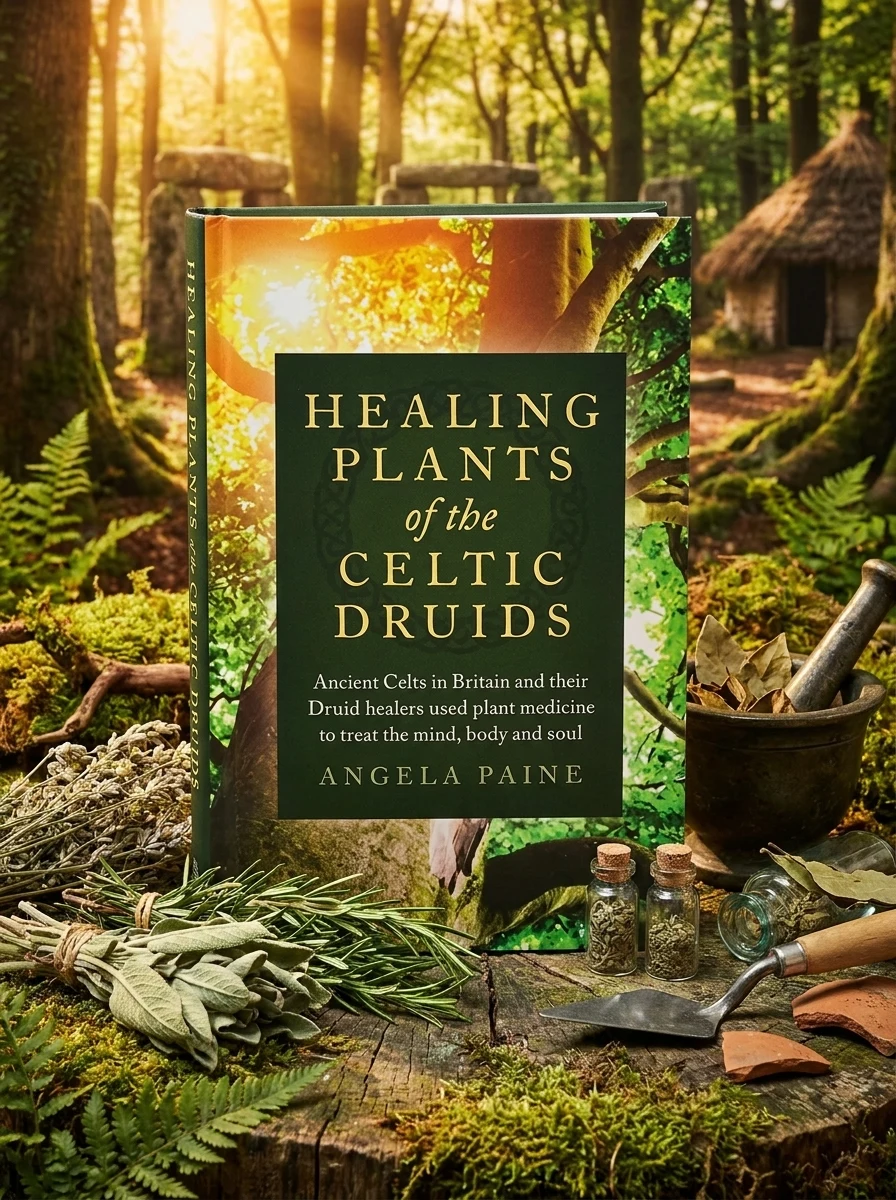
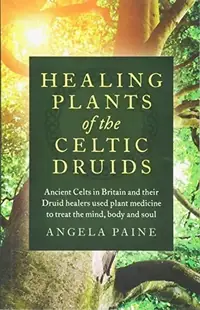
Healing Plants of the Celtic Druids: Ancient Celts in Britain and Their Druid Healers Used Plant Medicine to Treat the Mind, Body and Soul
Paine, AngelaStock reported in the catalog; fulfillment is confirmed with your request.
Ancient Celtic druids wielded plant magic for holistic healing, bridging mind, body, and spirit.
Angela Paine expands her previous work by exploring a fresh array of botanical allies, distinguishing between native British flora and Roman introductions like sage. She synthesizes modern phytochemical analysis with archaeological insights to decode the Druidic approach to wellness. Each entry provides detailed botanical profiles, chemical breakdowns, and practical cultivation advice. This guide serves as a bridge between ancient ritualistic wisdom and contemporary herbal practice, ensuring the reader can authentically replicate these time-honored remedies in their own garden and apothecary.
This work sits at the intersection of Celtic Druidic tradition and modern herbalism, exploring how ancient British healers utilized plant medicine for holistic wellness. It bridges historical archaeological insights with contemporary botanical practice.


📝 Description: Healing Plants of the Celtic Druids: Ancient Celts in Britain and Their Druid Healers Used Plant Medicine to Treat the Mind, Body and Soul
💎 Expert review
📖 Why choose it
Why this book is worth reading
Readers passionate about the intersection of ancient wisdom and modern botanical science will find this guide invaluable. Angela Paine offers a unique synthesis of phytochemical analysis and archaeological evidence, making it ideal for practitioners seeking to authentically replicate Druidic remedies. Those interested in distinguishing native British flora from Roman introductions like sage will appreciate the detailed botanical profiles. It serves as a practical bridge for witches and herbalists who wish to cultivate their own apothecaries using time-honored methods. The book is perfect for anyone wanting to heal mind, body, and soul through plant magic while understanding the scientific basis behind these ancient traditions.
⭐ Reader reviews
Reader rating
A friend in my study group recommended this one. I appreciated how the argument builds steadily from first principles. It's become a regular reference in my practice. Glad I finally picked this up.
Exactly what I was looking for. The text itself is dense but rewarding — you get out what you put in. Not a light read, but far more accessible than I feared. Happy enough with the purchase.
Paine’s text is a robust resource for those seeking depth in Celtic herbalism, offering rigorous botanical profiles and chemical breakdowns. However, it may not suit readers looking for purely mythological narratives or simple folk remedies without scientific backing. The focus on distinguishing native versus Roman flora requires attention to detail that casual enthusiasts might find dry. While the practical cultivation advice is excellent, those seeking immediate ritualistic applications without botanical context may feel the text is too academic. It is best suited for serious practitioners ready to engage with both history and science.
❓ Frequently asked questions
📖 Who should read this
Modern herbalists, Druidry practitioners, and history enthusiasts seeking to reconnect with ancient British botanical wisdom. Ideal for those who wish to blend scientific understanding with spiritual practice in their daily healing rituals.
🎯 Key themes and symbolism
Botanical Archaeology and Science
The text merges cutting-edge scientific data regarding plant constituents with recent archaeological findings. This dual approach validates ancient Druidic practices through modern understanding, proving that historical plant medicine was grounded in observable, chemical reality rather than mere superstition.
Holistic Druidic Healing
Celtic healers viewed health as an integration of mind, body, and soul. The book details how specific plants were chosen not just for physical symptoms, but for their ability to restore spiritual balance, reflecting the Druidic belief that illness often stemmed from spiritual disconnection.
Cultivation and Application
Beyond theory, the work offers actionable advice on growing, harvesting, and preserving plants. It covers both native British species and Roman-introduced herbs, providing clear instructions for modern practitioners to cultivate their own medicinal gardens and prepare effective tinctures and teas.
💬 Quotes from the book
“Combining the latest scientific data on the healing properties of the herbs used by the ancient Celts with recent archaeological discoveries.”
“Essential guide for treating the mind, body and soul.”
📜 Historical context
📚 Glossary
- Materia Medica
- Phytochemical
- Druidic
📔 Questions to reflect on
- Which native British plant resonates with your current spiritual needs, and how might you cultivate it?
- How does the concept of 'mind-body-soul' healing differ from your current understanding of herbalism?
- What Roman-introduced herbs do you already use, and how might their historical context deepen your practice?
✍️ More books by this author Paine, Angela
All books by this author →
🏛 Books from this publisher Moon Books
All books from this publisher →
 81
81
 89
89
You might also like
See more →

 91
91
 91
91