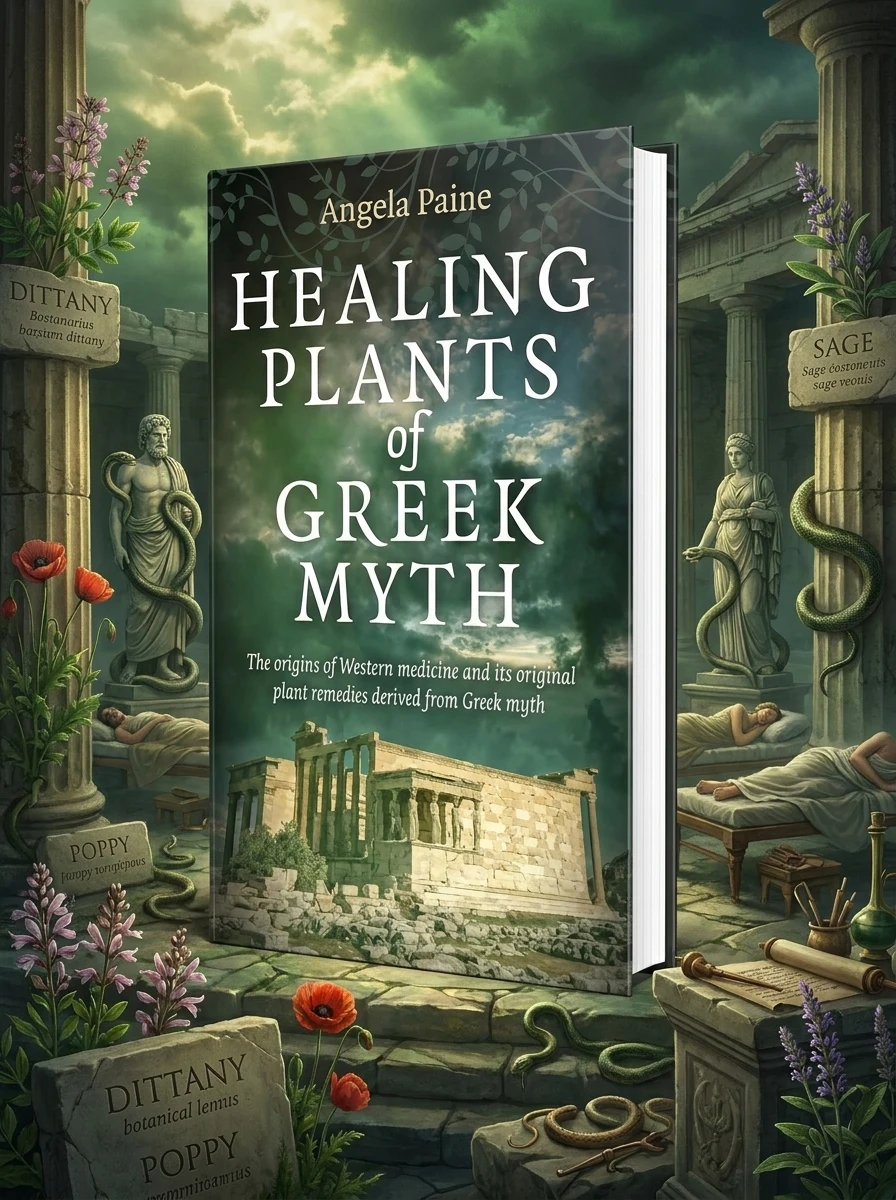
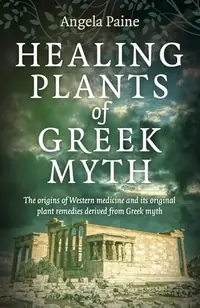
Healing Plants of Greek Myth: The Origins of Western Medicine and Its Original Plant Remedies Derived from Greek Myth
Paine, AngelaThis edition can be ordered. No arrival date is confirmed.
Uncover the forgotten botanical magic woven into the very fabric of Greek mythology.
This insightful volume explores the profound connection between ancient Greek myths and the foundational principles of Western medicine. It reveals how divine narratives frequently feature plants employed for healing or enchantment, many of which lent their names to modern botanical classifications. From the serpent-laden sanctuaries of Asclepius to the earliest documented medical practices, the book traces the evolution of Greek healing arts. Discover how these mythic origins shaped the practices of figures like Hippocrates and Galen, focusing especially on sacred trees and their medicinal properties.
This work sits at the intersection of classical studies and esoteric botany, bridging ancient Greek mythological traditions with the historical development of Western medical practices. It explores how divine narratives and sacred plants formed the foundational bedrock for later pharmacological classifications.


📝 Description: Healing Plants of Greek Myth: The Origins of Western Medicine and Its Original Plant Remedies Derived from Greek Myth
💎 Expert review
📖 Why choose it
Why this book is worth reading
This book is a vital resource for practitioners of herbalism, historians of medicine, and those fascinated by the hidden botanical threads within Greek mythology. Readers who appreciate the symbolic weight of plants in ancient narratives will find immense value in tracing how these sacred trees and remedies influenced early medical thought. It offers a unique perspective on the origins of Western medicine, revealing how divine stories were not merely tales but practical guides for healing arts. By connecting mythic origins to figures like Hippocrates and Galen, it provides a deeper understanding of the cultural and spiritual context that shaped early pharmacology. If you seek to uncover the forgotten magic behind modern botanical classifications, this volume serves as an essential guide to the roots of your practice.
⭐ Reader reviews
Reader rating
Angela Paine offers a compelling exploration of the link between Greek myths and Western medicine, highlighting how divine narratives influenced early healing arts. The focus on sacred trees and their medicinal properties provides a fresh angle on classical studies. However, readers seeking rigorous scientific data or modern pharmacological analysis may find this text too reliant on mythic interpretation rather than empirical evidence. It is best suited for those interested in the historical and symbolic origins of medicine rather than contemporary clinical applications. The connection to figures like Galen is interesting but remains rooted in ancient contexts. While it successfully reveals the profound connections between mythology and early medical practices, it may disappoint readers looking for a purely academic or scientific treatise on plant remedies.
❓ Frequently asked questions
📖 Who should read this
If you're fascinated by the hidden connections between ancient myths, herbal lore, and the very roots of modern medical practice, this book offers a compelling journey. It's for curious minds eager to explore the mystical and practical side of Greek antiquity and the development of healing arts.
🎯 Key themes and symbolism
Mythological Botanical Connections
Delve into how Greek deities and their sagas are inextricably linked with specific plants. This section explores the symbolic and practical uses of flora within divine narratives, revealing a rich tapestry where mythic exploits dictate botanical significance and therapeutic potential, shaping ancient perceptions of nature's power.
Origins of Western Medicine
Trace the historical trajectory from the mystical healing rites at Asclepieia to the scientific foundations laid by early Greek physicians. The book illuminates how ancient practices, often intertwined with mythological belief and temple rituals, gradually gave rise to the structured medical traditions we recognize today, emphasizing observation and remedies.
Sacred Trees & Healing
Uncover the profound reverence and medicinal utility attributed to trees in ancient Greece. This theme explores how specific arboreal species were considered sacred, their mythical associations enhancing their perceived healing powers, forming a crucial part of the ancient pharmacopoeia and spiritual practices.
💬 Quotes from the book
“The olive tree, sacred to Athena, was not merely a symbol of peace, but a venerable pharmacopoeia, its leaves and oil revered for their profound healing properties across the ancient Mediterranean.”
“Before the scalpel and the systematic diagnosis, the whispers of the gods guided the physician, revealing remedies hidden within the forest and field, linking divine narrative to earthly cure.”
📜 Historical context
📚 Glossary
- Asclepius
- Hippocratic Corpus
- Latin Binomials
📔 Questions to reflect on
- How might our perception of natural remedies shift if we reconnected them with the rich mythological narratives and divine associations of ancient cultures?
- Consider a modern medicinal plant you know well; what mythical story or deity could you imagine being associated with its properties and uses?
- In what ways do you see ancient Greek medical philosophies, rooted in myth and nature, still influencing contemporary holistic healing practices and our view of wellness?
✍️ More books by this author Paine, Angela
All books by this author →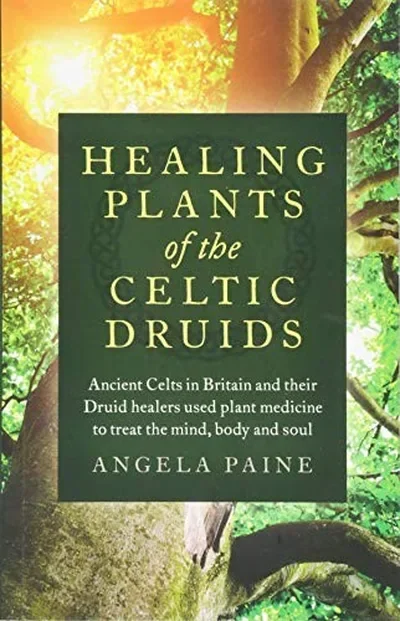
🏛 Books from this publisher Moon Books
All books from this publisher →


 81
81

 89
89



You might also like
See more →

 91
91


 91
91