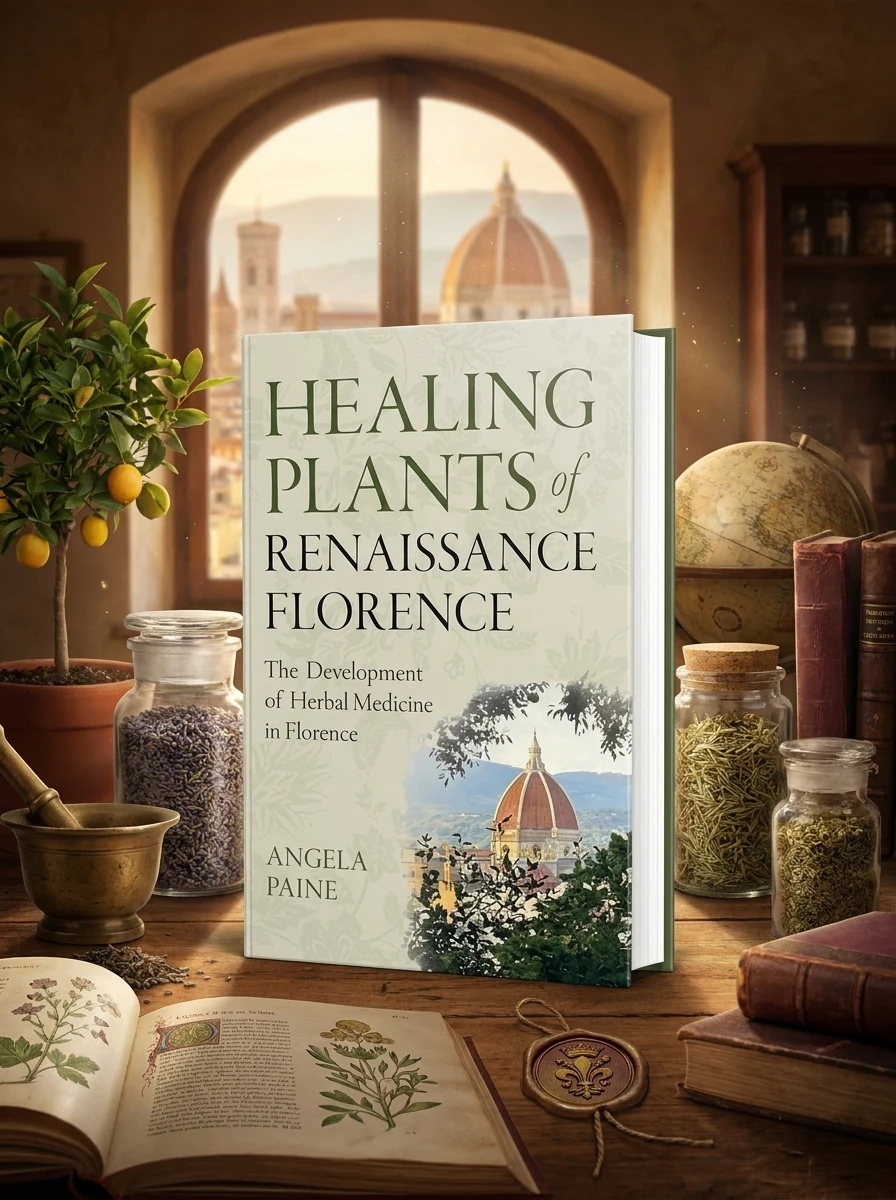
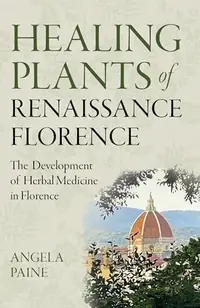
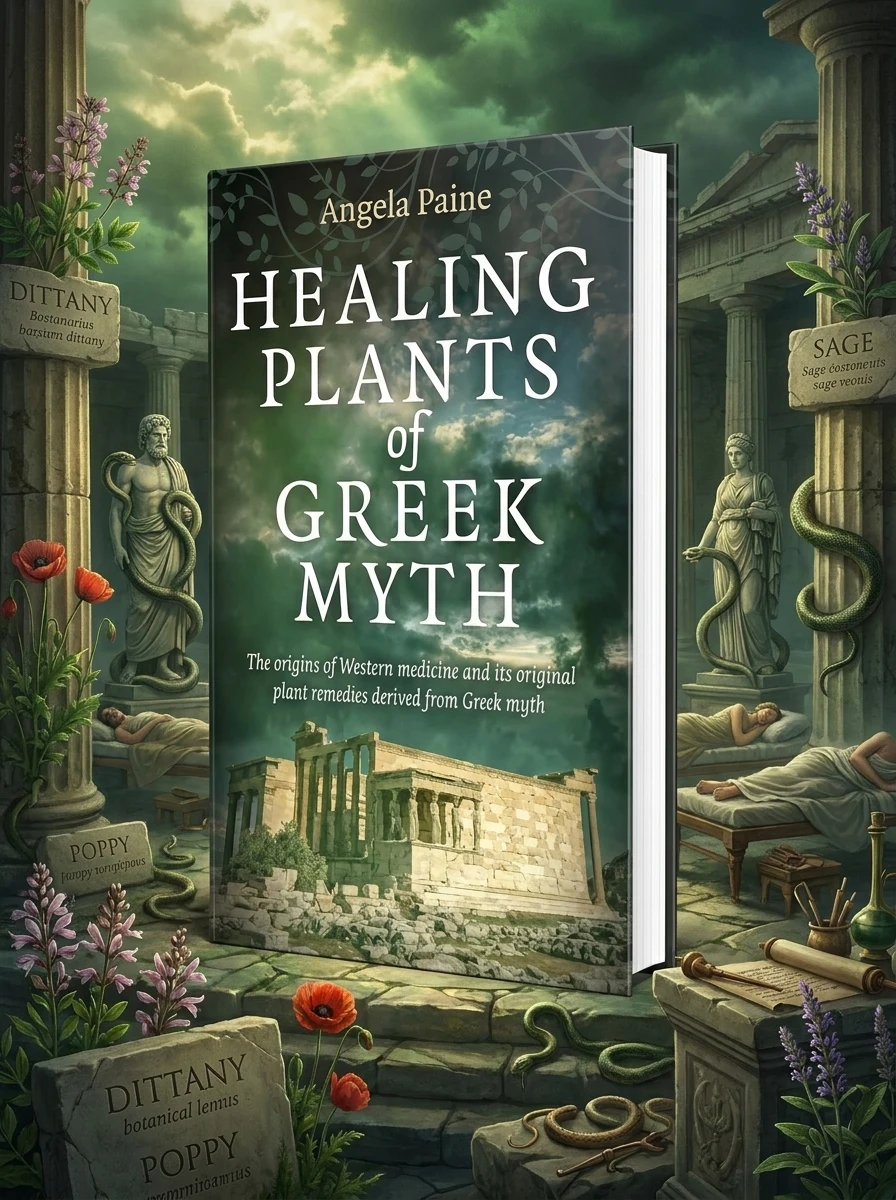
Healing Plants of Renaissance Florence: The Development of Herbal Medicine in Florence
Paine, AngelaThis edition can be ordered. No arrival date is confirmed.
Unearth Florence's hidden botanical secrets and the Medici's alchemical healing legacy.
Delve into the vibrant world of Renaissance Florence, where the influential Medici family, pioneers of banking and patronage, meticulously cultivated the art and science of plant medicine. This compelling narrative traces their profound impact on herbal healing, from establishing the first academic botanical gardens and hospital to revolutionizing the teaching of "simples" at the University of Pisa. Discover how Cosimo I de Medici and his descendants utilized specific plants in their alchemical pursuits, with detailed explorations of their historical uses, chemical properties, and surprisingly relevant healing potential for today's practitioners and enthusiasts alike.
This work bridges the rich traditions of Renaissance herbalism and Medici patronage with the esoteric history of alchemical medicine in Florence. It serves as a historical anchor for those interested in the intersection of banking, botany, and occult healing practices.


📝 Description: Healing Plants of Renaissance Florence: The Development of Herbal Medicine in Florence
💎 Expert review
📖 Why choose it
Why this book is worth reading
Enthusiasts of Renaissance history and occult botany will find profound value in this text, particularly those fascinated by the Medici family's dual legacy as banking pioneers and alchemical healers. It offers a unique lens through which to view the development of academic botanical gardens and the teaching of 'simples' at the University of Pisa. Practitioners seeking historical context for modern herbal medicine will appreciate the detailed exploration of specific plants used in alchemical pursuits. By connecting historical chemical properties with surprising relevance for today’s users, the book provides both scholarly depth and practical inspiration. It is essential reading for anyone wishing to understand how Florence’s hidden botanical secrets shaped the trajectory of Western esoteric healing traditions.
⭐ Reader reviews
Reader rating
Paine offers a compelling narrative that effectively links Medici patronage with the evolution of herbal medicine in Florence. The exploration of Cosimo I de Medici’s alchemical pursuits and the establishment of the first academic botanical gardens provides fresh insight into Renaissance occultism. However, readers seeking purely mystical or magical incantations may find the focus on banking history and institutional development somewhat dry. It is not suited for those who prefer speculative fiction over historical analysis of 'simples.' The strength lies in its factual grounding of esoteric practices within a tangible historical framework, making it a valuable resource for serious students of Renaissance alchemy rather than casual fantasy readers.
❓ Frequently asked questions
📖 Who should read this
If you're drawn to the intricate history of medicine, the alchemical traditions of the Renaissance, or the profound healing power of plants, this book offers a captivating journey. It’s perfect for herbalists, historians, and anyone curious about the Medici's lesser-known contributions to botanical science.
🎯 Key themes and symbolism
Medici Botanical Legacy
Explore how the powerful Medici dynasty transcended mere political and financial influence to become pivotal patrons of botanical science. Their foresight in establishing dedicated plant collections and academic chairs dramatically shifted herbal medicine from folk practice to a respected, systematic discipline, laying foundations for modern pharmacology amidst the Renaissance.
Renaissance Herbal Alchemy
Uncover the fascinating intersection of botanical knowledge and alchemical experimentation within Florentine elite circles. The book illuminates how plants were not merely remedies but subjects of intense study, their properties investigated for both physical healing and deeper, transformative processes, reflecting the era's holistic approach to nature and consciousness.
Enduring Plant Wisdom
Beyond historical recounting, this work bridges centuries by revealing the contemporary relevance of these ancient healing plants. Through scientific analysis of their chemistry and documented medicinal properties, readers gain insight into how Renaissance botanical knowledge continues to inform and inspire modern herbalism and pharmaceutical research, connecting past insights with present applications.
💬 Quotes from the book
“The verdant expanse of the botanical garden was not merely a collection of exotic flora, but a living library, its leaves and roots whispering ancient cures and alchemical possibilities to those with the wisdom to listen.”
“While modern pharmacology isolates active compounds, the Florentine alchemists understood the synergistic dance of a plant's full spectrum. We are only now beginning to fully appreciate their holistic perspective.”
📜 Historical context
📚 Glossary
- Simples
- Alchemy
- Patronage
📔 Questions to reflect on
- Consider how the economic power of the Medici directly influenced the development of scientific thought and medical practice. What parallels might exist today?
- Reflect on the concept of "simples" versus complex herbal preparations. How might a focus on individual plant properties shape your own understanding of healing?
- If you were to establish a modern botanical garden dedicated to esoteric or healing plants, what principles would guide its design and purpose?
✍️ More books by this author Paine, Angela
All books by this author →
🏛 Books from this publisher Moon Books
All books from this publisher →


 81
81
 89
89

You might also like
See more →
 91
91

 91
91