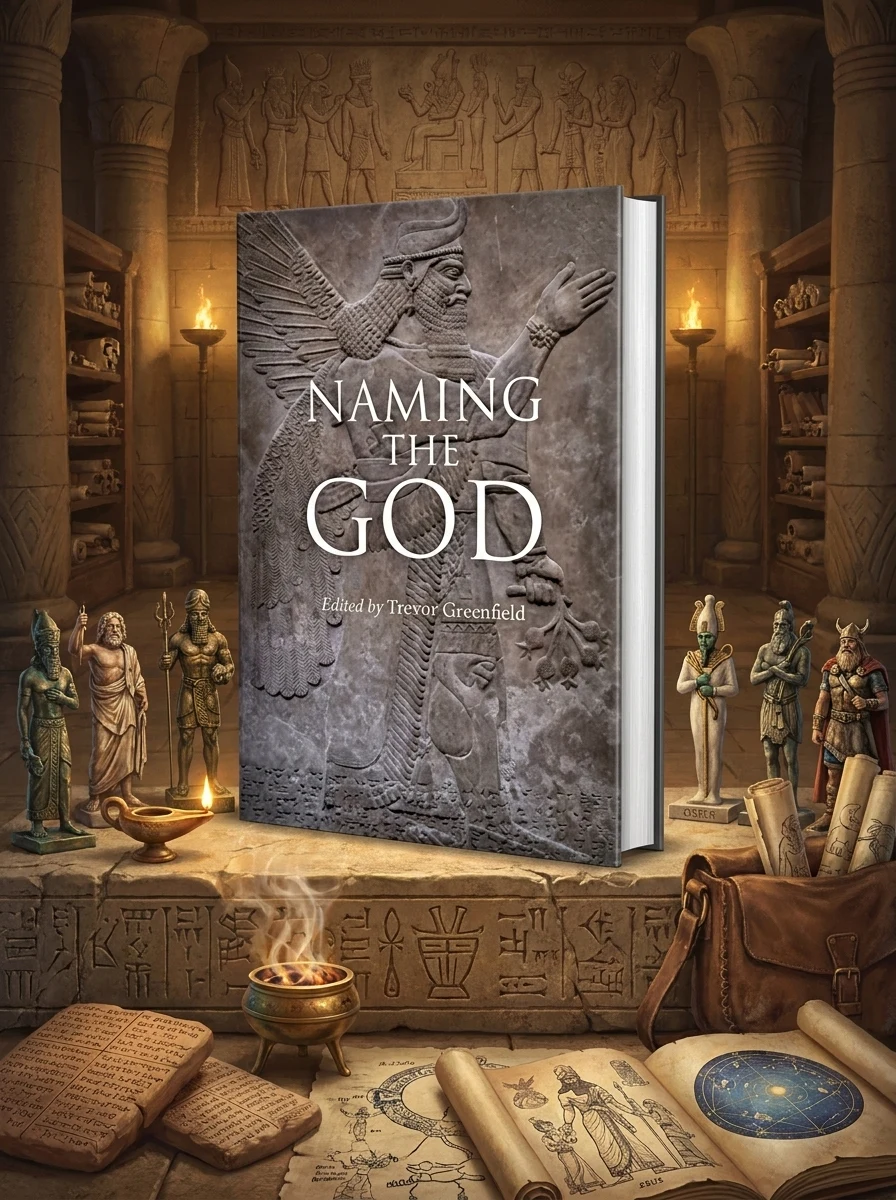
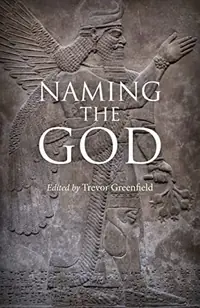
Naming the God
Greenfield, TrevorThis edition can be ordered. No arrival date is confirmed.
Uncover the multifaceted spirits of the divine masculine across diverse traditions.
This compelling volume, serving as a companion to the renowned "Naming the Goddess," delves into the often-overlooked pantheon of male deities. Through a collection of insightful critical essays, it explores various aspects of the divine masculine, offering nuanced perspectives on their roles, symbology, and historical significance. Additionally, it features an expansive spiritual gazetteer, meticulously cataloging over fifty distinct gods from cultures worldwide. It's an essential resource for those seeking a deeper understanding of the masculine principle within spiritual and religious frameworks.
This volume functions as a companion piece to 'Naming the Goddess,' situating itself within contemporary occult literature that seeks to balance the exploration of divine archetypes. It bridges esoteric study with comparative mythology, addressing the historical neglect of male deities in modern spiritual frameworks.


📝 Description: Naming the God
💎 Expert review
📖 Why choose it
Why this book is worth reading
Readers who have engaged with 'Naming the Goddess' will find this text an indispensable counterpart, offering a necessary counterbalance to traditional esoteric narratives. It is specifically designed for those seeking a deeper, more nuanced understanding of the masculine principle within spiritual and religious contexts. By exploring the multifaceted spirits of the divine masculine across diverse global traditions, it provides essential insights into roles, symbology, and historical significance. The inclusion of an expansive spiritual gazetteer cataloging over fifty distinct gods makes it a practical resource for practitioners and scholars alike who wish to broaden their perspective on the pantheon of male deities often overlooked in modern occult discourse.
⭐ Reader reviews
Reader rating
This compelling volume serves as a vital companion to its predecessor, meticulously exploring the often-overlooked pantheon of male deities through critical essays and an expansive spiritual gazetteer. It is an essential resource for those seeking a deeper understanding of the masculine principle within spiritual frameworks, offering nuanced perspectives on symbology and historical significance across diverse cultures. However, it may not suit readers seeking straightforward mythological retellings or those uninterested in academic analysis of divine archetypes. The text requires a willingness to engage with critical essays rather than simple narrative storytelling, making it best suited for dedicated students of esoteric philosophy who value comprehensive cataloging and comparative study over accessible folklore.
❓ Frequently asked questions
📖 Who should read this
If you are a student of comparative religion, a practitioner of modern paganism, or simply curious about the masculine face of the divine, this book offers profound insights. It's perfect for those seeking to broaden their spiritual understanding beyond a singular focus.
🎯 Key themes and symbolism
Exploring Male Divinity
The book undertakes a profound examination of male deities, moving beyond simplistic archetypes to uncover the complex and varied expressions of the divine masculine. It invites readers to engage with the power, wisdom, and sometimes challenging aspects embodied by these figures, providing a more balanced view of spiritual principles often overshadowed by feminine focused studies.
Critical Essay Collection
Through a series of scholarly essays, the work offers a critical and academic approach to understanding male gods. These contributions from various experts provide diverse perspectives, analytical depth, and historical context, encouraging readers to think deeply about the nature of divinity and its cultural manifestations rather than merely accepting traditional narratives.
Divine Gazetteer & Reference
A significant portion of the book is dedicated to a comprehensive spiritual gazetteer, meticulously detailing over fifty male deities. This section serves as an invaluable reference, offering concise yet informative profiles of gods from numerous pantheons, making it an excellent resource for research, spiritual practice, and comparative mythology studies.
💬 Quotes from the book
“The masculine divine manifests in myriad forms.”
“Understanding ancient rites informs modern spiritual paths.”
📜 Historical context
📚 Glossary
- Paganism
- Deity
- Gazetteer
📔 Questions to reflect on
- Which male deity presented in the gazetteer resonates most strongly with you, and why? What qualities do you find compelling?
- How does exploring the divine masculine challenge or expand your understanding of spirituality, especially in relation to the divine feminine?
- Consider one of the critical essays mentioned; how might a 'critical' perspective alter your view of a traditionally understood god or mythological figure?
✍️ More books by this author Greenfield, Trevor
All books by this author →
 85
85

 86
86


🏛 Books from this publisher Moon Books
All books from this publisher →

 81
81

 89
89



You might also like
See more →

 81
81
 91
91
 91
91