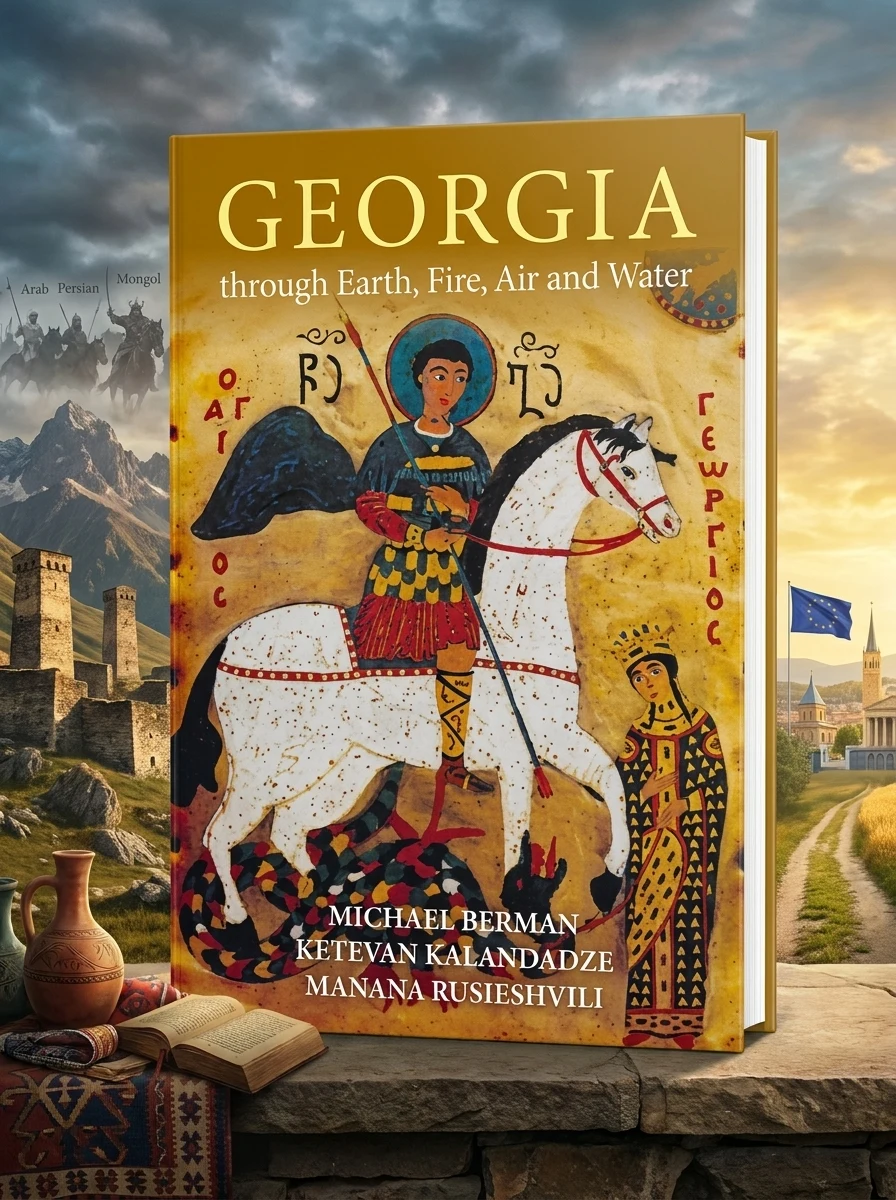
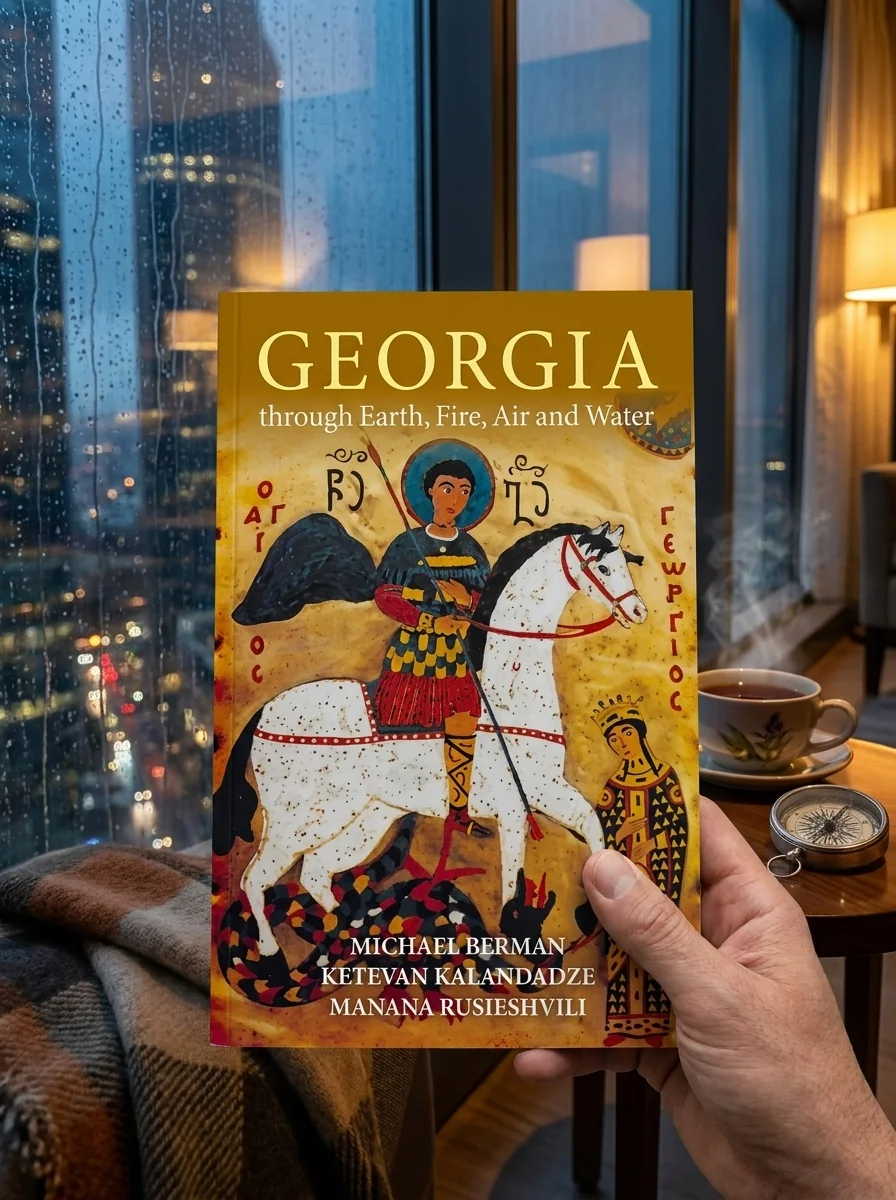
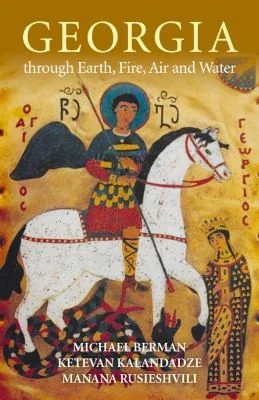
Georgia through Earth, Fire, Air and Water
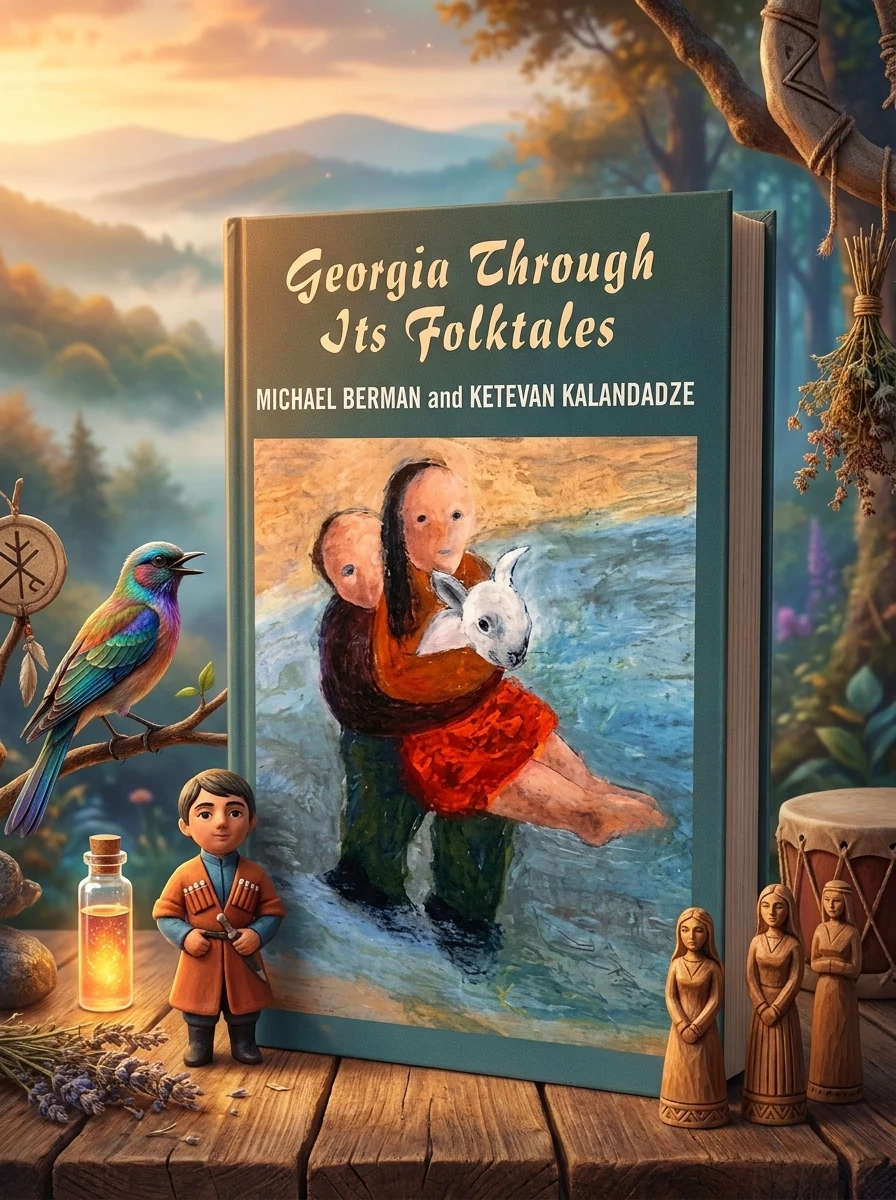
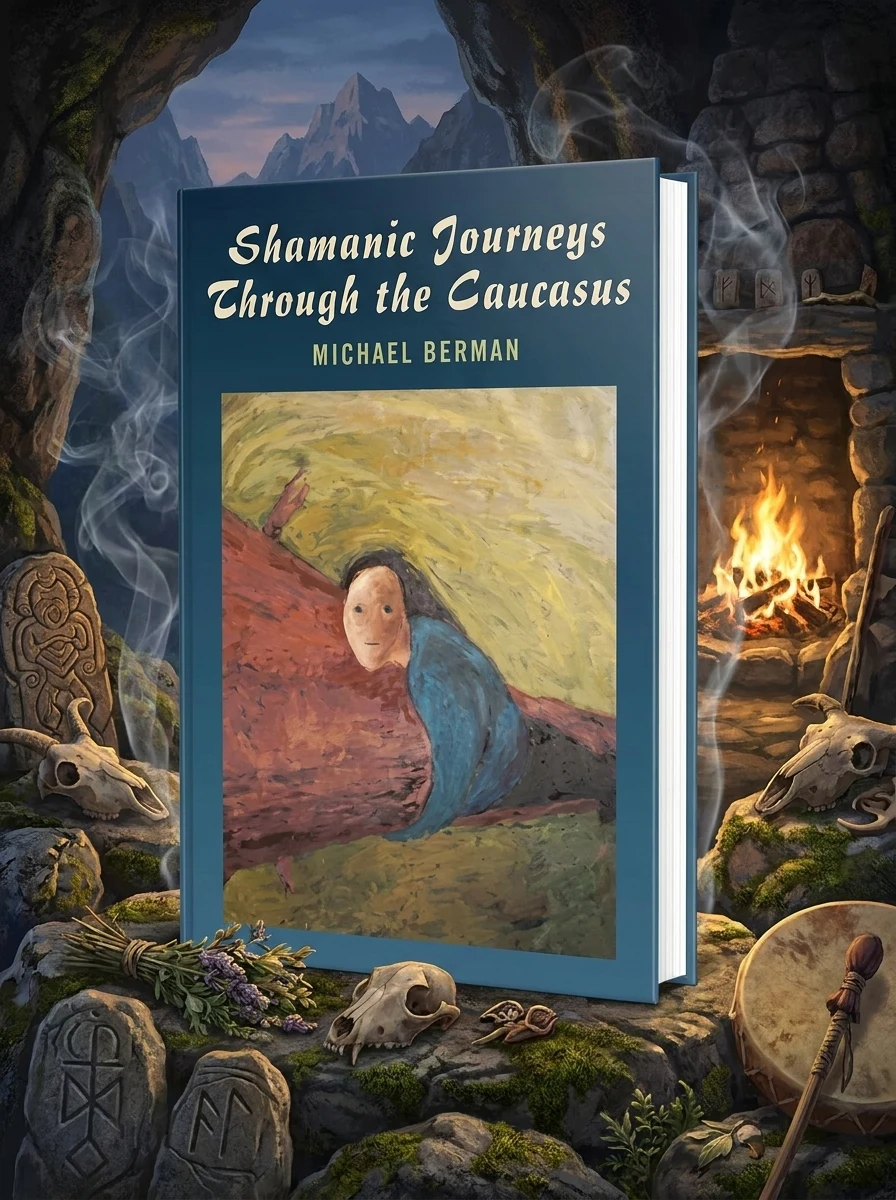
✍️ Berman, Michael PThis compelling collection unveils Georgian folktales, many translated directly into English for the first time, offering a vibrant window into a rich, action-packed narrative tradition. Far from the introspective literary novel, these stories prioritize swift events and potent imagery, showcasing heroes and heroines navigating a world deeply connected to the elements of earth, fire, air, and water. Readers will discover a distinct storytelling voice, where concise descriptions and formulaic expressions drive the narrative forward, reflecting a culture shaped by both European aspirations and a history of diverse influences.


📝 Description: Georgia through Earth, Fire, Air and Water
💎 Expert review
📖 Why choose it
Why this book is worth reading
Readers seeking a visceral connection to primal nature will find profound satisfaction in this collection. It is ideal for those who prefer dynamic, action-driven narratives over introspective character studies. If you appreciate the raw power of elemental magic and wish to explore how earth, fire, air, and water shape heroic journeys, this book offers a unique window into Georgian culture. The direct translations provide an authentic voice, allowing the concise, formulaic storytelling style to shine without unnecessary embellishment. It is a perfect addition for collectors of esoteric folklore who value swift pacing and potent imagery in their literary discoveries.
⭐ Reader reviews
Reader rating
This collection stands out for its vibrant portrayal of Georgian folktales, offering a refreshing alternative to the introspective novel. The emphasis on swift events and elemental forces creates an engaging, action-packed experience that highlights a distinct storytelling voice. However, readers expecting deep psychological analysis or modern narrative complexity may find the formulaic expressions and concise descriptions limiting. It is not suited for those who prefer slow-burn character development or extensive historical context over mythic immediacy. For fans of raw, unadorned folklore, it is a compelling discovery; for others, it may feel too starkly traditional.
❓ Frequently asked questions
📖 Who should read this
If you are captivated by world folklore, appreciate fast-paced narratives, or seek a fresh perspective on ancient myths, this collection is for you. Readers curious about the rich cultural tapestry of the Caucasus will find these stories particularly enlightening.
🎯 Key themes and symbolism
Elemental Power
The book's narratives are imbued with the raw, untamed forces of nature. Earth, Fire, Air, and Water are not mere backdrops but active participants, shaping destinies and providing challenges or boons. These tales serve as a potent reminder of humanity's ancient connection to the natural world, a stark contrast to our modern, often detached, urban existence.
Resilient Cultural Identity
Through these stories, one can perceive the enduring spirit of Georgia. Despite centuries of external pressures and invasions, the tales convey a distinct cultural voice that, while situated on the edge of Europe and Asia, firmly identifies with European traditions. This resilience and unique cultural position are woven into the fabric of the narratives.
Concise Storytelling
A defining characteristic of these folktales is their direct, action-oriented style. Unlike contemporary literature that might delve into detailed descriptions, these narratives employ brief adjectives or established formulas to convey character and setting. This approach keeps the pace brisk, focusing on plot progression and the immediate impact of events rather than elaborate exposition.
📜 Historical context
📚 Glossary
- Folktale
- Caucasus
- Elementalism
📔 Questions to reflect on
- How do the elemental forces in these stories compare to their representation in other mythologies or fairy tales you know?
- Considering Georgia's historical context, what themes of resilience, cultural identity, or adaptation resonate most strongly in these narratives?
- Reflect on the impact of a concise, action-driven narrative style. What is gained, and what might be lost, compared to more descriptive storytelling?