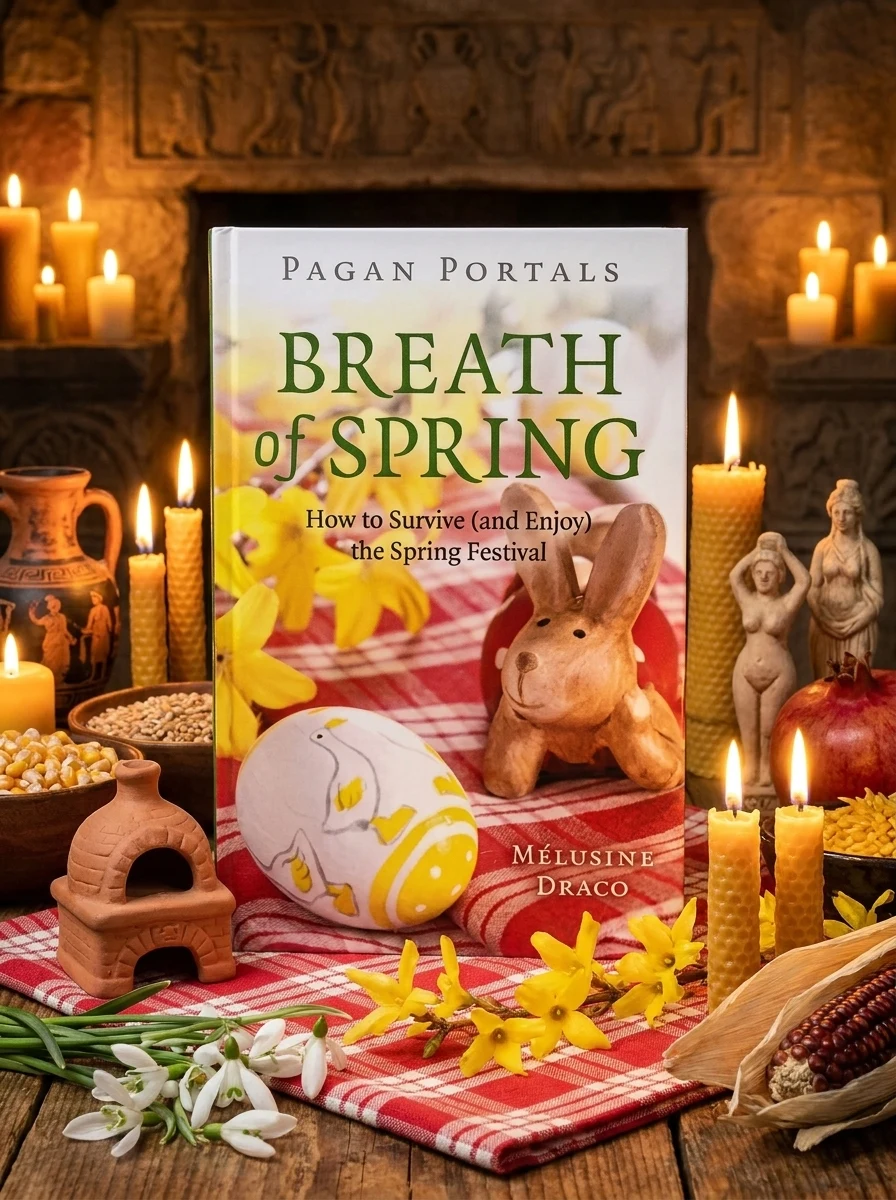
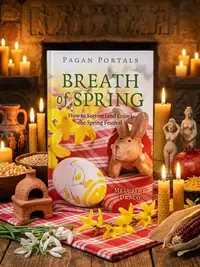
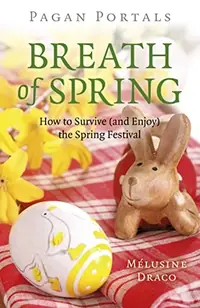
Pagan Portals - Breath of Spring: How to Survive (and Enjoy) the Spring Festival
Draco, MelusineThis edition can be ordered. No arrival date is confirmed.
Unearth the ancient magic of Imbolc, where light returns and the earth awakens.
This insightful guide delves into the rich origins of Imbolc/Candlemas, exploring its roots in European pre-urban agricultural rites. It traces the re-awakening of the "Old Lass" and the veneration of goddesses like Brigid, Fornax, and Persephone, whose stories intertwine with the return of light and fertility. Discover how these ancient observances, from crafting effigies to lighting bonfires, seamlessly merged with Roman festivals and later transformed into Christian traditions like Candlemas, offering a vibrant tapestry of seasonal celebration.
This work sits firmly within the modern pagan and Wiccan tradition, specifically focusing on the seasonal Wheel of the Year and Celtic-European folk magic. It bridges ancient pre-urban agricultural rites with contemporary spiritual practice.


📝 Description: Pagan Portals - Breath of Spring: How to Survive (and Enjoy) the Spring Festival
💎 Expert review
📖 Why choose it
Why this book is worth reading
Readers seeking to deepen their connection with the returning light of Imbolc will find this guide invaluable for understanding the festival's deep agricultural roots. It appeals especially to those interested in goddess veneration, offering a vibrant tapestry of how ancient observances merged with Roman festivals and later Christian traditions. Those who enjoy crafting effigies, lighting bonfires, or exploring the figure of the 'Old Lass' will appreciate the seamless blend of history and ritual. It is perfect for practitioners wanting to enrich their Spring Festival celebrations by uncovering the magic behind Candlemas and the re-awakening of fertility deities like Persephone and Fornax.
⭐ Reader reviews
Reader rating
This title offers a compelling look at Imbolc’s pre-urban origins, effectively tracing the lineage from ancient European rites to modern Wiccan practice. However, it may not suit readers seeking strictly historical academic rigor or those uninterested in goddess-centric theology. The narrative focuses heavily on mythological intertwining rather than practical spellwork, which might disappoint seekers of immediate ritual instructions. While the exploration of Brigid and Persephone is engaging for fans of comparative mythology, skeptics of esoteric traditions may find the tone overly reverent. It stands as a strong resource for those already invested in the Wheel of the Year who wish to contextualize their Spring celebrations within a broader historical framework.
❓ Frequently asked questions
📖 Who should read this
If you seek to deepen your connection to the Wheel of the Year, understand the historical layers beneath contemporary spring festivals, or enrich your Imbolc practice with ancient wisdom, this guide is an essential companion for your journey.
🎯 Key themes and symbolism
Ancient Spring Rites
Explore the profound agricultural origins of Imbolc, linking it to European pre-urban cultures. Delve into the practices of early communities who honored the earth's re-awakening, celebrated the bounty of the harvest, and commemorated the vital role of goddesses like Fornax in ensuring fertility and sustenance for their people.
Goddess Lore Unveiled
Uncover the powerful feminine deities central to spring's renewal. From the mysterious 'Old Lass' of Old Craft to the revered Celtic Brigid, the Roman Fornax, and the Greek Persephone, this book illuminates their myths and rituals, demonstrating their enduring influence on seasonal observances and the return of life.
Tradition & Transformation
Witness the fascinating evolution of pagan spring festivals into modern celebrations. The book meticulously traces how ancient observances, such as those for Brigid, merged with Roman ceremonies like Candelaria and Fornicalia, eventually transforming into Christian Candlemas. It highlights the syncretic nature of spiritual practices over centuries.
💬 Quotes from the book
“The re-awakening of the Old Lass within Old Craft belief is not merely a seasonal shift, but a profound resonance with the Earth's very pulse.”
“From the humble bundle of oats to the sacred bonfire, each ancient custom whispers tales of light's triumphant return.”
📜 Historical context
📚 Glossary
- Imbolc
- Fornicalia
- Brigid's Cross
📔 Questions to reflect on
- How do you personally experience the 're-awakening' described in spring festivals, and what rituals, ancient or modern, help you connect with this energy?
- Reflect on a time you witnessed a tradition (pagan or otherwise) transform or merge with another. What does this reveal about human spirituality and adaptation?
- Consider the role of light in your own spiritual or seasonal practices. How can you more intentionally honor the 'return of the light' during the spring season?
✍️ More books by this author Draco, Melusine
All books by this author →
 75
75
🏛 Books from this publisher Moon Books
All books from this publisher →
 81
81
 89
89
You might also like
See more →
 87
87