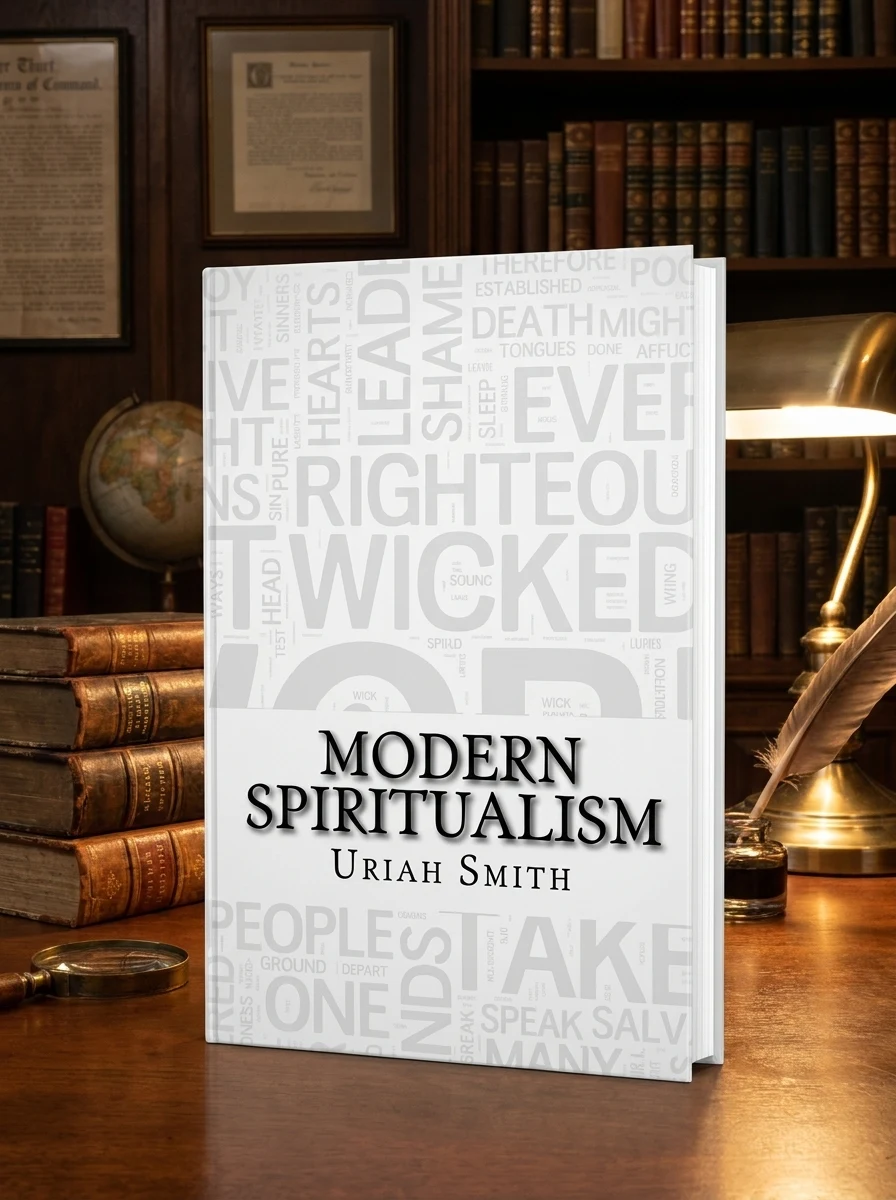
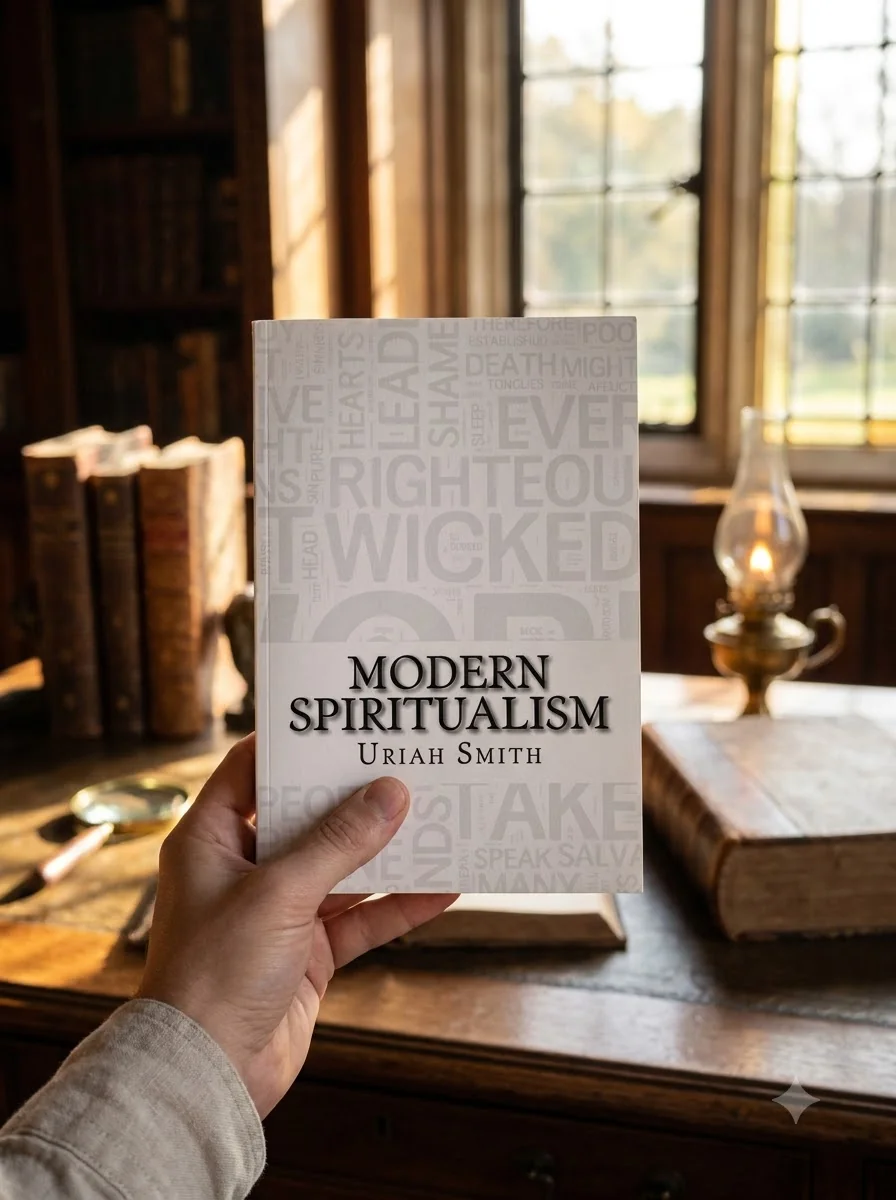
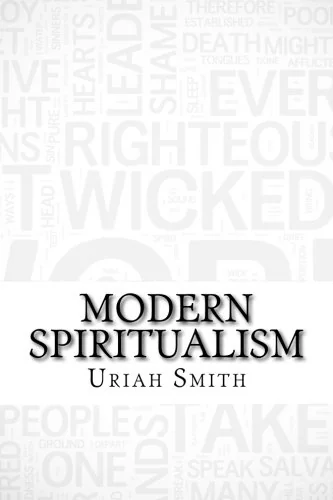
Modern Spiritualism
✍️ Smith, UriahDive into a foundational 19th-century critique of spiritualism, authored by a prominent religious scholar. This volume meticulously dissects the burgeoning spiritualist movement, examining its claims, practices, and theological implications from a devoutly Christian viewpoint. It offers a historical survey of its rise, analyzes its purported phenomena, and scrutinizes its philosophical underpinnings. Readers will gain insight into how spiritualism was perceived and challenged by contemporary religious thought, exploring its perceived deviations from established biblical truths and its potential for deception. A crucial text for understanding spiritualism's early reception.


📝 Description: Modern Spiritualism
💎 Expert review
📖 Why choose it
Why this book is worth reading
Readers seeking a deep historical understanding of how the early spiritualist movement was perceived and challenged by contemporary religious thought will find this text invaluable. It is particularly beneficial for those interested in the theological implications of emerging esoteric practices and their deviation from established biblical doctrines. By offering a meticulous dissection of spiritualism's claims, practices, and philosophical underpinnings, the book provides crucial insight into its early reception. Scholars, theologians, and history enthusiasts will appreciate the discerning 19th-century lens used to examine these phenomena. This work is essential for anyone wishing to grasp the historical context of spiritualism's rise and the devoutly Christian arguments that sought to expose its potential for deception and perils.
⭐ Reader reviews
Reader rating
This text offers a rigorous, devoutly Christian examination of spiritualism’s origins and theological deviations. It meticulously analyzes purported phenomena and philosophical underpinnings, providing a crucial historical survey of the movement's rise. However, it is not suitable for readers seeking validation of spiritualist beliefs or those preferring modern, sympathetic analyses of the occult. The book’s primary utility lies in its role as a foundational critique from a specific religious viewpoint. Readers looking for objective, neutral history may find the perspective too narrowly focused on exposing deception. It is best suited for those interested in the conflict between emerging esoteric movements and traditional biblical truths during this pivotal era.
❓ Frequently asked questions
📖 Who should read this
If you're fascinated by the intersection of religion and the occult, or seek to understand historical critiques of spiritualism, this book is for you. Scholars of Adventist history, religious studies, and those exploring the evolution of spiritual movements will find it an indispensable primary source.
🎯 Key themes and symbolism
Critique of Spiritualist Practices
Smith systematically dismantles the spiritualist movement, questioning its claims of communication with the dead and its reliance on mediums. He meticulously analyzes the purported phenomena, offering a theological and often skeptical perspective on their origins and validity, viewing them through a lens of biblical prophecy and warnings against deceptive spirits.
Biblical Prophecy & Deception
The author grounds his arguments firmly in scriptural interpretation, particularly focusing on prophetic texts. He frames spiritualism as a fulfillment of biblical warnings concerning 'seducing spirits' and 'doctrines of devils,' urging readers to discern between divine revelation and what he considers spiritual falsehoods emerging in his era.
19th-Century Occult Landscape
This work offers a valuable snapshot of the spiritualist movement during its rapid growth in the mid-to-late 19th century. Smith chronicles its prominent figures, key events, and the societal impact it had, providing a historical document that illuminates how this new phenomenon challenged traditional religious and scientific worldviews.
📜 Historical context
📚 Glossary
- Spiritualism
- Medium
- Seducing Spirits
📔 Questions to reflect on
- How might 19th-century spiritualism reflect broader societal anxieties or scientific advancements of the era?
- Consider Smith's theological framework. How do modern spiritual or new age movements compare to the spiritualism he critiques?
- If you encountered phenomena similar to those described, how would you discern their origin or veracity without a pre-existing theological stance?