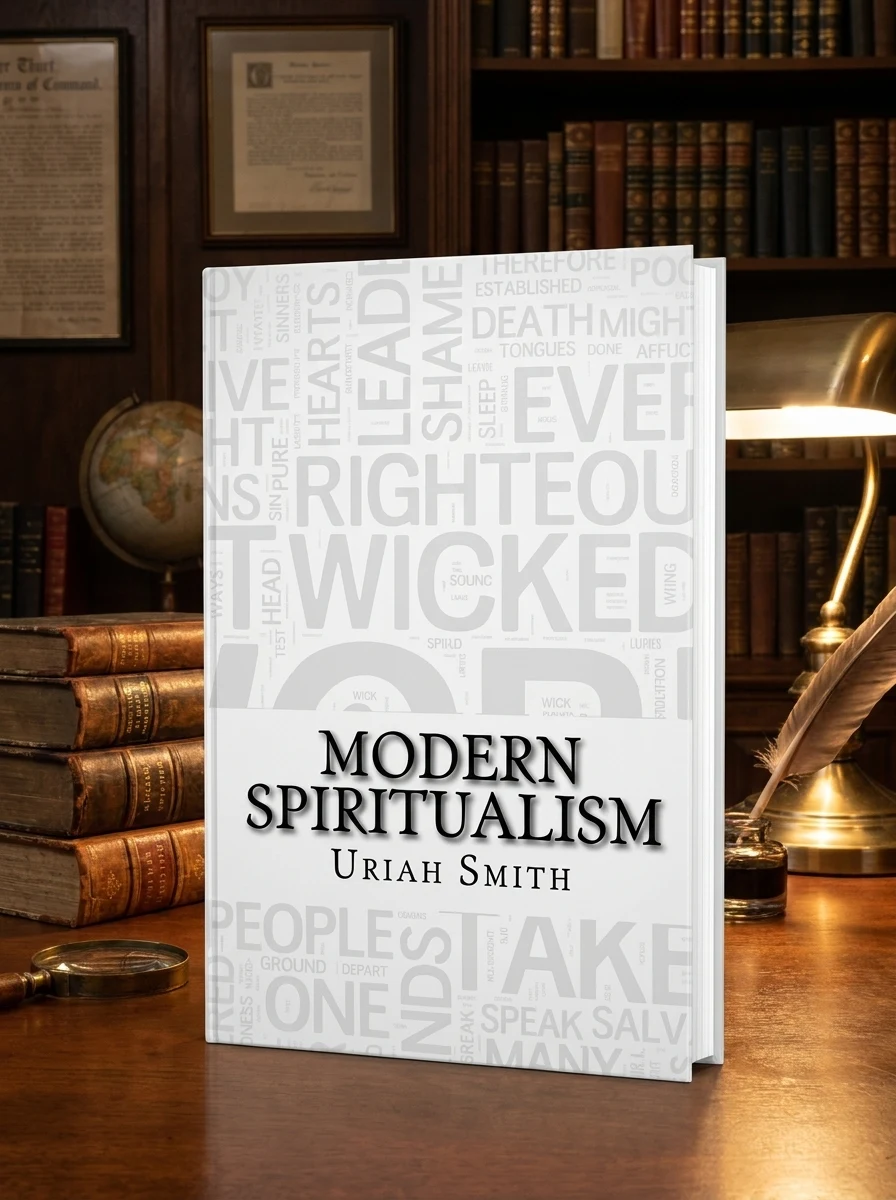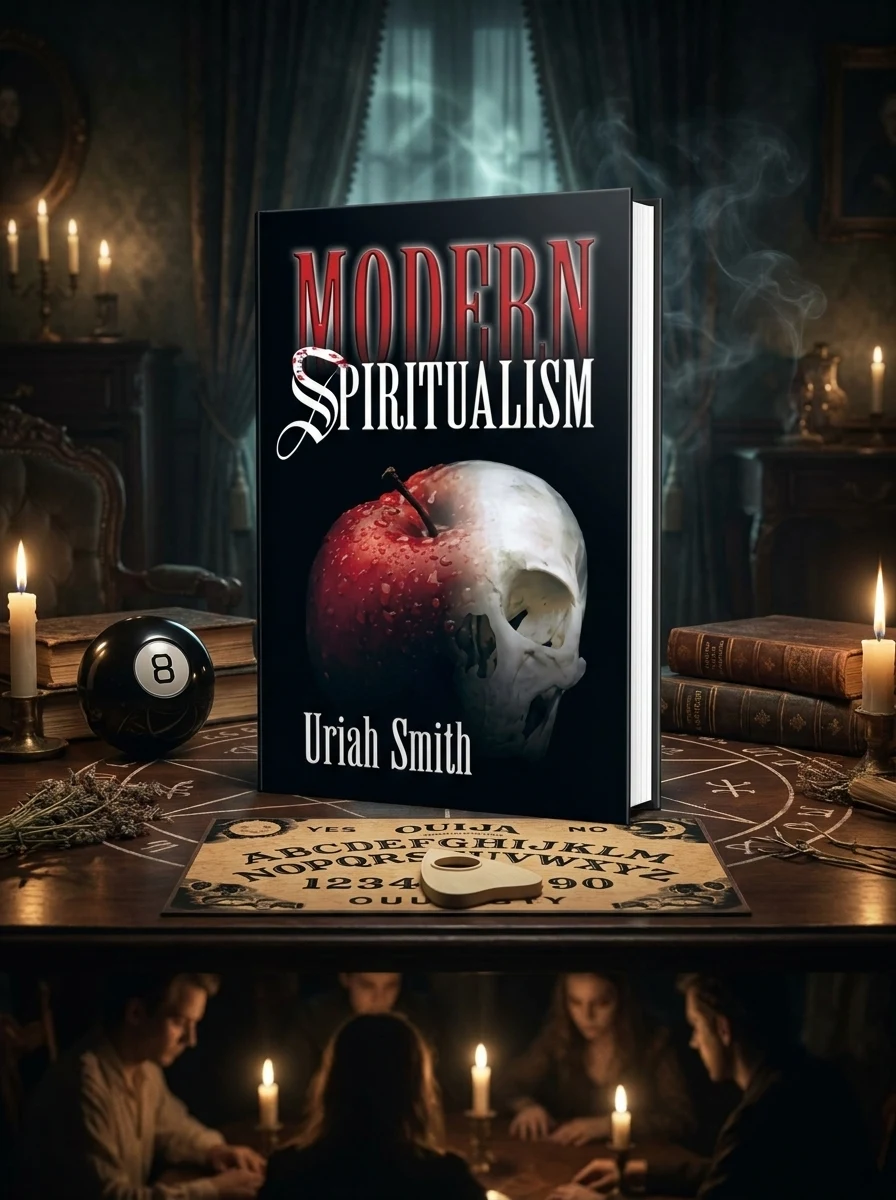

Modern Spiritualism (Facsim Reproduction)
Smith, Uriah

Stock reported in the catalog; fulfillment is confirmed with your request.
A stern warning against the deceptive allure of modern spiritualism and its hidden perils.
Uriah Smith presents a rigorous theological critique of 19th-century spiritualist practices, arguing that phenomena like séances, Ouija boards, and psychic readings are not benign entertainments but dangerous deceptions. He contends that these mediums masquerade as harmless fun while actually serving as vehicles for dark spiritual forces. Smith urges readers to remain vigilant, asserting that the boundary between divine truth and satanic imitation has become perilously thin, and that the promise of contacting the dead is a trap designed to lead the faithful astray from scriptural truth.
This work emerges from the 19th-century theological debates surrounding the rise of Spiritualism, reflecting a period where religious authorities vigorously contested the legitimacy of new spiritual practices. It stands as a defensive artifact within the Christian esoteric tradition, aiming to protect doctrinal purity against perceived supernatural encroachments.


📝 Description: Modern Spiritualism (Facsim Reproduction)
💎 Expert review
📖 Why choose it
Why this book is worth reading
This volume is essential for scholars of religious history and theologians interested in the intersection of faith and emerging spiritual movements. Readers seeking to understand the historical roots of anti-Spiritualist sentiment will find profound value in Smith’s rigorous theological framework. It offers a stark, uncompromising perspective that illuminates how traditional religious structures viewed the boundary between divine truth and satanic imitation during this turbulent era. By examining these arguments, contemporary readers gain insight into the enduring cultural anxieties surrounding mediumship and the occult, providing a critical counter-narrative to the romanticized views often found in modern esoteric literature.
⭐ Reader reviews
Reader rating
Came across this title in a footnote and had to track it down. The symbolism is layered and generous to patient readers.
Honestly wasn't sure what to expect, but I'm impressed. It reads better in small doses — a chapter at a time with notes. Great value for what you get.
Smith’s text is a formidable, stern warning rather than an inviting exploration, making it unsuitable for those seeking gentle spiritual guidance or neutral historical overviews. Readers who view Spiritualism as benign entertainment or valid spiritual practice will likely find its tone harsh and its arguments repetitive. It does not suit casual browsers looking for accessible summaries of 19th-century culture, as the dense theological critique demands serious engagement. However, for those willing to confront its severe perspective on dark spiritual forces and deceptive mediums, it serves as a potent reminder of the perceived perils lurking behind the veil of the paranormal.
❓ Frequently asked questions
📖 Who should read this
Readers interested in Christian apologetics, the history of religious opposition to the occult, and those seeking to understand the theological arguments against divination and spirit communication from a historic Adventist perspective.
🎯 Key themes and symbolism
Deception of the Masses
Smith analyzes how spiritualism exploits human grief and curiosity, wrapping dangerous occult practices in the guise of harmless entertainment or scientific curiosity to lower the guard of the unsuspecting public.
Eschatological Warning Signs
The text frames spiritualism as a prophetic fulfillment of biblical end-times prophecies, suggesting that the rise of necromancy is a specific sign of the approaching Second Coming and the final spiritual battle.
Soul's Eternal Security
Smith warns that engaging with these practices is not merely a hobby but a spiritual transaction, potentially sacrificing one's soul to demonic powers under the pretense of seeking knowledge or comfort from the beyond.
💬 Quotes from the book
“Evil masquerades as good, disguised in popular entertainment.”
“Deceptions... will develop to such a degree of strength, that if it were possible, they would deceive the very elect.”
📜 Historical context
📚 Glossary
- Spiritualism
- Preternatural
- The Elect
📔 Questions to reflect on
- How do you distinguish between genuine spiritual comfort and superficial entertainment in your own life?
- What historical fears of the 19th century still resonate in our modern view of technology and the unknown?
- In what ways might we inadvertently 'sell stock options' in our values for the promise of easy answers?
✍️ More books by this author Smith, Uriah
All books by this author →
You might also like
See more →