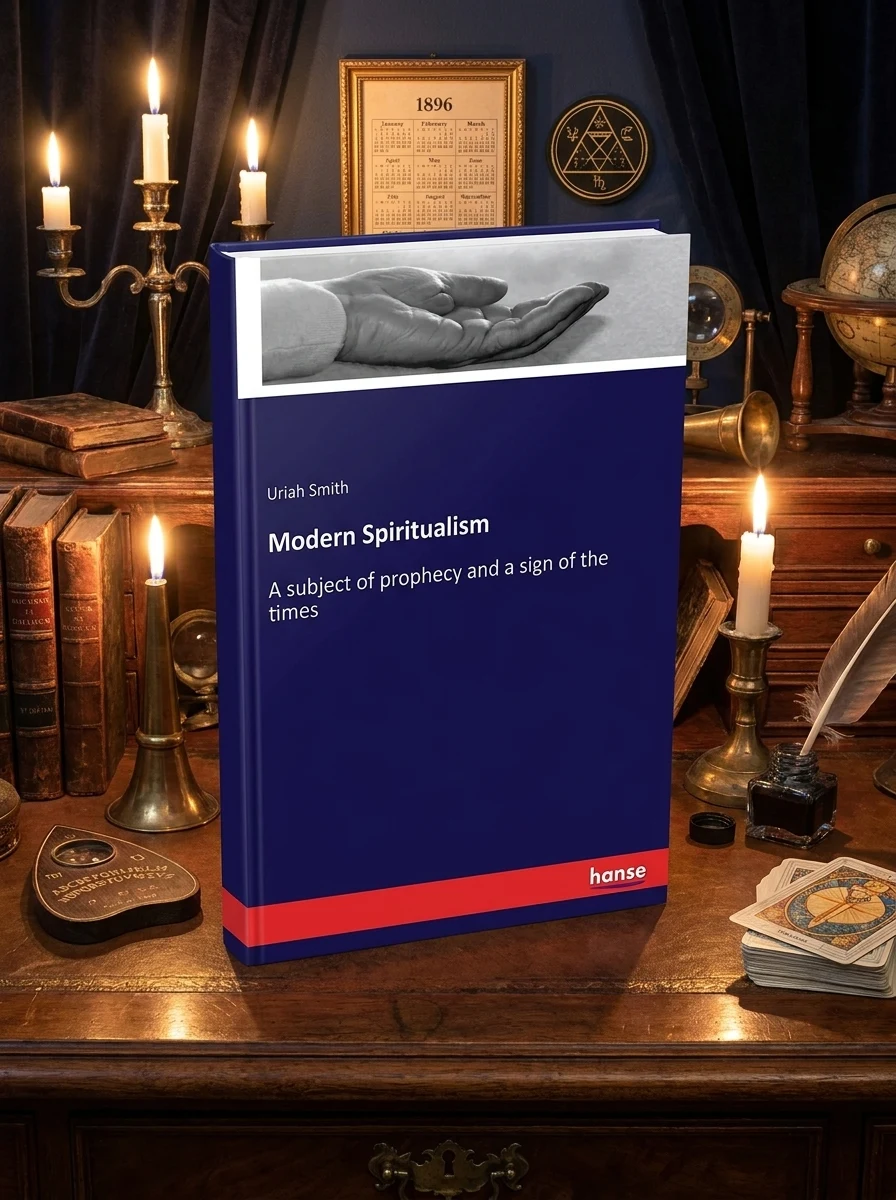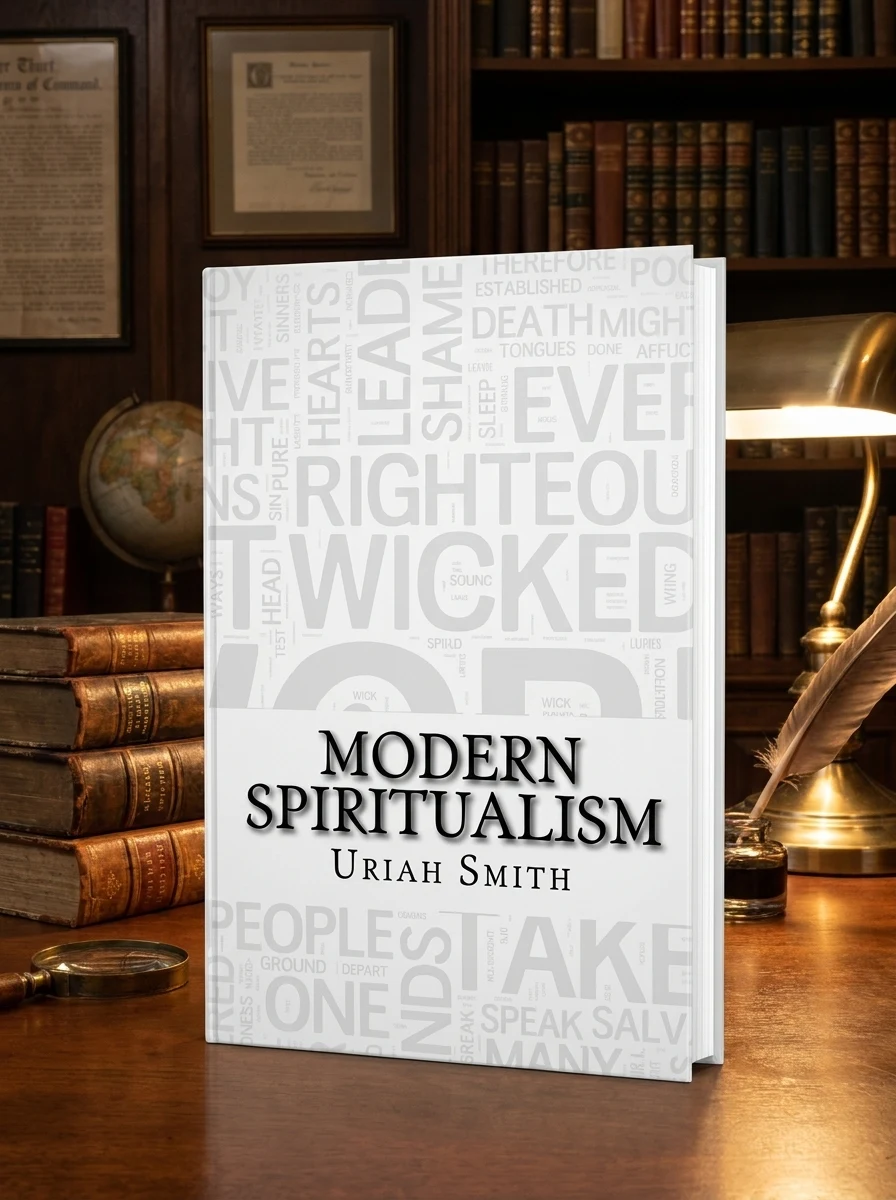
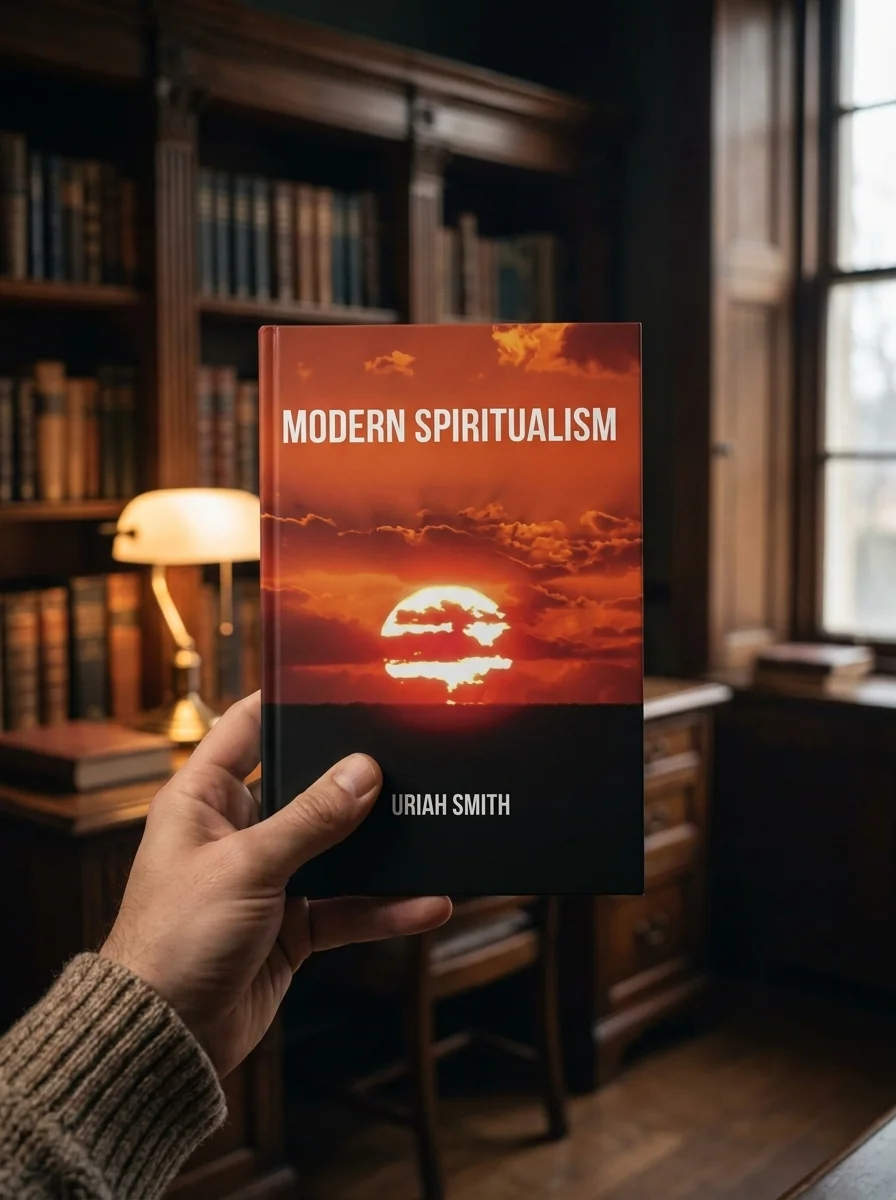
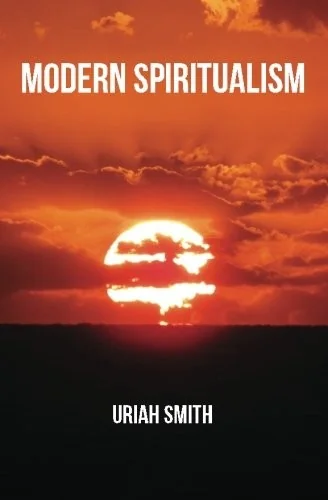
Modern Spiritualism: A Subject of Prophecy and a Sign of the Times
✍️ Smith, UriahUriah Smith's urgent treatise unpacks the pervasive influence of spiritualism, casting it not as harmless diversion but as a potent, insidious force. He meticulously argues that various spiritualist practices, from séances to contemporary "harmless" psychics and occult amusements, are fulfillments of biblical prophecies concerning end-time deceptions. The book challenges readers to critically examine the allure of power, knowledge, and connection with the departed offered by spiritualism, questioning whether these promises are genuine or a profound, soul-endangering masquerade orchestrated by malevolent entities seeking to lead humanity astray before a final reckoning.


📝 Description: Modern Spiritualism: A Subject of Prophecy and a Sign of the Times
💎 Expert review
📖 Why choose it
Why this book is worth reading
Readers deeply interested in the historical intersection of Protestant theology and the Spiritualism movement will find this text invaluable. It offers a rigorous, faith-based examination of how nineteenth-century religious leaders interpreted contemporary occult trends as fulfillments of biblical prophecy. Those seeking to understand the origins of modern evangelical skepticism toward psychic phenomena or the theological arguments against mediumship will gain profound insight into the urgent concerns of that era. The book provides a compelling narrative for believers who wish to fortify their faith against perceived spiritual deceptions, offering a clear, albeit severe, perspective on the dangers of seeking contact with the departed through non-biblical means.
⭐ Reader reviews
Reader rating
This treatise is a potent, albeit polarizing, artifact of its time, appealing primarily to readers already aligned with its specific eschatological framework. It will resonate with those invested in historicist prophecy and evangelical critiques of the occult. However, it does not suit secular historians seeking objective sociological analysis, nor does it appeal to Spiritualists or modern occult practitioners who view such practices as benign or beneficial. Readers expecting nuanced theological debate may find the argument monolithic and urgent rather than exploratory. It is best consumed as a primary source document illustrating specific religious anxieties of the period, rather than as a contemporary guide to spiritual practice.
❓ Frequently asked questions
📖 Who should read this
If you are concerned with spiritual integrity in an age of diverse beliefs, or seek a rigorous, biblically-grounded critique of spiritualist phenomena, this book offers a compelling and uncompromising perspective. It is for those who wish to understand a specific theological stance on the perceived dangers of occult practices.
🎯 Key themes and symbolism
Deceptive Appearances
Smith illuminates how spiritualism often cloaks itself in seemingly benign forms, from popular entertainment to innocent curiosity, to ensnare individuals. He argues that these subtle guises mask a deeper, malevolent intent, making spiritualist practices far more dangerous than they appear on the surface, designed to corrupt spiritual discernment.
Prophetic Warnings Fulfilled
The author meticulously connects the rise and evolution of spiritualism to specific biblical prophecies regarding the 'last days.' He posits that these practices are not random occurrences but direct manifestations of foretold evil influences, acting as crucial signs of an impending spiritual climax and the ultimate conflict between good and evil.
Spiritual Discernment Crucial
A central tenet of Smith's work is the imperative for individuals to cultivate acute spiritual discernment. He stresses the necessity of distinguishing between genuine spiritual truth and deceptive manifestations, urging readers to scrutinize the source and intent behind any encounter with the 'unknown' to safeguard their spiritual integrity.
📜 Historical context
📚 Glossary
- Spiritualism
- Preternatural
- Elect
📔 Questions to reflect on
- How do you personally discern between what you perceive as genuine spiritual experience and potential deception in contemporary mystical or occult practices?
- Consider the author's argument: what modern 'innocent pleasures' or forms of communication might be reinterpreted through his lens as vehicles for subtle spiritual influence?
- Reflect on the concept of 'the elect' mentioned in the text. Do you believe any individual or group is truly immune to spiritual deception, and why or why not?