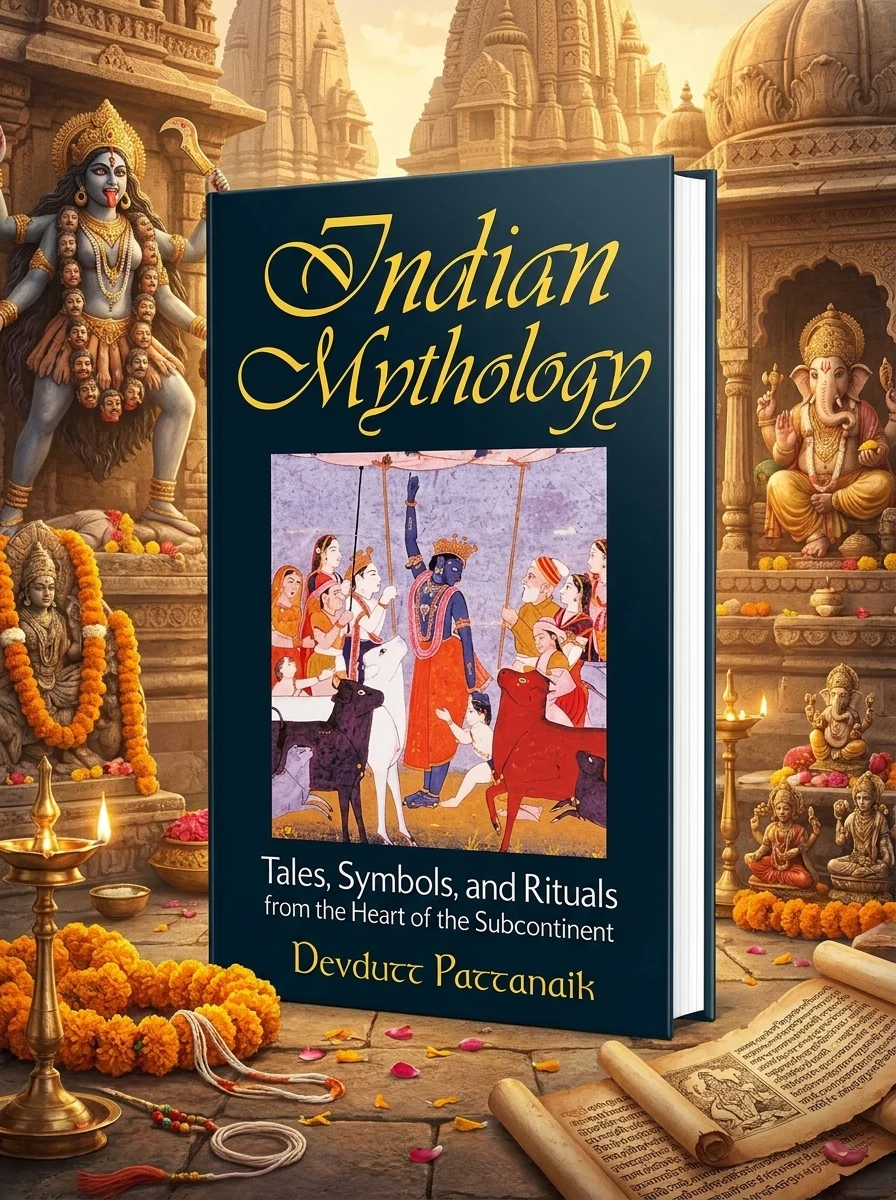
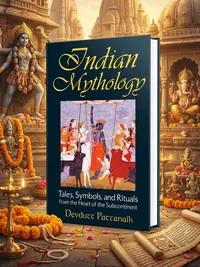
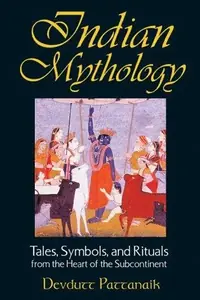
Indian Mythology: Tales, Symbols, and Rituals from the Heart of the Subcontinent (Original)
Pattanaik, Devdutt

This edition can be ordered. No arrival date is confirmed.
Unlock ancient India's mystic heart, transcending Western views of its divine narratives.
This insightful volume delves into ninety-nine foundational Indian myths, offering a unique lens unfettered by Western perspectives. It illuminates the intricate Hindu spiritual world, comparing its distinctive narratives with those from Abrahamic, Egyptian, Greek, and Norse traditions. Explore the historical evolution of these tales, their enduring interpretations, and how ancient rituals and artistry continue to shape contemporary Indian life. Discover the profound polytheistic worldview necessary to truly grasp these unparalleled deities and their intricate stories.
This work is situated within the rich tapestry of Hindu spiritual tradition and comparative mythology, offering an indigenous perspective on South Asian divine narratives. It serves as a bridge between ancient esoteric wisdom and modern understanding, distinct from Western-centric interpretations.


📝 Description: Indian Mythology: Tales, Symbols, and Rituals from the Heart of the Subcontinent (Original)
💎 Expert review
📖 Why choose it
Why this book is worth reading
Readers seeking a genuine immersion into the soul of India will find this volume indispensable. Pattanaik invites you to step outside colonial frameworks and embrace the polytheistic worldview essential for grasping these intricate deities. It is perfect for those fascinated by how ancient rituals and artistry still shape contemporary life. If you desire to understand the heart of the subcontinent through its own lens, rather than through foreign eyes, this book offers a profound, unfettered perspective on foundational myths.
⭐ Reader reviews
Reader rating
Pattanaik provides a compelling counter-narrative to Western interpretations, illuminating the distinctive nature of Hindu spirituality through ninety-nine foundational myths. The comparison with Abrahamic, Egyptian, Greek, and Norse traditions highlights unique cultural nuances effectively. However, readers expecting dry academic rigor or historical dates may find the focus on symbolic meaning and ritualistic evolution too abstract. It is not suited for those who prefer linear historical accounts over mythic exploration. Instead, it rewards those willing to engage with a polytheistic worldview that prioritizes spiritual insight over chronological fact.
❓ Frequently asked questions
📖 Who should read this
If you seek to expand your spiritual horizons beyond conventional Western thought, or if the vibrant, multifaceted deities of India beckon you, this book is an essential guide. It's for those ready to embrace a polytheistic worldview and discover profound, unparalleled wisdom.
🎯 Key themes and symbolism
Non-Western Interpretive Lens
The book rigorously advocates for understanding Indian spiritual traditions on their own terms, free from the interpretive biases of Western thought. It highlights the fundamental differences between monotheistic and polytheistic frameworks, asserting that the rich complexity of Hindu mythology can only be appreciated through its inherent cultural context.
Mythic Evolution & Endurance
This work traces the historical development and shifting interpretations of India's sacred stories across centuries. It demonstrates how these ancient myths, along with their associated rituals and artistic expressions, remain profoundly relevant, actively shaping the spiritual and cultural landscape of modern India, proving their timeless power.
Cross-Cultural Mythic Dialogue
The author skillfully places Indian myths in conversation with narratives from diverse global traditions, including Abrahamic, Egyptian, Greek, and Norse mythologies. This comparative approach reveals both the unique qualities of Indian spiritual thought and universal human archetypes, enriching our global understanding of myth-making.
💬 Quotes from the book
“To truly grasp the dance of Kali or the wisdom of Ganesha, one must first shed the singular lens of the West and embrace the many-faceted gaze of the subcontinent.”
“The myths of India are not relics of a forgotten past, but living currents, shaping rituals and challenging modern consciousness with their paradoxes of creation and destruction.”
📜 Historical context
📚 Glossary
- Polytheistic
- Paradigm
- Puranic
📔 Questions to reflect on
- Based on the book's perspective, how might a Western monotheistic upbringing influence one's initial understanding or misunderstanding of polytheistic systems like Hinduism?
- Reflect on a specific Indian myth introduced in the book. What tensions between 'world-affirming' and 'world-rejecting' ideas, or 'conformism' and 'rebellion,' do you perceive within its narrative?
- Considering the enduring nature of these ancient myths, how do you see similar mythological or archetypal patterns manifesting in contemporary culture or your own personal worldview?
✍️ More books by this author Pattanaik, Devdutt
All books by this author →
🏛 Books from this publisher Inner Traditions International
All books from this publisher →



You might also like
See more →