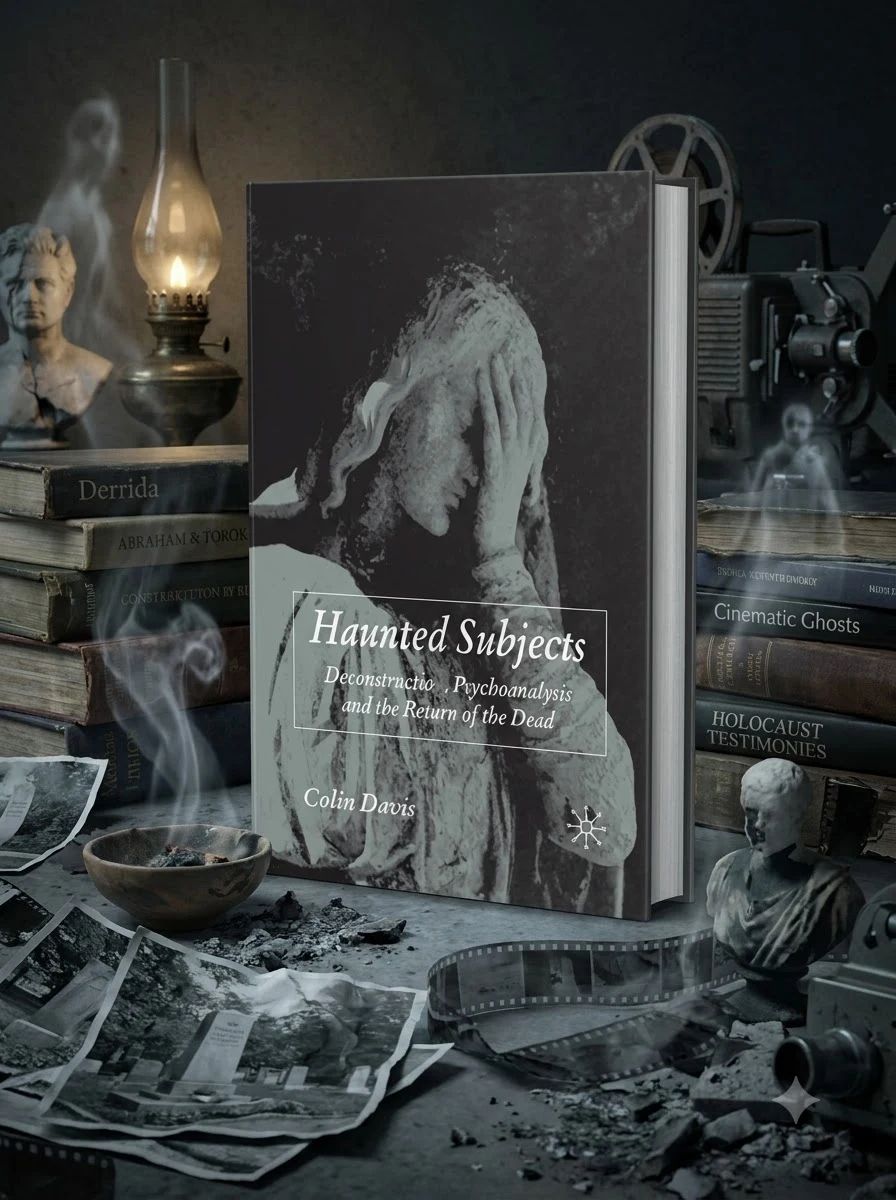
Haunted Subjects: Deconstruction, Psychoanalysis and the Return of the Dead (2007)
Davis, C 87
87
 Editorial score
How we rate
Editorial score
How we rate
Stock reported in the catalog; fulfillment is confirmed with your request.
Ghosts, specters, and the lingering presence of the past—how do the dead continue to haunt our living realities?
This profound inquiry delves into how the departed continue to influence the world of the living. Exploring diverse cultural expressions, from cinematic narratives to deeply personal Holocaust accounts, and engaging with the theories of Derrida, Abraham, and Torok, the text illuminates the complex, often inescapable, relationship between the living and the dead. It posits that the specters of the past are not easily dismissed, suggesting our very existence is intertwined with their enduring presence. A compelling meditation on memory, loss, and the uncanny.
This work sits at the intersection of contemporary continental philosophy and psychoanalytic theory, engaging with the 'return of the dead' through the lens of deconstruction. It contributes to ongoing academic debates regarding memory, trauma, and the spectral presence in modern cultural discourse.


📝 Description: Haunted Subjects: Deconstruction, Psychoanalysis and the Return of the Dead (2007)
💎 Expert review
📖 Why choose it
Why this book is worth reading
Readers deeply interested in the philosophical underpinnings of grief and the uncanny will find this text profoundly rewarding. It offers a rigorous examination of how the departed continue to shape living realities, moving beyond simple spiritualism into complex theoretical territory. Those who appreciate engaging with Derrida’s deconstruction or the psychoanalytic frameworks of Abraham and Torok will gain valuable insights into the inescapable relationship between the living and the dead. It is an essential resource for scholars and thinkers seeking to understand how specters of the past persist within our personal and cultural narratives, providing a compelling meditation on memory and loss.
⭐ Reader reviews
Reader rating
Davis presents a dense but illuminating analysis of spectral presence, blending cinematic narratives with Holocaust accounts to explore the enduring influence of the departed. While intellectually robust and theoretically rich for those versed in continental philosophy, this book is not suited for casual readers or those seeking accessible spiritual guidance. It requires patience and familiarity with abstract concepts, making it a niche academic text rather than a general interest read. Those looking for straightforward answers about the afterlife may find its philosophical approach too demanding and obscure.
❓ Frequently asked questions
📖 Who should read this
If you're drawn to the liminal spaces where philosophy meets the supernatural, or seek to understand the profound psychological and cultural impact of absence, this book offers a rigorous exploration. Ideal for those who question death's finality and its enduring echoes in our world.
🎯 Key themes and symbolism
Spectral Presence in Culture
The book investigates how the "ghost" or "specter" manifests across various cultural forms. From its portrayal in cinema to its profound impact on historical narratives like Holocaust testimony, it reveals how societal memory and collective trauma are often embodied by these persistent, haunting figures, shaping our understanding of past and present.
Psychoanalytic Hauntings
Delving into the intricate theories of Nicolas Abraham and Maria Torok, this work explores the psychological dimensions of unresolved grief and inherited trauma. It examines how unacknowledged secrets and unspoken sorrows from previous generations can manifest as "crypts" or "phantoms" within the psyche of the living, subtly shaping their realities and identities.
Derridean Deconstruction of Presence
Engaging with Jacques Derrida's philosophy of deconstruction, the book challenges conventional notions of presence and absence. It explores how the dead, rather than simply disappearing, continue to exert a powerful, often unsettling, influence on the living, blurring the lines between what is truly "gone" and what persistently "returns," questioning our grasp of reality.
💬 Quotes from the book
“The spectral is not merely an absence, but a presence that resists full apprehension, a trace of what was and what perpetually might return, unsettling the very ground of our present reality.”
“To live with the dead is to acknowledge the impossibility of closure, to accept that certain losses carve indelible crypts within the psyche, manifesting as phantoms that inform our narratives and our very being.”
📜 Historical context
📚 Glossary
- Deconstruction
- Hauntology
- Cryptonymy
📔 Questions to reflect on
- Consider a cultural narrative (film, literature, historical event) where the "dead" or the past exerts a powerful, spectral influence. How does this influence manifest?
- Reflect on your own understanding of grief and memory. Are there "unlaid ghosts" in your personal or ancestral history that resonate with the book's ideas of crypts or phantoms?
- How might Derrida's concept of hauntology challenge your conventional view of time and presence? If the past is never truly past, what does that imply for the future?
✍️ More books by this author Davis, C
All books by this author →
🏛 Books from this publisher Palgrave MacMillan
All books from this publisher →
You might also like
See more →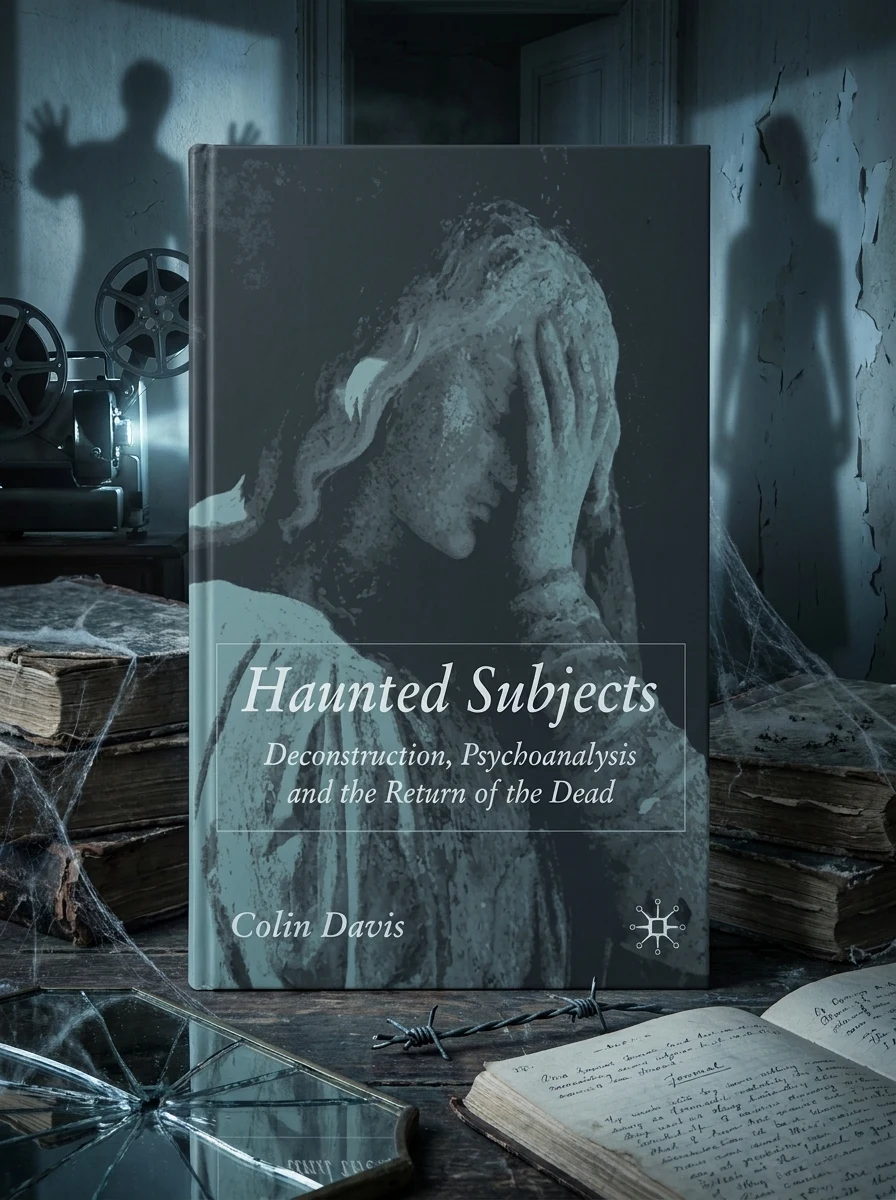
 86
86