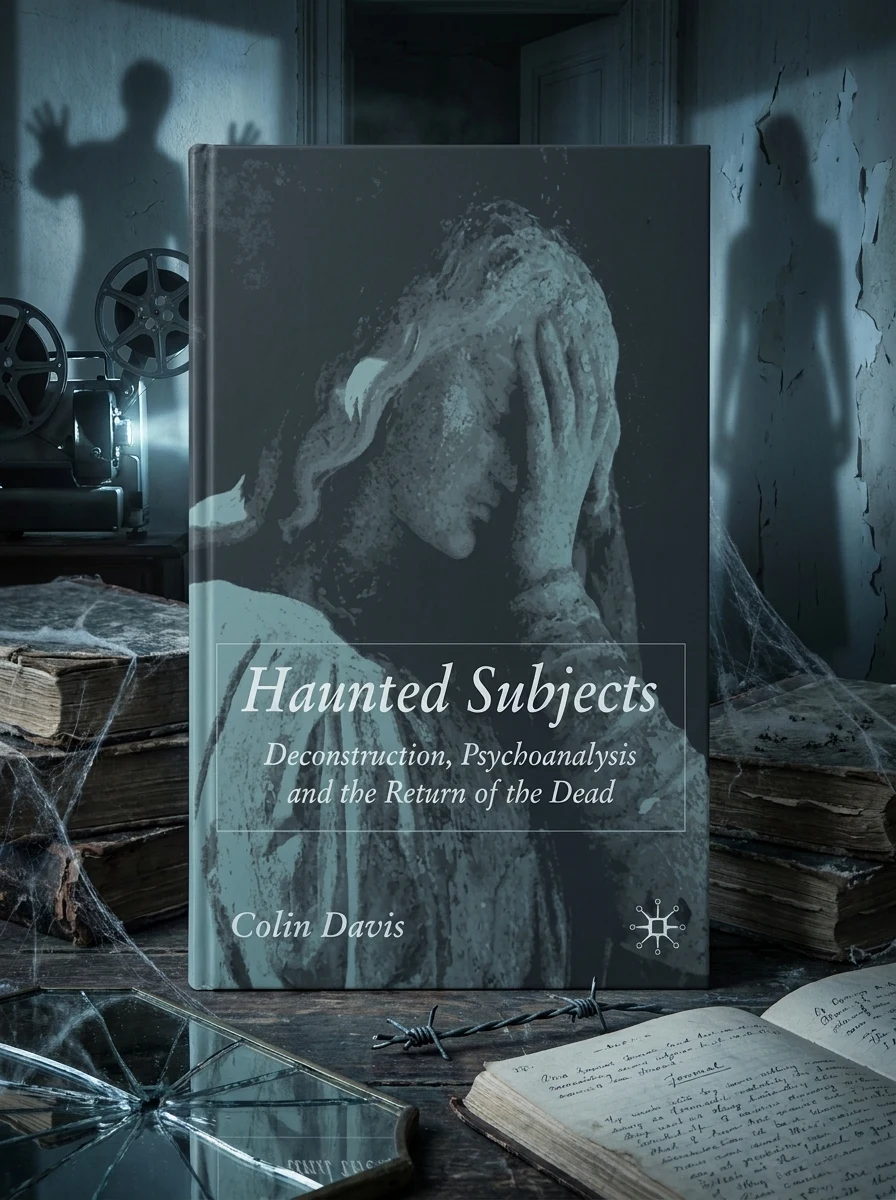

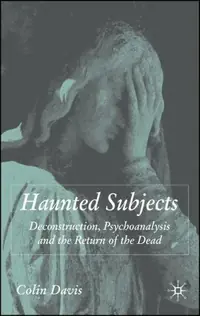
Haunted Subjects: Deconstruction, Psychoanalysis and the Return of the Dead (2007)
Davis, C 75
75
 Editorial score
How we rate
Editorial score
How we rate
Stock reported in the catalog; fulfillment is confirmed with your request.
Dead ghosts haunt the living mind, blurring the line between memory and spectral reality.
This volume probes the persistent intrusion of the deceased into the consciousness of the living. Drawing on diverse textual landscapes, it explores how trauma and memory manifest as spectral presences in film, historical testimony, and psychoanalytic theory. The author argues that the dead are not merely absent but actively participate in the psychological landscape of the bereaved, suggesting that exorcising these memories is as complex and vital as embracing them.
This work emerges within the intersection of contemporary psychoanalytic theory and cultural studies, addressing the post-structuralist fascination with memory and trauma. It situates itself in the academic discourse surrounding deconstructionism and its application to the metaphysical concept of the return of the dead.


📝 Description: Haunted Subjects: Deconstruction, Psychoanalysis and the Return of the Dead (2007)
💎 Expert review
📖 Why choose it
Why this book is worth reading
Readers deeply invested in the psychological mechanics of grief will find this text profoundly resonant. It offers a rigorous framework for understanding how the deceased remain active participants in our inner lives, rather than passive memories. By bridging film studies, historical testimony, and psychoanalysis, it provides tools to navigate the complex terrain where trauma meets spectral presence. Those seeking to understand why exorcising memory is as vital as embracing it will appreciate its nuanced approach. It is essential for scholars or individuals who wish to deconstruct the blurred lines between reality and the psychological haunting of the bereaved mind.
⭐ Reader reviews
Reader rating
Not my usual area but wanted to branch out. The typesetting is comfortable for study, with good margins for notes. Every rereading turns up something I missed.
Ordered this after seeing it referenced in another book I was studying. Some chapters demand a slow, careful read, and that's exactly the point. Plenty of passages worth underlining; my copy is already full of margin notes. It assumes more background than a beginner might have.
Took a chance on this and glad I did. The ideas are old but land with surprising force today. Delivery took a bit longer than quoted. Still worth having on the shelf.
Exactly what I was looking for. It rewards patience more than any book I've bought this year. Some sections stopped me cold in the best way. Well worth it.
This volume presents a dense theoretical exploration that may alienate readers seeking accessible spiritualism or practical grief counseling. Its reliance on deconstruction and psychoanalytic jargon creates a high barrier to entry, making it unsuitable for casual readers or those preferring empirical evidence over textual landscapes. However, for academics and theorists, it offers valuable insights into the persistent intrusion of the deceased into consciousness. It does not suit those who view ghosts as literal entities rather than psychological manifestations. The strength lies in its intellectual rigor, but its dryness may deter anyone looking for warmth or straightforward narrative guidance on loss.
❓ Frequently asked questions
📖 Who should read this
Readers fascinated by the intersection of psychoanalysis, literary theory, and the metaphysics of grief will find this text a rigorous and unsettling exploration of how we negotiate with those who have passed.
🎯 Key themes and symbolism
Spectral Haunting
Traumatic Memory
Psychoanalytic Deconstruction
💬 Quotes from the book
“The dead do not rest; they return to shape the present.”
“Memory is a ghost that refuses to leave the room.”
📜 Historical context
📚 Glossary
- Hauntology
- Phantomatic
- Cryptonomy
📔 Questions to reflect on
- What unresolved memory feels most alive in your current life?
- How does the absence of a loved one manifest in your daily rituals?
- When have you felt a presence that defies logical explanation?
✍️ More books by this author Davis, C
All books by this author →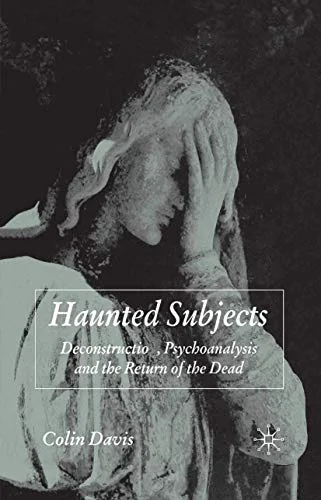
🏛 Books from this publisher Palgrave MacMillan
All books from this publisher →


You might also like
See more →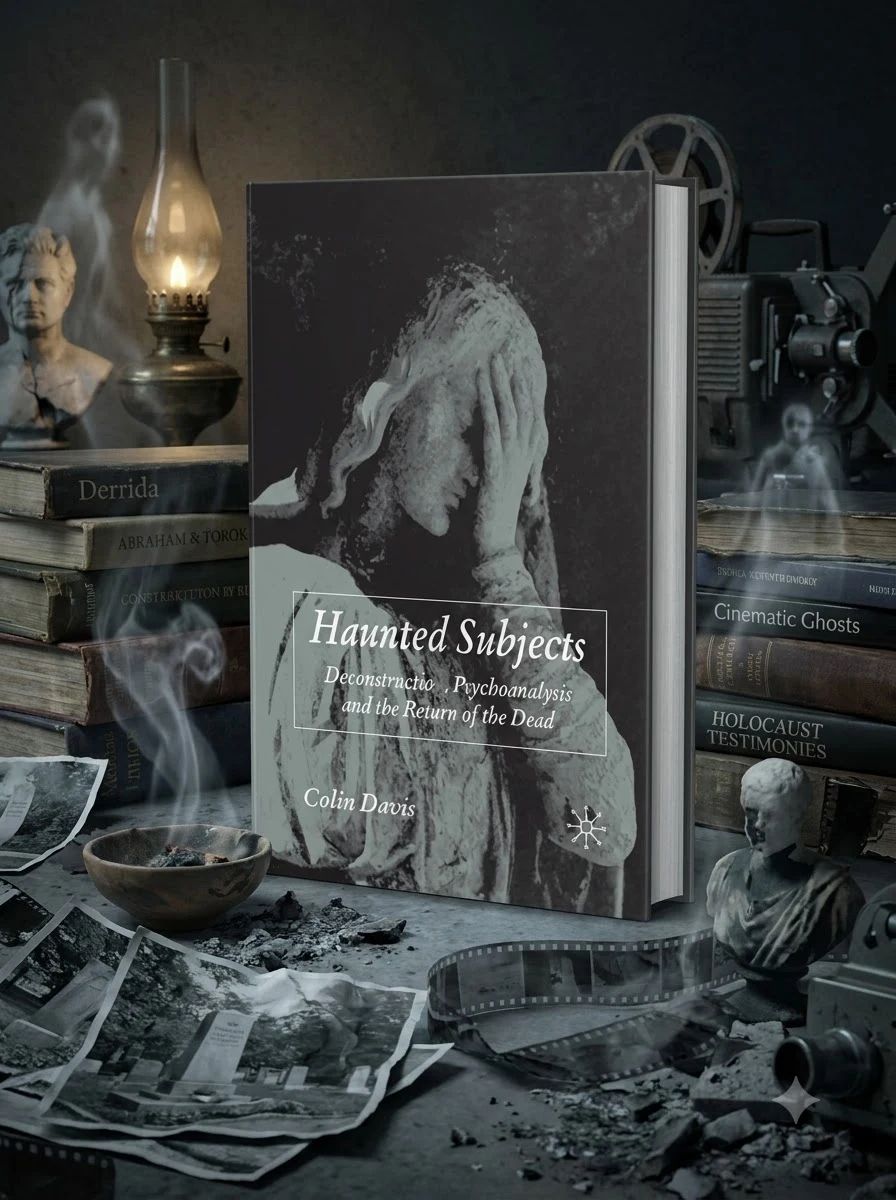
 86
86