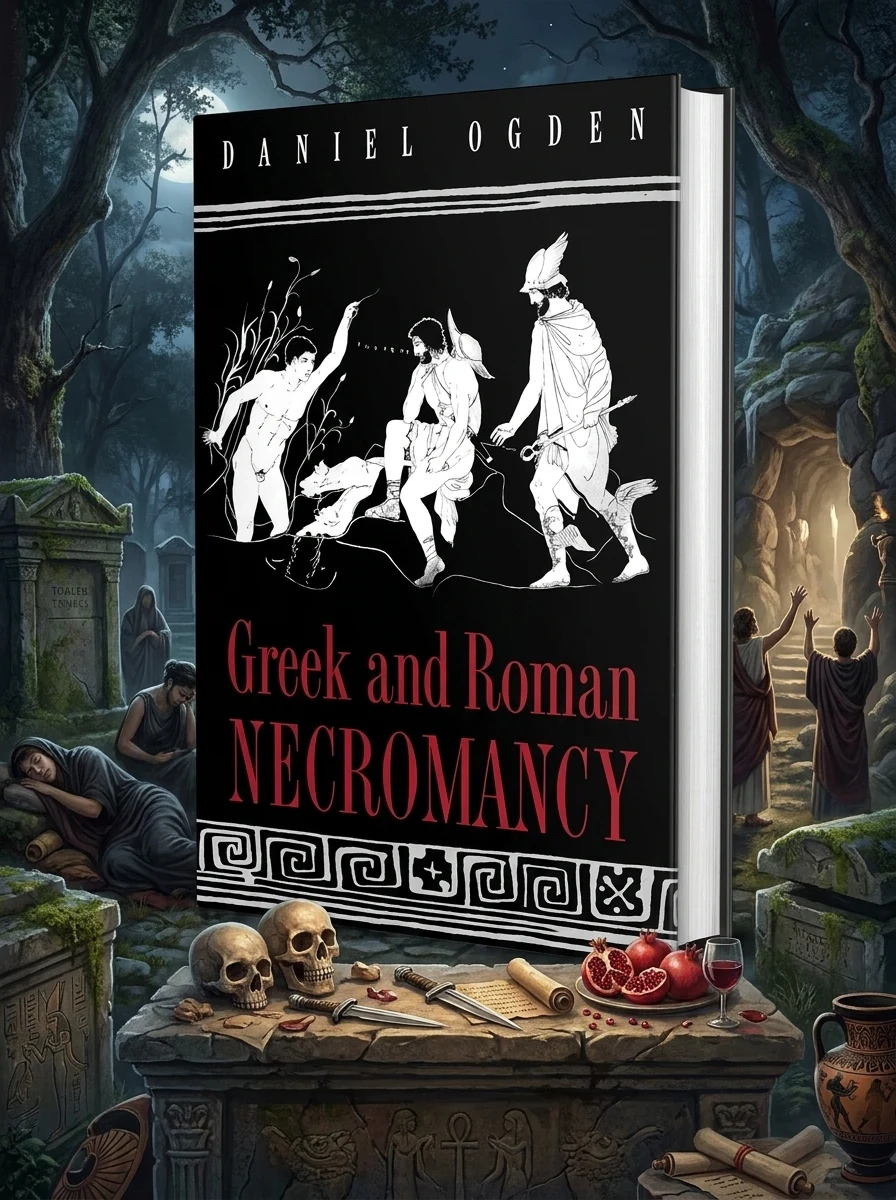
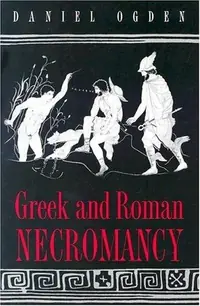
Greek and Roman Necromancy
Ogden, DanielStock reported in the catalog; fulfillment is confirmed with your request.
Dare to journey to the ancient underworld and commune with the spectral dead?
This groundbreaking study by Daniel Ogden offers an unparalleled exploration into the practice of consulting the deceased for prophetic insight across Greek and Roman civilizations. Spanning from the archaic Greek era through the late Roman Empire, and encompassing regions like Egypt, it meticulously details the diverse methods, sacred locations, and intriguing figures involved in ancient necromancy. Readers will discover the evolution of this dark art, from tomb-sleeping rituals to the reanimation of corpses, presented with academic rigor and fascinating depth.
This work situates itself firmly within the academic study of ancient Mediterranean religions, specifically bridging classical philology and the history of esoteric practices in Greek and Roman societies.


📝 Description: Greek and Roman Necromancy
💎 Expert review
📖 Why choose it
Why this book is worth reading
Scholars of antiquity and enthusiasts of esoteric history will find this volume indispensable for its rigorous examination of how ancient societies interacted with the supernatural. It appeals to those fascinated by the practical mechanics of necromancy, offering a clear view of tomb-sleeping rites and corpse reanimation without sensationalism. Readers seeking to understand the religious underpinnings of prophetic insight across Egypt, Greece, and Rome will appreciate the meticulous detail regarding sacred sites and key figures. It serves as a vital resource for anyone wishing to move beyond mythological tropes to grasp the authentic, documented reality of consulting the dead in the classical world.
⭐ Reader reviews
Reader rating
Daniel Ogden delivers a meticulously researched academic text that demystifies ancient necromancy through rigorous historical analysis. While it offers unparalleled depth on methods and locations, this is not a narrative adventure or a guide to modern spiritualism. It will frustrate readers seeking accessible prose, fictionalized accounts, or practical instructions for contemporary occult practice. The book demands patience and an appreciation for scholarly nuance rather than dramatic flair. It is strictly for those willing to engage with dense historical context and archaeological evidence. Casual readers looking for quick insights into the underworld may find the academic rigor daunting and the lack of narrative momentum disengaging, making it unsuitable for light reading.
❓ Frequently asked questions
📖 Who should read this
If you're captivated by the darker currents of ancient history, fascinated by spiritualism, or a scholar of classical occult practices, this comprehensive survey is indispensable. Prepare to delve into the historical reality and mythological depths of ancient communication with the dead.
🎯 Key themes and symbolism
Ancient Necromantic Practice
Ogden meticulously details the various techniques employed by Greeks and Romans to contact the deceased. From sleeping upon tombs to visiting specific oracular sites and even attempting the reanimation of physical remains, the book unveils the diverse spectrum of ancient methods for seeking knowledge from the underworld and interpreting spectral communications.
Sacred Sites & Oracles
The author leads readers through significant geographical locations associated with necromancy, including cave-based oracles and lakeside precincts like those at Acheron and Avernus. He re-evaluates long-held assumptions about these sites, providing fresh insights into their ritual functions and historical significance within the practice of consulting the dead.
Practitioners & Entities
This volume introduces the fascinating cast of characters involved in or affected by ancient necromancy. From spectral beings like ghosts, zombies, and early vampiric figures to human agents like sorcerers, shamans, and legendary witches such as Circe and Medea, Ogden paints a vivid picture of the personnel of the ancient underworld.
💬 Quotes from the book
“The nuanced distinction between a mere ghost and an actively reanimated corpse, however blurred in popular imagination, held significant ritualistic implications for the ancient practitioner.”
“While the oracular sites at Acheron and Avernus are frequently conflated, a close examination of literary and archaeological evidence suggests distinct operational methodologies.”
📜 Historical context
📚 Glossary
- Necromancy
- Divination
- Evocation
📔 Questions to reflect on
- How did the ancient Greek and Roman views on death and the afterlife shape their willingness to engage in necromantic practices?
- Consider the societal role of figures like "witches" or "sorcerers" who engaged in necromancy. Were they feared, respected, or both?
- If you could ask one question of an ancient necromancer, what would it be, and why?
✍️ More books by this author Ogden, Daniel
All books by this author →
🏛 Books from this publisher Princeton University Press
All books from this publisher →
 87
87
You might also like
See more →
 91
91