🕯️ Occult Philosophy

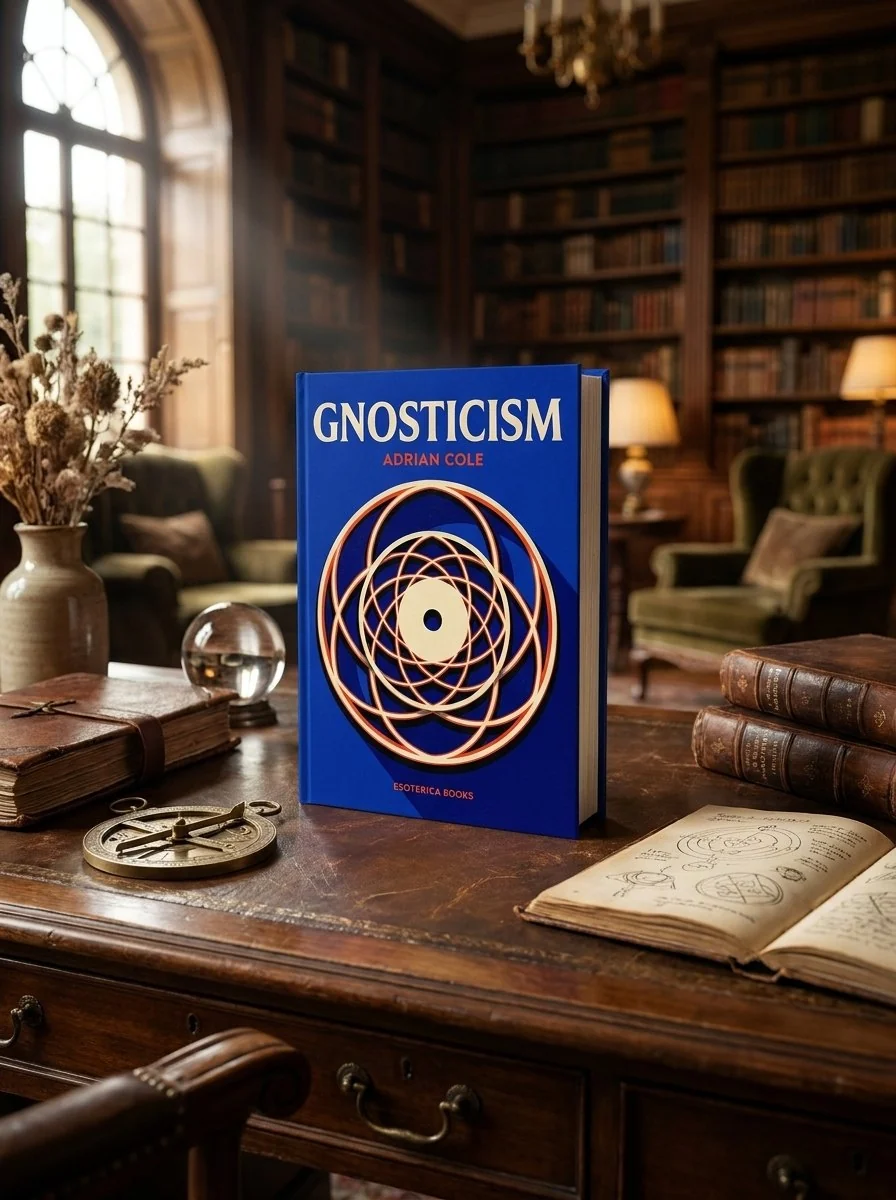
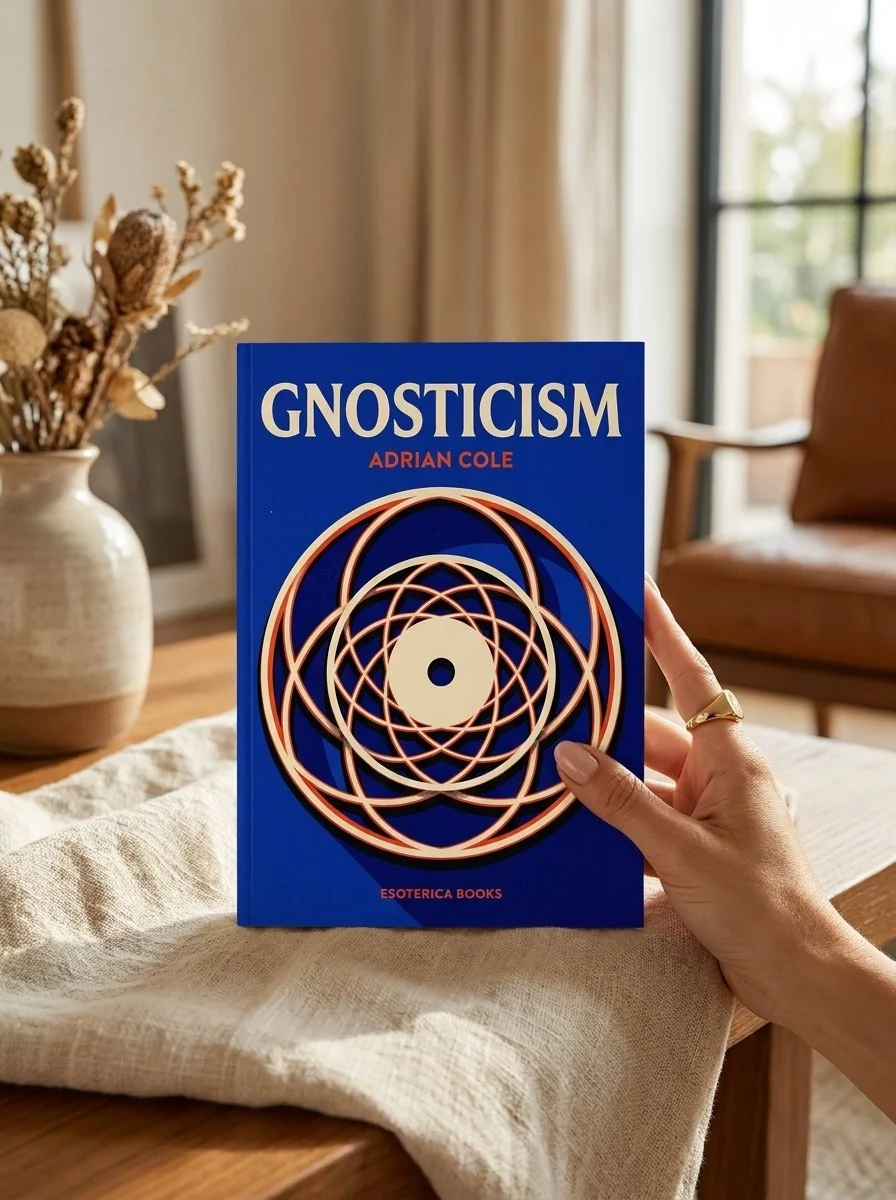
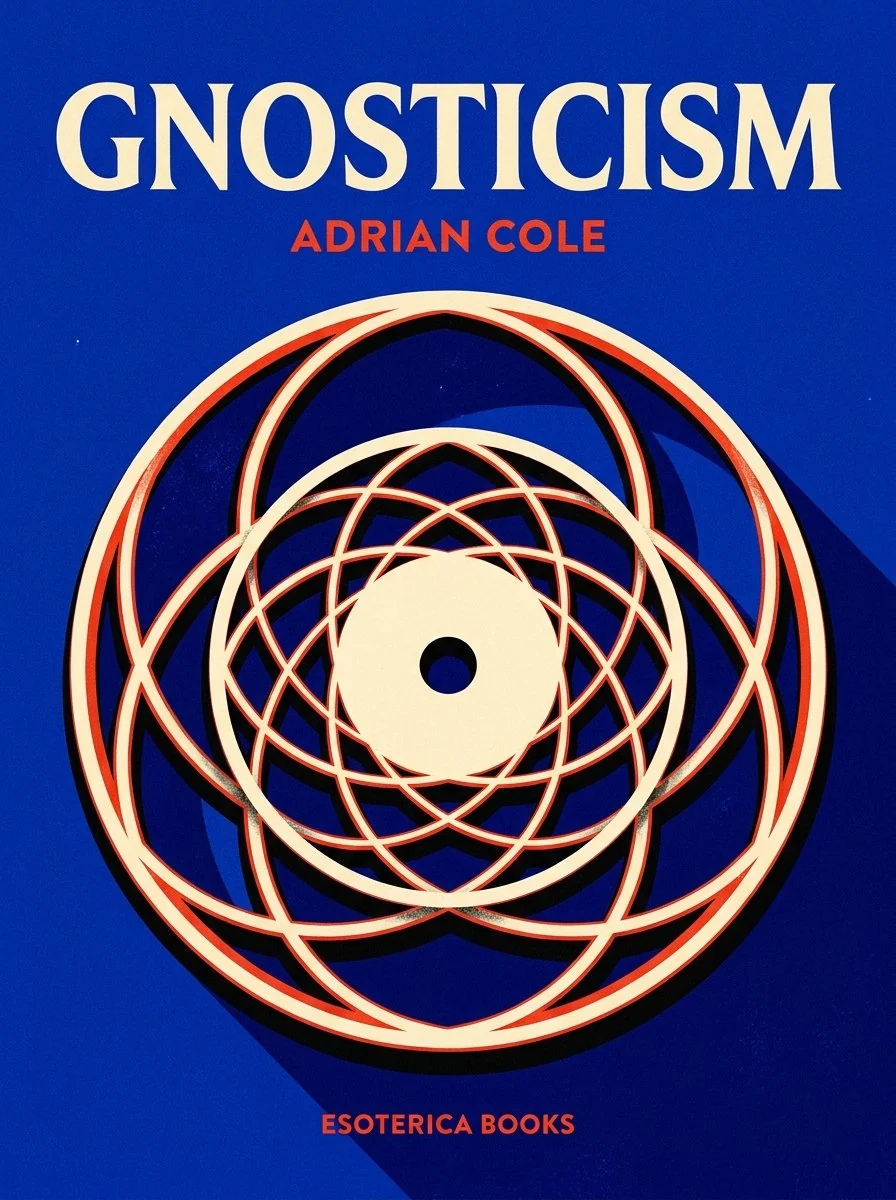
Gnosticism: Discover the Hidden Path Within

✍️ Adrian Cole
Reader Score
4.7
(1 review)
Format
📖 Printed paperback, shipped to your door
English152 pages
📖 Read a free preview
Printed to order — we confirm the delivery date with you
$4.99
📚 WHAT THE BOOK IS ABOUT

Explore Gnosticism, decode its symbols, and turn ancient spiritual ideas into a personal path of self-inquiry.

What is Gnosticism, and what does gnosis mean? This accessible guide introduces the diverse spiritual movements associated with Gnostic thought, explaining their central concepts, symbolic figures, and relationship with early Christianity. Explore the Monad, Pleroma, Sophia, Barbelo, the Demiurge, and the Archons while comparing Sethian and Valentinian traditions. Then move from historical understanding to personal exploration through the six-step G.N.O.S.I.S. Method, combining contemplative reading, symbolic interpretation, prayer, and reflective journaling into an independent practice of spiritual inquiry.

Key Themes
Gnostic Cosmology Divine Wisdom Historical Traditions Contemplative Practice
Literary Context

Gnosticism is a modern umbrella term for diverse ancient religious movements that explored spiritual or revelatory knowledge. Its traditions developed within the varied religious world of late antiquity and interacted with early Christianity and other philosophical and religious currents.


Difficulty
● Easy
🕯️
Occult Philosophy
🏛 Esoterica Books 📖 152 pages 🌐 English 📐 E-book
Fun Fact
A well-organized introduction to Gnosticism that balances historical explanation with practical spiritual exploration. The G.N.O.S.I.S. Method gives readers a clear progression from unfamiliar terminology to independent contemplation and study. Its greatest strength is its attention to differences between historical traditions. Its main limitation is the introductory depth: readers looking for detailed primary-source translations or advanced scholarly analysis will need additional reading.

📝 Description: Gnosticism: Discover the Hidden Path Within

Written for curious beginners and returning students alike, this book makes Gnosticism approachable without reducing its diverse traditions to one simplified belief system. It explains what gnosis means, introduces the major figures and symbols of Gnostic cosmology, and examines the complicated relationship between Gnostic movements and early Christianity. Readers interested in Gnostic spirituality, ancient religious ideas, and the meaning of spiritual knowledge will find a clear starting point. The book follows the G. N. O. S. I. S. Method: Ground, Notice, Observe, Study, Interpret, and Synthesize. Each stage builds on the previous one, moving from essential vocabulary and symbolic recognition to historical comparison, contemplation, and independent study. Practical exercises include mapping the Monad and Pleroma, interpreting Sophia's symbolism, examining assumptions about authority, and keeping a personal journal. The final chapters bring these elements together through contemplative reading, personal prayer, symbolic interpretation, and structured self-inquiry. The result is a practical framework for exploring Gnostic ideas with historical curiosity and personal reflection.

📖 Why choose it

📖

Why this book is worth reading

Gnosticism can be difficult to approach because its terminology, cosmologies, and historical traditions vary considerably. This guide provides a manageable route through that complexity. You will learn how the Monad differs from the Pleroma, why Sophia matters, what the Demiurge and Archons represent in selected systems, and how Sethian and Valentinian teachings differ. More importantly, the G.N.O.S.I.S. Method gives you concrete ways to work with these ideas through symbolic reading, contemplative prayer, and journaling. It connects intellectual curiosity with an active personal study practice.

⭐ Reader reviews

The starting rating comes from the team Esoterica Books —
⭐ Esoterica editorial review Editorial rating 4.7/5
★★★★★
Ideal for beginners exploring Gnosticism, readers curious about early Christian movements, and spiritual seekers interested in gnosis, symbolic interpretation, and contemplative study. It also suits readers who want practical exercises alongside clear explanations of historical ideas.

Reader rating

4.7
Based on 1 reviews
5
0
4
1
3
0
2
0
1
0
E
Esoterica Books editorial team

This guide takes a sensible approach to a subject that is often oversimplified. Its strongest feature is the distinction between Gnosticism as a modern umbrella term and the different historical movements grouped beneath it. The explanations of Sophia, the Monad, the Pleroma, the Demiurge, and the Archons provide a useful conceptual foundation, while the comparison of Sethian and Valentinian traditions adds historical perspective. The G.N.O.S.I.S. Method gives the material a practical direction through journaling, contemplation, and symbolic interpretation. One limitation: readers seeking extensive translations of primary Gnostic texts or specialist academic debates will need more advanced sources. As an introduction, its accessible structure is appealing.

❓ Frequently asked questions

Gnosticism is a modern umbrella term for diverse ancient religious movements that placed particular importance on gnosis, or spiritual and revelatory knowledge. This book introduces their central ideas, cosmologies, symbols, and historical differences in accessible language. Covered in Chapter 1.
The book offers a simple personal contemplative approach inspired by Gnostic themes: find a quiet space, write an intention, contemplate a short passage, and close with the words, 'May I seek understanding, recognize what is true, and walk with wisdom.' Covered in Chapter 9.
Begin with essential concepts, study the symbols and historical traditions, and develop a routine of contemplation, symbolic interpretation, personal prayer, and journaling. The six-stage G.N.O.S.I.S. Method provides the framework. Covered in Chapters 9–11.
Start by learning the vocabulary and central cosmological ideas, then compare Sethian and Valentinian traditions and examine their relationship with early Christianity. The book also introduces source evaluation and the distinction between primary texts and later interpretations. Covered in Chapters 2, 6, 7, and 11.
In American English, Gnosticism is commonly pronounced NOS-tuh-siz-um, with the initial G silent. The related word gnosis is pronounced NOH-sis. Pronunciation is not a dedicated chapter topic.

📖 Who should read this

Ideal for beginners exploring Gnosticism, readers curious about early Christian movements, and spiritual seekers interested in gnosis, symbolic interpretation, and contemplative study. It also suits readers who want practical exercises alongside clear explanations of historical ideas.

🎯 Key themes and symbolism

Gnostic Cosmology

Divine Wisdom

Historical Traditions

Contemplative Practice

📜 Historical context

The movements now grouped under the term Gnosticism emerged in the religiously diverse world of late antiquity. Their teachings were not uniform: Sethian and Valentinian traditions, for example, developed different accounts of divine reality, creation, and spiritual knowledge. Some Gnostic movements interacted closely with early Christianity, while particular teachings became subjects of disagreement among early Christian writers. The Nag Hammadi library preserves important Coptic manuscripts containing diverse religious and philosophical writings, including texts associated with Gnostic traditions. Studying these sources requires distinguishing historical movements, surviving texts, later interpretations, and modern spiritual adaptations.

📚 Glossary

Gnosis
Monad
Pleroma
Sophia
Demiurge
Archons

📔 Questions to reflect on

  1. What do I currently believe about spiritual knowledge, and how do those beliefs differ from what I have personally understood through reflection?
  2. Which Gnostic symbol or figure—Sophia, the Monad, the divine spark, or the Pleroma—most invites my curiosity, and what personal meanings do I associate with it?
  3. What assumptions about the world, authority, and my own understanding would I like to examine more carefully?

✍️ More books by this author Adrian Cole
Astral Projection: A Grounded Practice Guide (Paperback)
★★★★★
★★★★★
4.7
Adrian Cole
Astral Projection: A Grounded Practice Guide (Paperback)
$14.99
87
Astral Projection: A Grounded Practice Guide
★★★★★
★★★★★
4.7
Adrian Cole
Astral Projection: A Grounded Practice Guide
$4.99
87
How to Read Your Birth Chart (Paperback)
★★★★★
★★★★★
4.7
Adrian Cole
How to Read Your Birth Chart (Paperback)
$14.99
88
Human Design Chart: Read Yours with Clarity (Paperback)
★★★★★
★★★★★
4.7
Adrian Cole
Human Design Chart: Read Yours with Clarity (Paperback)
$14.99
88
Angel Numbers: A Practical Guide to Their Meaning (Paperback)
★★★★★
★★★★★
4.7
Adrian Cole
Angel Numbers: A Practical Guide to Their Meaning (Paperback)
$14.99
89
Human Design Chart: Read Yours with Clarity
★★★★★
★★★★★
4.7
Adrian Cole
Human Design Chart: Read Yours with Clarity
$4.99
88
Tarot Card Meanings: All 78 Cards Explained
★★★★★
★★★★★
4.7
Adrian Cole
Tarot Card Meanings: All 78 Cards Explained
$4.99
88
Tarot Card Meanings: All 78 Cards Explained (Paperback)
★★★★★
★★★★★
4.7
Adrian Cole
Tarot Card Meanings: All 78 Cards Explained (Paperback)
$14.99
88

🏛 Books from this publisher Esoterica Books

All books from this publisher →


Qigong: A Daily Practice for Beginners (Paperback)
★★★★★
★★★★★
4.6
Hazel Whitmore
Qigong: A Daily Practice for Beginners (Paperback)
$14.99
86
Qigong: A Daily Practice for Beginners
★★★★★
★★★★★
4.6
Hazel Whitmore
Qigong: A Daily Practice for Beginners
$4.99
86
Past Lives: A Practical Guide to Discovery (Paperback)
★★★★★
★★★★★
4.7
Adrian Cole
Past Lives: A Practical Guide to Discovery (Paperback)
$14.99
88
Past Lives: A Practical Guide to Discovery
★★★★★
★★★★★
4.7
Adrian Cole
Past Lives: A Practical Guide to Discovery
$4.99
88
Samhain: Rituals, Meaning & Traditions (Paperback)
★★★★★
★★★★★
4.7
Hazel Whitmore
Samhain: Rituals, Meaning & Traditions (Paperback)
$14.99
87
Samhain: Rituals, Meaning & Traditions
★★★★★
★★★★★
4.7
Hazel Whitmore
Samhain: Rituals, Meaning & Traditions
$4.99
87
Hecate: A Beginner's Devotional Guide (Paperback)
★★★★★
★★★★★
4.7
Hazel Whitmore
Hecate: A Beginner's Devotional Guide (Paperback)
$14.99
87
Hecate: A Beginner's Devotional Guide
★★★★★
★★★★★
4.7
Hazel Whitmore
Hecate: A Beginner's Devotional Guide
$4.99
87

You might also like

See more →

Kabbalah: A Practical Beginner's Guide
★★★★★
★★★★★
4.7
1
Adrian Cole
Kabbalah: A Practical Beginner's Guide
$4.99
88
Occult: A Practical Guide to Hidden Traditions
★★★★★
★★★★★
4.7
1
Adrian Cole
Occult: A Practical Guide to Hidden Traditions
$4.99
87
The Salem Witch Trials: The Truth of 1692
★★★★★
★★★★★
4.7
1
Hazel Whitmore
The Salem Witch Trials: The Truth of 1692
$4.99
89
The Philosophy Of Natural Magic -54%
★★★★★
★★★★★
4.8
1
Agrippa, Henry Cornelius
The Philosophy Of Natural Magic
$9.93 $22.00
92
El Profeta - Two Rivers Gibran, Kahlil
★★★★★
★★★★★
4.8
1
Gibran, Kahlil
El Profeta - Two Rivers Gibran, Kahlil
$13.95
92
The Yoga-Sutra of Patañjali: A New Translation and Commentary (Original)
★★★★★
★★★★★
4.8
1
Feuerstein, Georg
The Yoga-Sutra of Patañjali: A New Translation and Commentary (Original)
$14.95
92
Yoga Spandakarika: The Sacred Texts at the Origins of Tantra -22%
★★★★★
★★★★★
4.8
1
Odier, Daniel
Yoga Spandakarika: The Sacred Texts at the Origins of Tantra
$16.95 $22.00
92
Sister Outsider: Essays and Speeches 🏆 Bestseller
★★★★★
★★★★★
4.8
1
Audre Lorde, Cheryl Clarke
Sister Outsider: Essays and Speeches
$17.99
92
Psychic Self-Defense -18%
★★★★★
★★★★★
4.8
1
Fortune, Dion
Psychic Self-Defense
$17.99 $22.00
92
The Nectar of Immortality: Sri Nisargadatta Maharaj Discourses on the Eternal -38%
★★★★★
★★★★★
4.6
3
Maharaj, Nisargadatta
The Nectar of Immortality: Sri Nisargadatta Maharaj Discourses on the Eternal
$18.95 $31.00
92

Have a question about this item?

Ask about the edition, condition, delivery or anything else — we reply by email or phone, usually within a day.

Esoteric Meaning

Concepts in this book

Gnosticism →
Home Genres
Cart
Wishlist