Forgotten Civilization: New Discoveries on the Solar-Induced Dark Age (Edition, Revised and Expanded)
Stock reported in the catalog; fulfillment is confirmed with your request.
Unearth the sun's forgotten wrath and civilizations lost to ancient cosmic catastrophe.
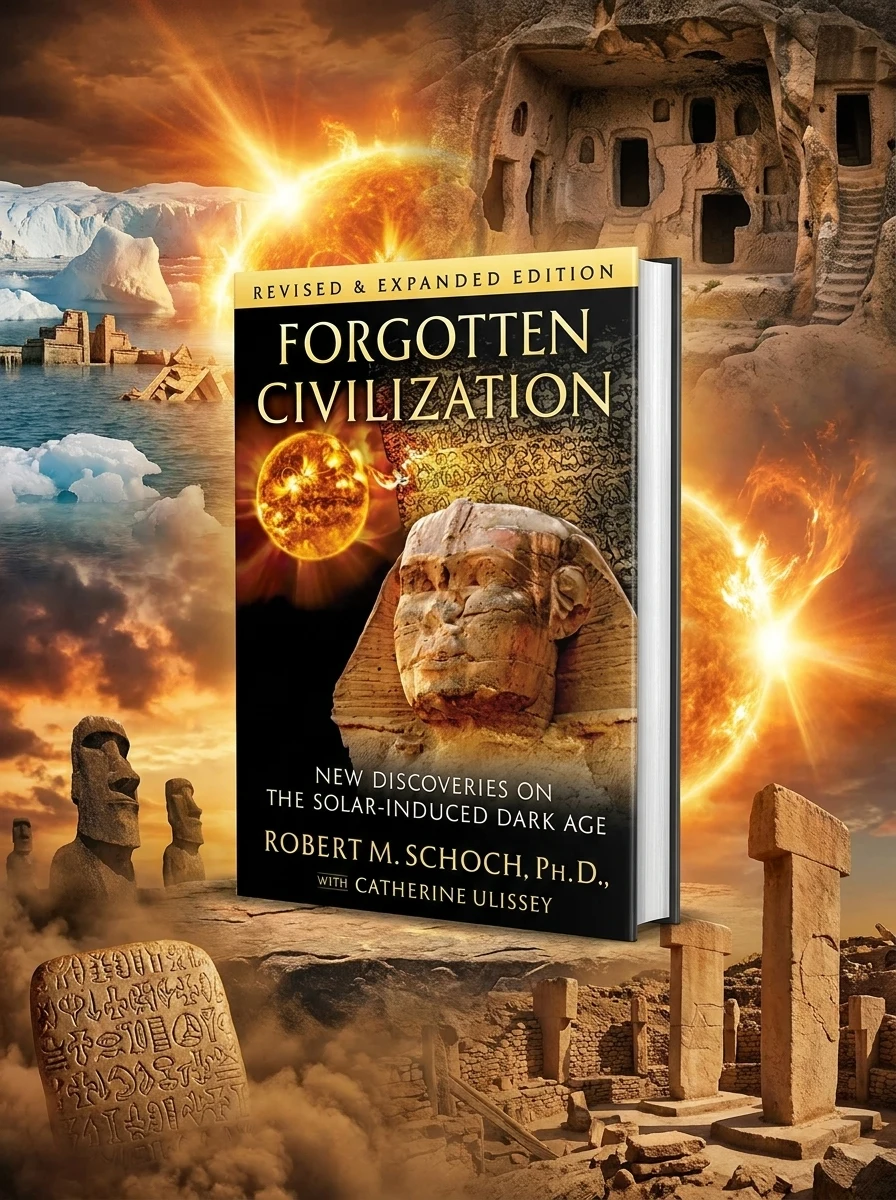
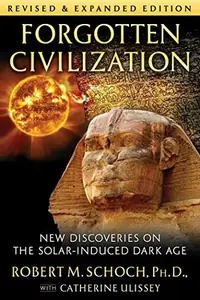
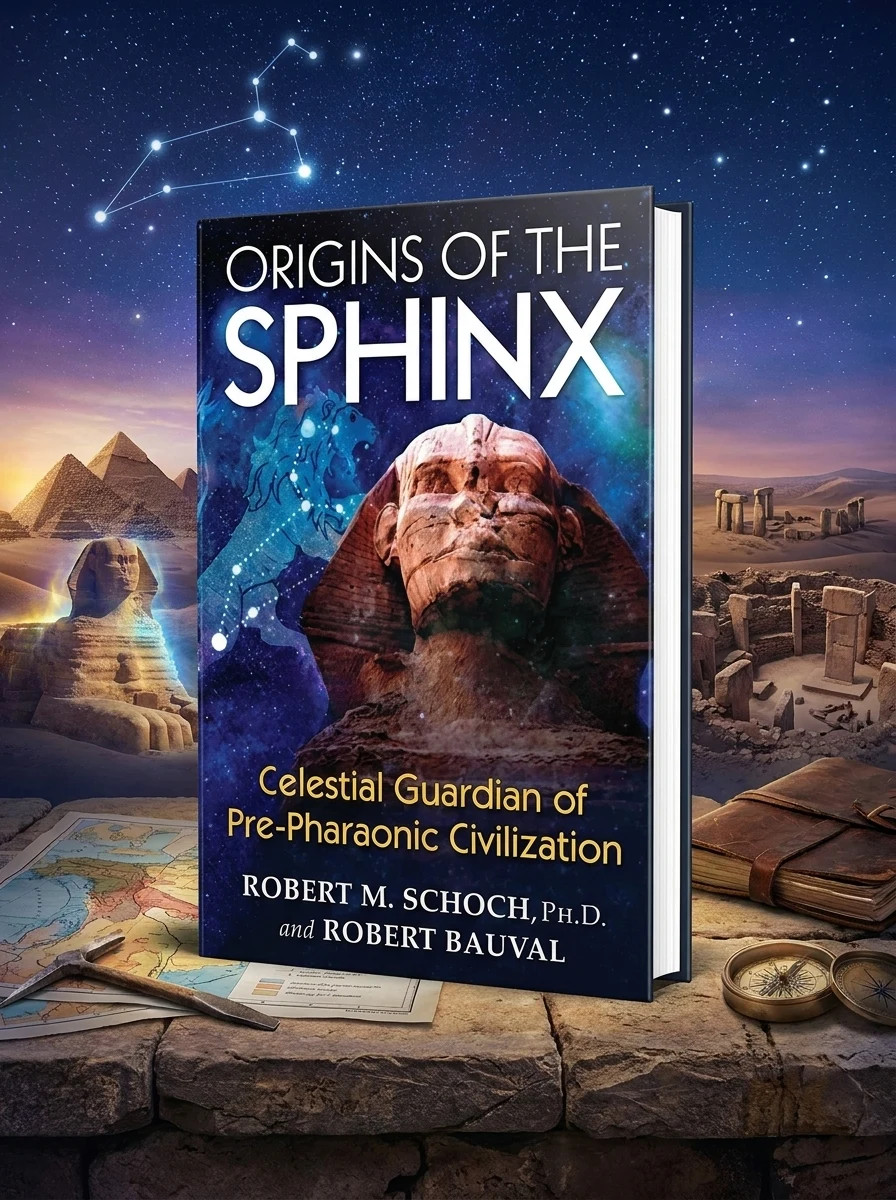
Geologist Robert Schoch presents a compelling, revised investigation into Earth's ancient past, proposing that massive solar outbursts triggered the abrupt end of the last ice age around 9700 BCE. These cataclysmic events unleashed electrical and plasma discharges, devastating advanced early civilizations and ushering in a six-millennia "Solar-Induced Dark Age." Schoch challenges conventional historical timelines, particularly for sites like the Sphinx, by synthesizing evidence from solar science, geology, and archaeology to paint a radical new picture of prehistory and humanity's lost origins.
This work sits firmly within the fringe archaeology and alternative history tradition, challenging mainstream academic consensus by integrating geological data with esoteric interpretations of prehistory. It aligns with literature that seeks to uncover suppressed narratives about humanity's ancient origins and cosmic influences on civilization.


📝 Description: Forgotten Civilization: New Discoveries on the Solar-Induced Dark Age (Edition, Revised and Expanded)
💎 Expert review
📖 Why choose it
Why this book is worth reading
Readers fascinated by the intersection of geology, astronomy, and ancient mystery will find this revised edition deeply rewarding. It offers a compelling alternative narrative for those tired of conventional historical timelines that ignore geological anomalies. By synthesizing solar science with archaeological evidence, it provides a fresh perspective on catastrophic events that shaped human history. If you are drawn to theories about lost advanced civilizations and the impact of cosmic forces on Earth's past, this book delivers a rigorous yet accessible investigation. It appeals to open-minded seekers willing to reconsider the timeline of human development and the potential role of solar activity in cultural extinction.
⭐ Reader reviews
Reader rating
This text presents a bold synthesis of geology and solar science to propose a radical revision of prehistory. While Schoch’s argument regarding solar-induced dark ages is intellectually stimulating, it remains highly speculative and lacks broad academic acceptance. It is not suitable for readers who demand strict adherence to mainstream archaeological consensus or those skeptical of alternative historical timelines. The book may frustrate traditionalists who view such theories as pseudoscientific. However, for those interested in the mechanics of ancient catastrophes and the geological evidence surrounding sites like the Sphinx, it offers a provocative, well-researched counter-narrative that challenges established dogma.
❓ Frequently asked questions
📖 Who should read this
If you're captivated by ancient mysteries, enjoy challenging mainstream historical narratives, and appreciate scientific exploration of catastrophic events, then this expanded edition is for you. Prepare to have your understanding of human civilization and Earth's past dramatically rewired.
🎯 Key themes and symbolism
Solar Cataclysm Theory
This book posits that intense solar activity, rather than gradual climate shifts, abruptly ended the last ice age. Electrical and plasma discharges from the sun caused widespread destruction, leading to the collapse of advanced ancient cultures. This groundbreaking theory redefines the forces that shaped early planetary and human history, offering a cosmic perspective on terrestrial cataclysms.
Revisiting Ancient Chronology
Schoch challenges established historical timelines, particularly for monumental sites like the Great Sphinx, arguing for its origins thousands of years earlier than traditionally accepted. The book proposes that sophisticated civilizations flourished much earlier than commonly believed, only to be erased by the solar event, necessitating a complete re-evaluation of archaeological dating and historical narratives.
Interdisciplinary Evidence
The author meticulously integrates findings from diverse scientific fields to support his radical claims. Evidence spans geology, solar science, oceanic circulation patterns, and specific archaeological sites. From the enigmatic weathering of the Sphinx to the mysteries of Göbekli Tepe and the rongorongo glyphs, a robust, multifaceted case is built for a lost advanced past.
💬 Quotes from the book
“Our planet's history, we discover, is punctuated not by slow evolution alone, but by sudden, cataclysmic solar events that reshaped life and civilization in an instant.”
“From the weathered stones of the Giza Plateau to the enigmatic carvings of Easter Island, a consistent narrative emerges, whispered across millennia by the very rocks themselves.”
📜 Historical context
📚 Glossary
- Solar Outbursts
- Solar-Induced Dark Age
- Pre-Dynastic Sphinx
📔 Questions to reflect on
- How might our understanding of human ingenuity and resilience change if advanced civilizations truly existed, then vanished, in Earth's deep past?
- Consider the implications of a 'Solar-Induced Dark Age' for modern society. What lessons might ancient cataclysms hold for our future?
- If scientific evidence compels us to drastically revise established historical timelines, what other 'facts' about our past might also be open to re-examination?
🏛 Books from this publisher Inner Traditions International
All books from this publisher →




You might also like
See more →




 91
91