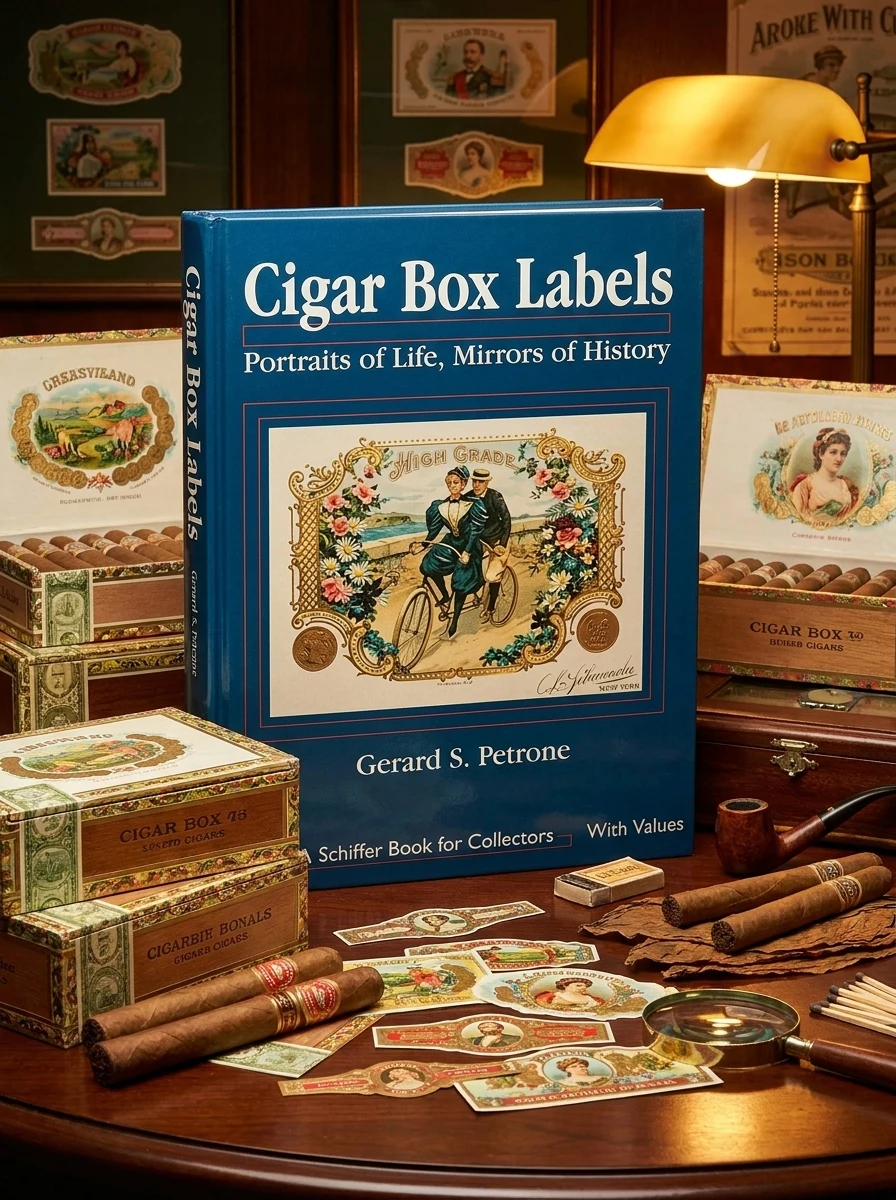
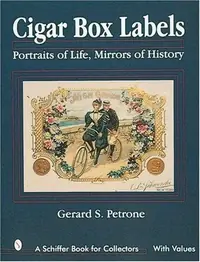
Cigar Box Labels: Portraits of Life, Mirrors of History Petrone, Gerard S
This edition can be ordered. No arrival date is confirmed.
Vintage cigar labels reveal hidden histories through chromolithographic art between 1860 and 1910.
This volume explores the rich tapestry of cigar box art, showcasing the finest examples of stone chromolithography from the late nineteenth century. It delves into the mystique surrounding tobacco manufacturing and marketing, blending visual aesthetics with historical anecdotes. Readers will encounter a curated collection of literary whimsy, poems, and contemporary stories that illuminate the cultural significance of these collectible artifacts. The book serves as both a visual feast and an educational guide to the era's graphic design and social customs.
This work sits at the intersection of Victorian-era graphic design history and material culture studies, highlighting how chromolithographic art served as a visual narrative for late nineteenth-century social customs. It bridges the gap between commercial advertising aesthetics and the broader historical tapestry of the period through tangible artifacts.


📝 Description: Cigar Box Labels: Portraits of Life, Mirrors of History Petrone, Gerard S
💎 Expert review
📖 Why choose it
Why this book is worth reading
Readers with a passion for visual history and tangible artifacts will find immense joy in this curated collection. The book offers a unique window into the mystique of tobacco marketing, blending stunning chromolithographic art with literary whimsy and historical anecdotes. It is perfect for those who appreciate how everyday objects like cigar boxes reflect broader cultural shifts and social norms between 1860 and 1910. By presenting these items as both aesthetic treasures and educational guides, the volume illuminates the graphic design trends and storytelling traditions of the era. Whether you are a collector seeking context or an art enthusiast admiring the technical prowess of stone chromolithography, this book provides a rich, engaging experience that celebrates the hidden histories embedded in these collectible pieces.
⭐ Reader reviews
Reader rating
Been hunting for a decent copy of this text for ages. Plenty of passages worth underlining; my copy is already full of margin notes. It reads better in small doses — a chapter at a time with notes.
Ordered this after seeing it referenced in another book I was studying. Some sections stopped me cold in the best way. Plenty of passages worth underlining; my copy is already full of margin notes. Shipping was quick too.
As someone who reads a lot in this field, I can be picky. Some sections stopped me cold in the best way. The font runs small in the appendices. Solid, if not essential.
This has been on my wishlist for months. Some sections stopped me cold in the best way. The symbolism is layered and generous to patient readers. Great value for what you get.
Grabbed this during a weekend order. The language takes some getting used to, but it becomes part of the charm. Will be gifting a copy to a friend.
This edition finally does the material justice. The ideas are old but land with surprising force today. I'd have loved an index, but that's on the original text. Recommended with reservations.
My book club chose this last month. The material is presented clearly and the structure makes it easy to revisit key passages. Not a light read, but far more accessible than I feared. Delivery took a bit longer than quoted.
Petrone delivers a visually arresting exploration of cigar box labels, treating them as serious artifacts of late nineteenth-century culture. The blend of high-quality reproductions with historical context makes it a compelling read for niche enthusiasts. However, readers seeking deep academic theory or extensive biographical details on tobacco manufacturers may find the content too superficial and image-focused. It is not suited for those who prefer dense textual analysis over visual appreciation. The book’s strength lies in its accessibility and aesthetic appeal rather than rigorous scholarly critique. While it successfully captures the charm and whimsy of the era, it remains a specialized resource. Those looking for general history will likely find the specific focus on tobacco marketing overly narrow, limiting its broader historical utility despite its undeniable visual allure.
❓ Frequently asked questions
📖 Who should read this
Collectors of tobacco memorabilia, graphic design historians, and lovers of Victorian-era visual culture will find this volume essential. It appeals to anyone interested in the intersection of art, commerce, and social history during the turn of the century.
🎯 Key themes and symbolism
Chromolithographic Artistry
The text examines the technical mastery of stone chromolithography, highlighting how printers achieved vibrant colors and intricate details on cardboard surfaces. It analyzes the artistic evolution of these labels, noting the shift from simple branding to complex narrative illustrations that captivated consumers during the golden age of tobacco advertising.
Tobacco Manufacturing History
This section traces the industrial and social history of cigar production, focusing on the marketing strategies employed by manufacturers. It explores how branding evolved to reflect national identities and exotic fantasies, providing context for the imagery used to sell products in a competitive global market during the late nineteenth and early twentieth centuries.
Cultural Anecdotes and Whimsy
The book collects literary and oral traditions surrounding cigar consumption, including poems and humorous stories. It interprets these texts to reveal the social rituals and attitudes of the time, showing how cigars were woven into daily life, diplomacy, and leisure, thus transforming mundane packaging into vessels of cultural memory and entertainment.
💬 Quotes from the book
“The label was not merely a wrapper, but a window into the exotic and the elegant.”
“Stone lithography captured the soul of the industry in every hue.”
📜 Historical context
📚 Glossary
- Chromolithography
- Cigar Box Art
- Gilded Age
📔 Questions to reflect on
- How do the illustrations on these vintage labels reflect the societal values and fantasies of the 1860-1910 era?
- What can the evolution of cigar branding tell us about the history of consumer advertising and brand loyalty?
- In what ways do the literary anecdotes included in the book reveal the social rituals surrounding tobacco consumption?
🏛 Books from this publisher Schiffer Publishing
All books from this publisher →
 89
89






You might also like
See more →
 91
91
 91
91
 91
91

 91
91
 91
91