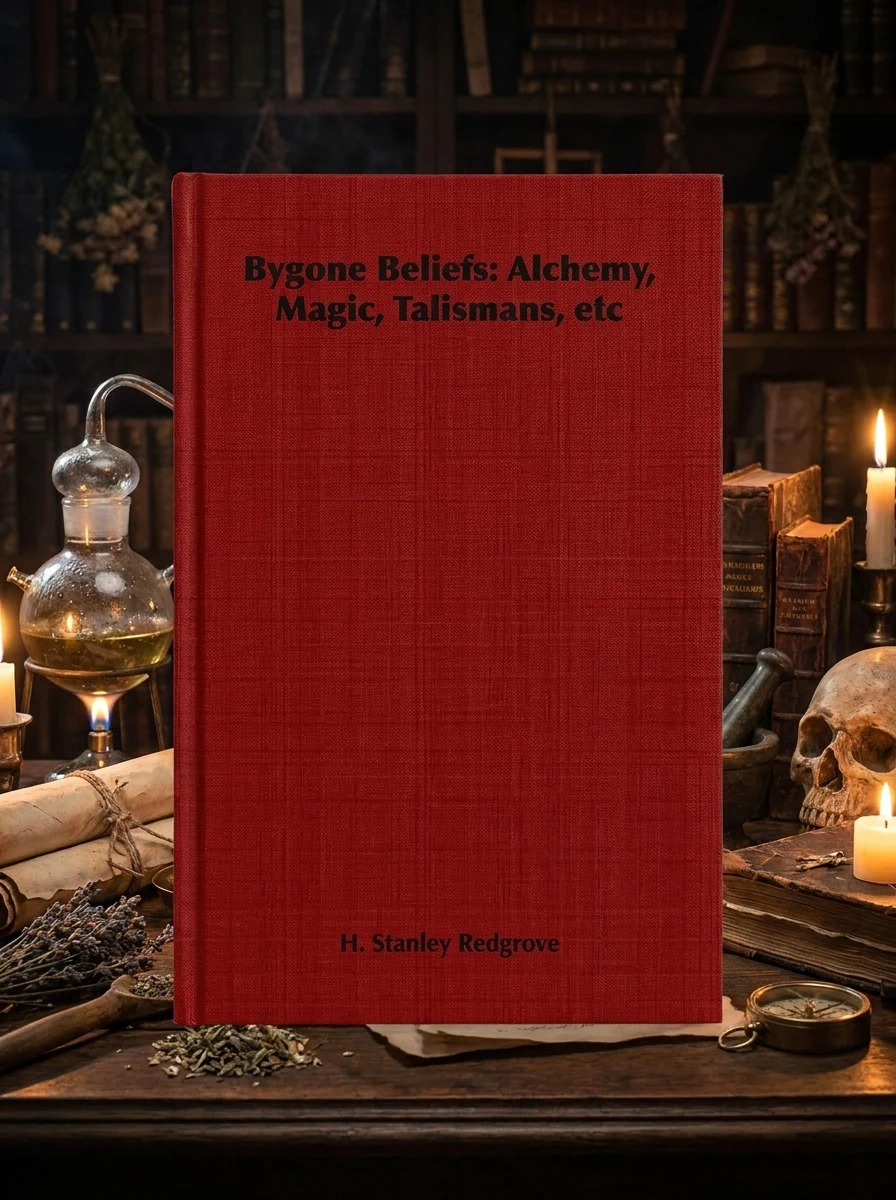
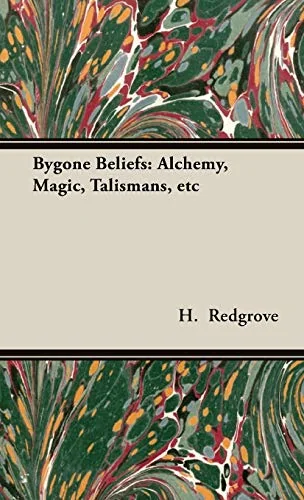
Bygone Beliefs: Alchemy, Magic, Talismans, etc
Redgrove, H StanleyStock reported in the catalog; fulfillment is confirmed with your request.
Redgrove resurrects the rational logic buried beneath centuries of dismissed superstition and occult practice.
Stanley Redgrove argues that every ancient belief, no matter how bizarre, stems from a discernible logic rather than mere ignorance. This republished 1920 classic surveys medieval thought, Pythagorean philosophy, and the historical intersection of medicine and magic. Through twelve dense chapters, he challenges the modern dismissal of the past as simple superstition, urging readers to investigate the underlying reasons for phenomena like talismans, ceremonial magic, and architectural symbolism. It is a rigorous attempt to find the scientific thread in the tapestry of the arcane.
This text emerges from the early twentieth century as part of a broader intellectual movement seeking to rationalize historical occult practices rather than dismiss them outright. It sits within the tradition of esoteric scholarship that attempts to bridge the gap between modern scientific skepticism and ancient mystical frameworks.


📝 Description: Bygone Beliefs: Alchemy, Magic, Talismans, etc
💎 Expert review
📖 Why choose it
Why this book is worth reading
Readers who find themselves fascinated by the hidden architectures of history will gain immense value from this rigorous exploration. It is ideal for those weary of superficial judgments regarding ancient beliefs, offering instead a deep dive into the discernible logic behind ceremonial magic and talismans. If you appreciate understanding why medieval thought and Pythagorean philosophy operated with such internal consistency, this book provides the necessary intellectual scaffolding. It rewards the patient investigator who seeks to uncover the scientific thread woven through the arcane tapestry, transforming dismissed superstition into a coherent system of rational inquiry that respects the past's complexity.
⭐ Reader reviews
Reader rating
My book club chose this last month. It pairs well with more modern commentaries on the same tradition. Highly recommend to serious students.
Honestly wasn't sure what to expect, but I'm impressed. Plenty of passages worth underlining; my copy is already full of margin notes. The font runs small in the appendices. Solid, if not essential.
First purchase from this shop. It connects ideas I'd only seen treated separately elsewhere. The ideas are old but land with surprising force today. Still worth having on the shelf.
Not my usual area but wanted to branch out. It pairs well with more modern commentaries on the same tradition. I appreciated how the argument builds steadily from first principles. Would buy from this store again.
Redgrove’s work is a dense, uncompromising survey that demands attention from its reader. While it successfully resurrects the rational logic buried beneath centuries of occult practice, it is not for those seeking light entertainment or simplified historical narratives. The twelve chapters are heavy with medieval thought and architectural symbolism, requiring a steady mind and an open, yet critical, intellect. It does not suit readers who prefer clear-cut distinctions between science and superstition without nuance. However, for the scholar willing to engage with its challenging prose, it offers a unique perspective on the intersection of medicine, magic, and philosophy in the past.
❓ Frequently asked questions
📖 Who should read this
Readers interested in the intellectual history of magic, those weary of modern condescension toward past beliefs, and students of folklore seeking to understand the structural logic behind ancient rituals and talismans.
🎯 Key themes and symbolism
Rationality of Superstition
Historical Occultism
Symbolic Medicine
💬 Quotes from the book
“It is too easy for the superficial thinker to dismiss much of the thought of the past as mere superstition.”
“There is a reason for every belief, even the most fantastic, and it should be our objective to discover this reason.”
📜 Historical context
📚 Glossary
- Powder of Sympathy
- Phallic Element
- Ceremonial Magic
📔 Questions to reflect on
- What modern belief might future generations dismiss as 'superstition' before investigating its underlying logic?
- How does the concept of 'sympathy' in ancient medicine reflect our current understanding of placebo effects?
- In what ways do architectural symbols still convey hidden meanings in contemporary public spaces?
✍️ More books by this author Redgrove, H Stanley
All books by this author →
🏛 Books from this publisher Obscure Press
All books from this publisher →


 88
88
You might also like
See more →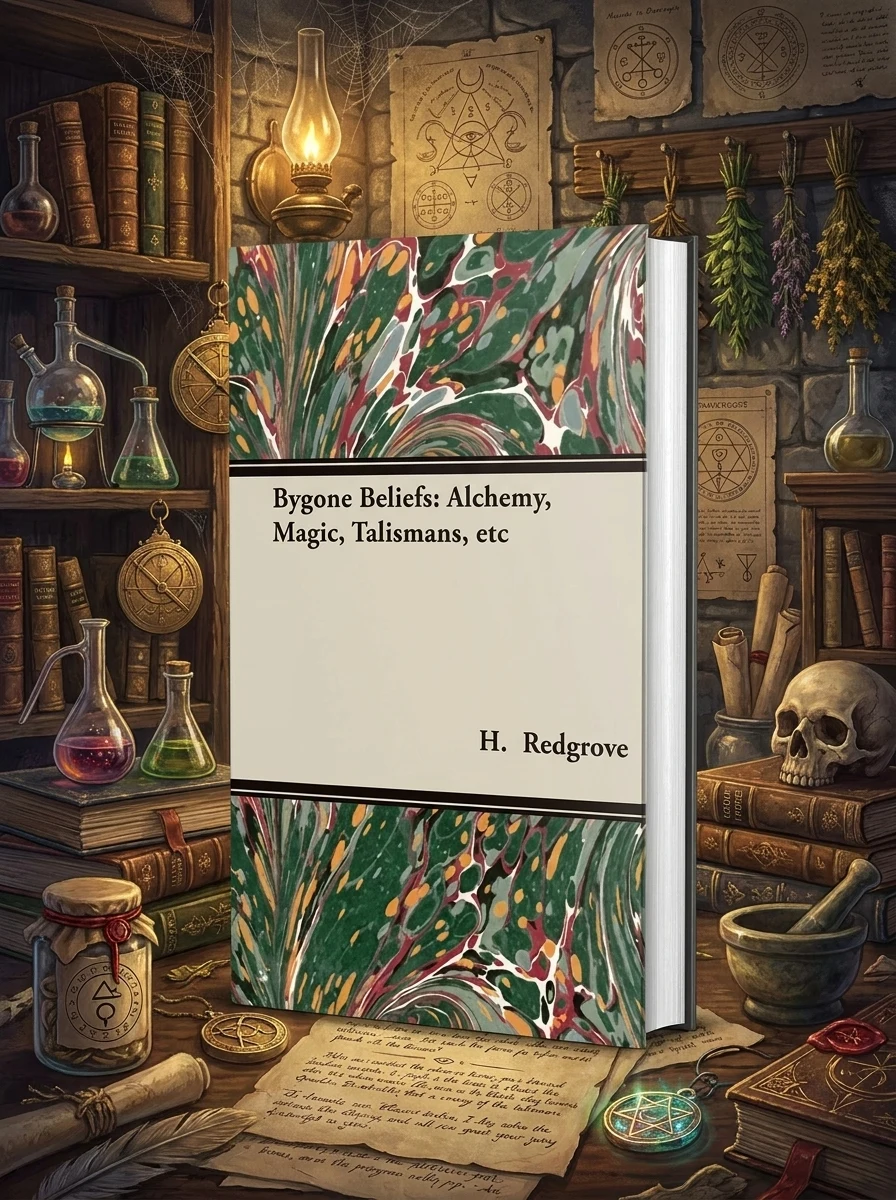
 91
91
 91
91
![How to Manifest: Bring Your Goals Into Alignment with the Alchemy of the Universe [A Manifestation Book]](/img/how-to-manifest-bring-your-goals-into-alignment-with-the-alchemy-of-the-universe-a-manifestation-book-scene.webp)