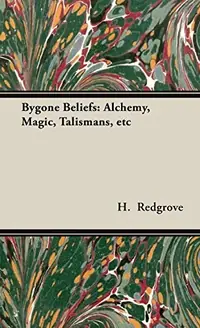
Bygone Beliefs: Alchemy, Magic, Talismans, etc
Redgrove, H StanleyStock reported in the catalog; fulfillment is confirmed with your request.
Unearth the rational roots beneath humanity's most 'superstitious' beliefs.
H. Stanley Redgrove's 1920 classic, now revitalized, dares us to look beyond superficial dismissals of ancient wisdom. This compelling volume argues that even the most seemingly outlandish historical beliefs possess an underlying rationale, waiting to be uncovered. Redgrove, a noted contributor to The Occult Review, meticulously explores diverse subjects like alchemy, ceremonial magic, talismans, and symbolic architecture. He challenges readers to adopt a scientific mindset, investigating the deep-seated origins of what many would label mere superstition, thereby revealing the profound intellectual currents that shaped bygone eras.
This work sits firmly within the early twentieth-century esoteric revival, reflecting a period where scholars sought to reconcile ancient occult traditions with emerging scientific rationality. It bridges the gap between historical superstition and intellectual inquiry, positioning itself as a serious academic yet accessible exploration of hidden histories.


📝 Description: Bygone Beliefs: Alchemy, Magic, Talismans, etc
💎 Expert review
📖 Why choose it
Why this book is worth reading
Readers who appreciate the intersection of history, psychology, and occultism will find this volume particularly rewarding. It appeals to those weary of superficial judgments against ancient wisdom, offering instead a compassionate and rational lens through which to view past beliefs. If you are interested in understanding why humanity once embraced alchemy or talismans, this book provides the necessary intellectual framework. It is ideal for students of esoteric history who wish to move beyond myth-making to uncover the underlying logic of bygone eras. The text invites a scientific mindset toward subjects often dismissed as mere superstition, making it a valuable resource for anyone seeking depth and context in their study of magical traditions.
⭐ Reader reviews
Reader rating
Redgrove’s analysis is a refreshing departure from mystical obscurity, grounding esoteric practices in tangible historical rationale. However, this approach may disappoint readers seeking practical spell-casting instructions or dogmatic occult doctrine. Those expecting sensationalist tales of magic might find the tone too academic or dry. The book succeeds as an intellectual exercise rather than a grimoire, appealing to those who value critical inquiry over faith-based adherence. It is not for the casual reader looking for quick thrills, but rather for the thoughtful historian interested in the evolution of human belief systems and the rational roots of seemingly irrational practices.
❓ Frequently asked questions
📖 Who should read this
Are you a seeker of hidden meanings, intrigued by the evolution of human thought, or perhaps a student of folklore and esotericism? If you question easy dismissals of the past and yearn for a deeper understanding of ancient beliefs, this meticulously researched work offers a compelling intellectual journey.
🎯 Key themes and symbolism
Deconstructing Ancient Beliefs
Redgrove fundamentally asserts that every historical belief, no matter how fantastical it appears today, originated from a comprehensible human impulse or observation. He champions a rigorous, almost scientific, approach to understanding these 'superstitions,' urging readers to seek the logical threads woven into the fabric of forgotten thought rather than dismissing them outright.
Esoteric Traditions Unveiled
The book delves into a rich tapestry of historical occultism, from the pursuit of the Philosopher's Stone in alchemy to the intricate rituals of ceremonial magic and the protective power attributed to talismans. Redgrove provides a historical overview, dissecting the theories and practices that once held significant sway in the human imagination and societal structures.
Symbolism and Ancient Thought
Redgrove illuminates how symbolic thinking permeated ancient and medieval life, exploring its manifestations in architectural design and even the overlooked 'phallic element.' He demonstrates how these symbols were not arbitrary but deeply embedded in a worldview that sought meaning and power in the natural and constructed environment, reflecting profound philosophical underpinnings.
💬 Quotes from the book
“To label a belief 'superstition' and disregard it is to forsake the very essence of scientific inquiry; true understanding demands we trace its roots, however obscure.”
“From the alchemist's forge to the architect's symbolic stone, humanity's deepest yearnings for meaning have always found expression in the seemingly irrational.”
📜 Historical context
📚 Glossary
- Alchemy
- Talisman
- Powder of Sympathy
📔 Questions to reflect on
- How might our modern scientific understanding benefit from a more empathetic re-examination of 'superstitious' beliefs?
- Consider a contemporary belief or practice that might be dismissed as irrational by future generations. What underlying 'reason' might explain its existence today?
- If symbols hold power, how do you perceive the symbolism embedded in your own environment or daily rituals?
✍️ More books by this author Redgrove, H Stanley
All books by this author →

🏛 Books from this publisher Obscure Press
All books from this publisher →


 88
88
You might also like
See more →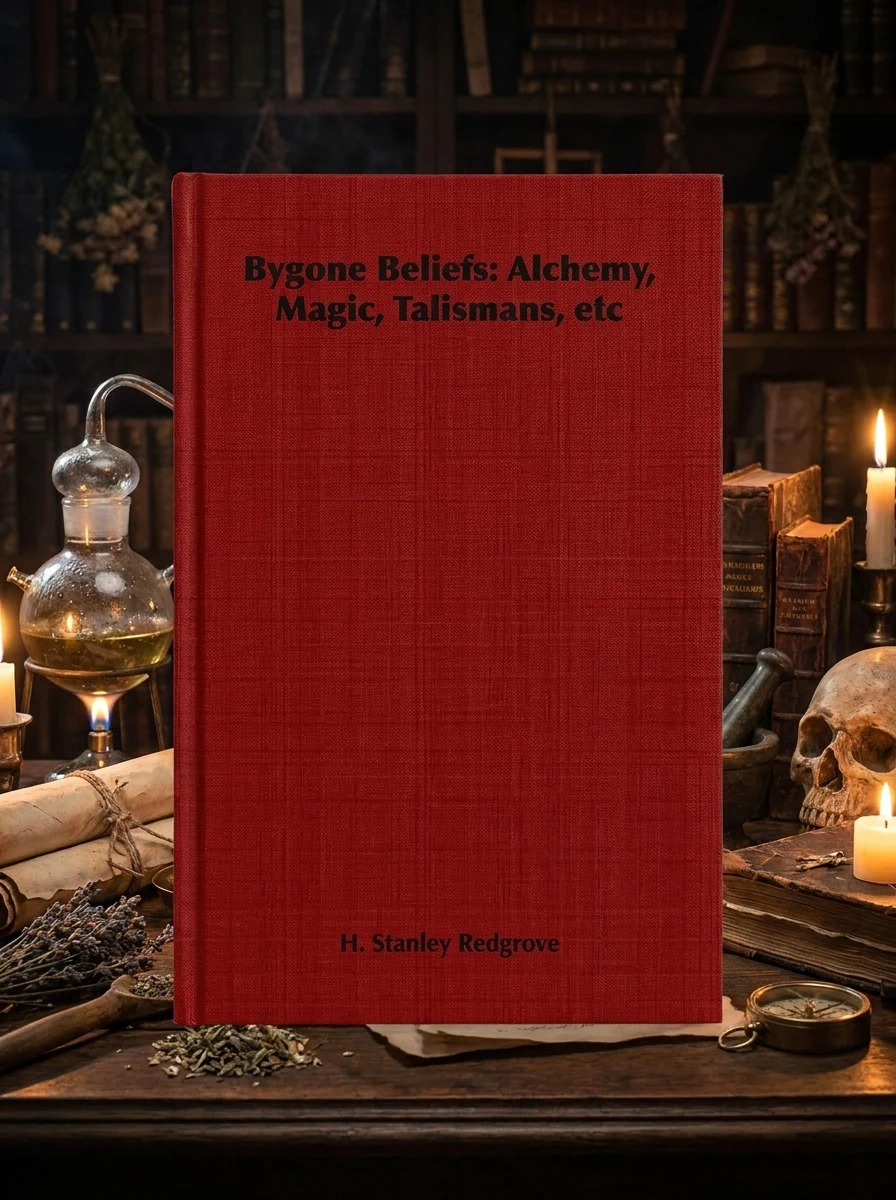
 91
91
 91
91
![How to Manifest: Bring Your Goals Into Alignment with the Alchemy of the Universe [A Manifestation Book]](/img/how-to-manifest-bring-your-goals-into-alignment-with-the-alchemy-of-the-universe-a-manifestation-book-scene.webp)