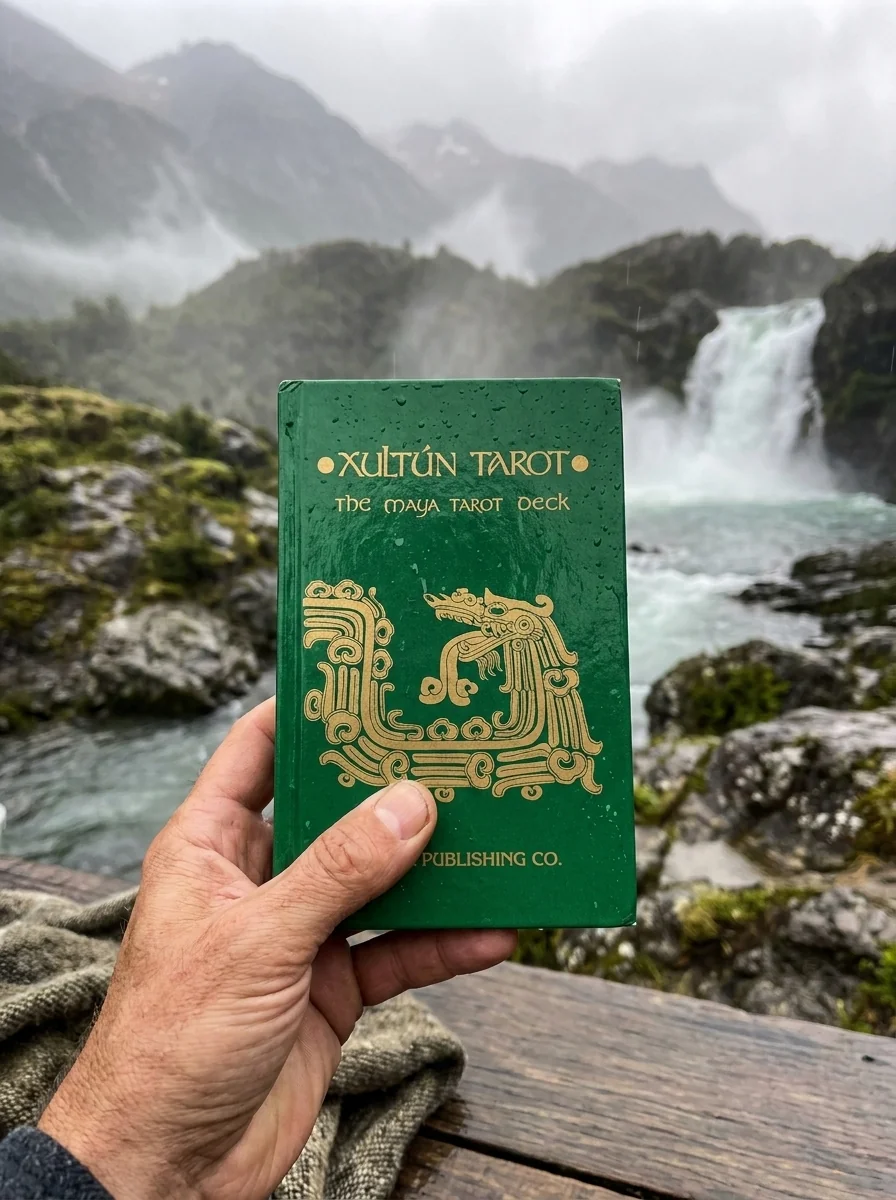
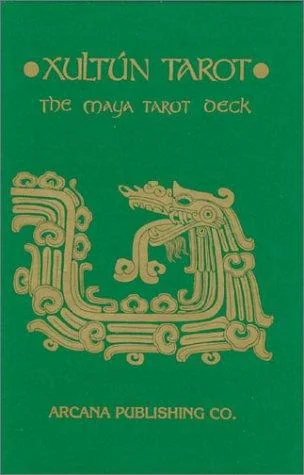
Xultun (Mayan Tarot Deck Balin, Peter
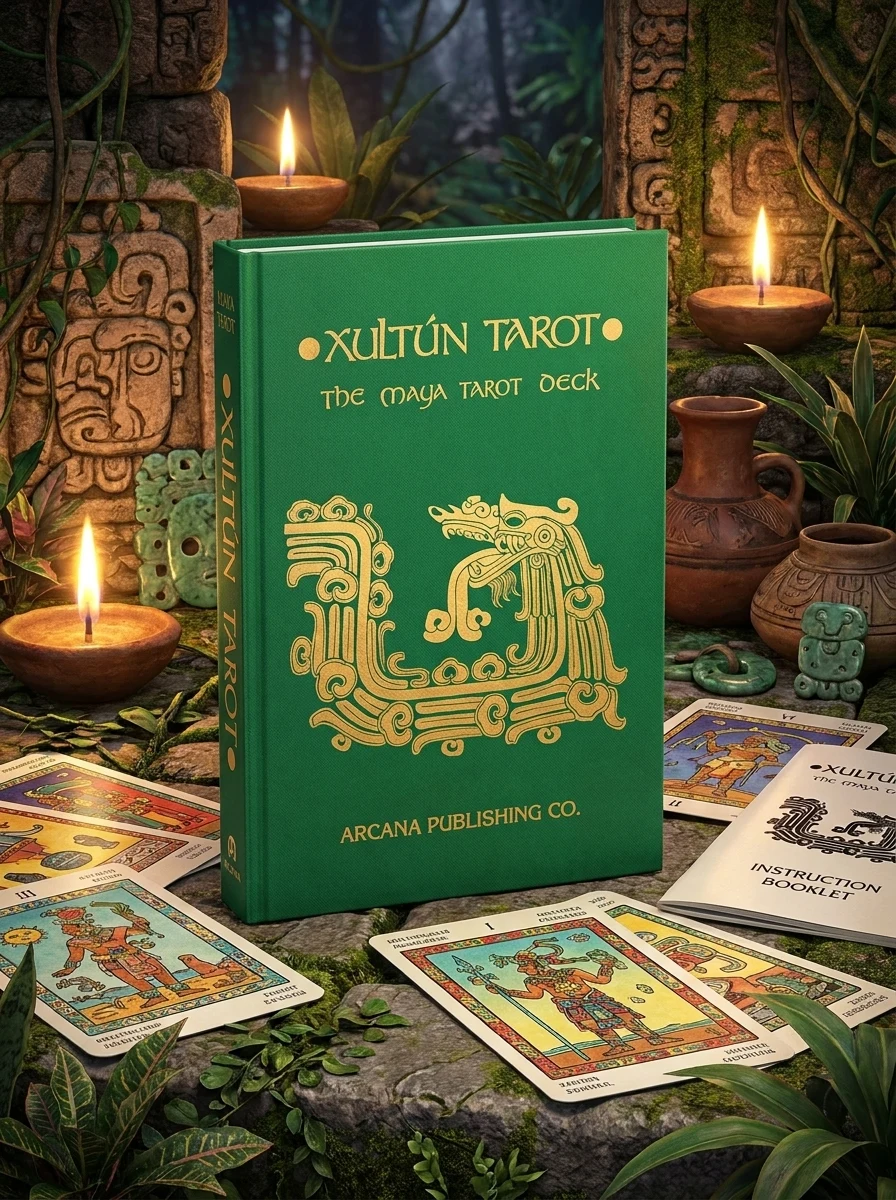
✍️ Balin, PeterA full-color seventy-eight card Tarot deck and instruction booklet based on ancient Maya imagery.
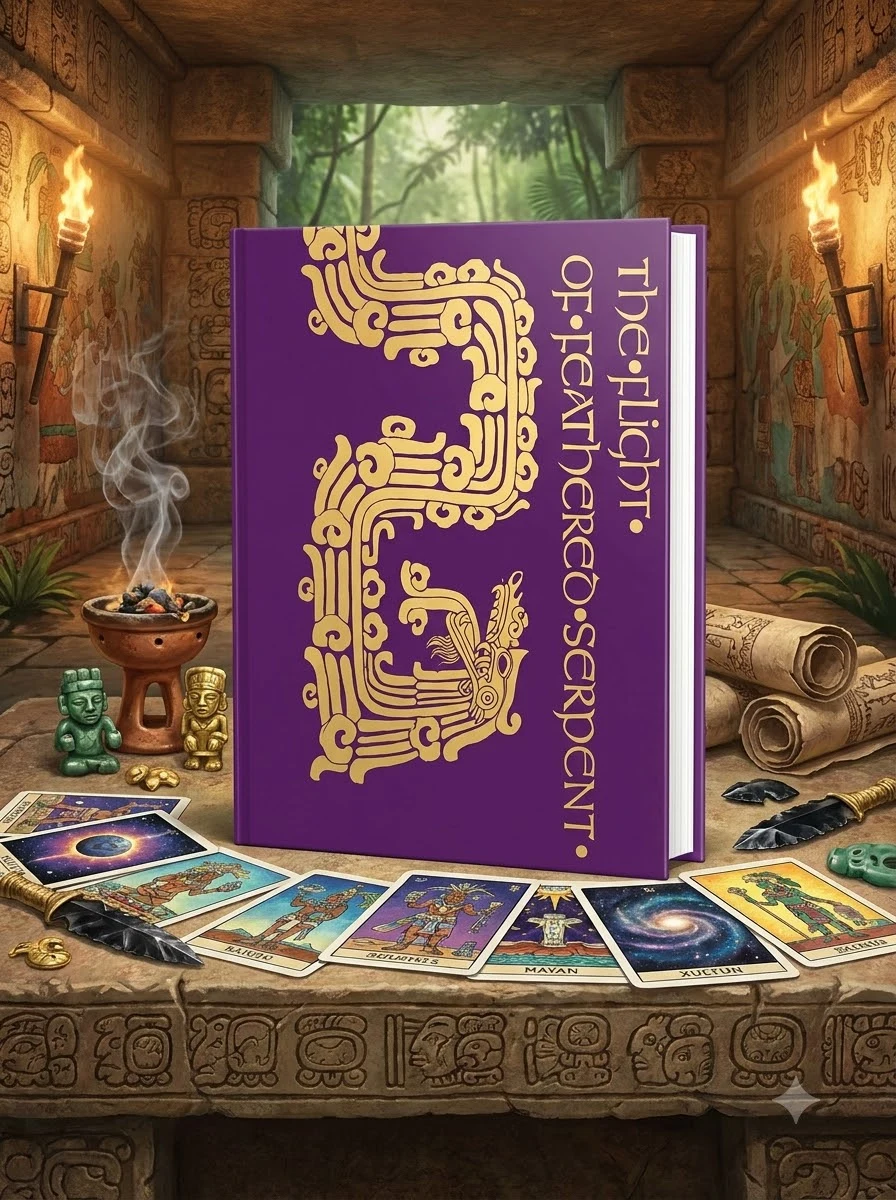
This release combines traditional Tarot organization with the visual art and symbolism of the ancient Maya. Peter Balin designed the set using twenty-two Major Arcana cards and fifty-six Minor Arcana cards, with every card printed in full color. Titles on each card are printed in English, French, German, Italian, and Spanish. An included seventy-eight page instruction booklet explains how to use the deck, making it functional for readers who want clear directions alongside physical cards.
This work belongs to the modern study of Tarot card decks that incorporate ancient regional traditions, specifically drawing on the art, visual motifs, and culture of the ancient Maya.


📝 Description: Xultun (Mayan Tarot Deck Balin, Peter
💎 Expert review
📖 Why choose it
Why this book is worth reading
Readers deeply fascinated by the intersection of ancient history and spiritual divination will find immense value in this unique deck. Peter Balin offers a refreshing alternative to standard European Tarot interpretations, inviting practitioners to explore cosmic insights through the vibrant and complex lens of Mayan wisdom. The multilingual instruction booklet ensures that both novices seeking guidance and seasoned occultists looking for fresh symbolic perspectives can engage with the material effectively. By replacing familiar imagery with Mesoamerican iconography, this tool encourages profound introspection and connects users to an older, richer world. It is ideal for those who wish to expand their divinatory toolkit beyond traditional Western esotericism while maintaining a structured approach to reading.
⭐ Reader reviews
Reader rating
While visually striking and conceptually ambitious, this deck may not suit readers attached to the classic Rider-Waite-Smith tradition or those seeking straightforward, immediate interpretations without cultural study. The shift to Mayan cosmology requires a willingness to learn new symbolic languages, which might alienate casual diviners preferring intuitive, imagery-based readings. However, for those committed to exploring alternative esoteric systems, it offers a rigorous and aesthetically pleasing journey. The multilingual guide is a significant asset, though the depth of symbolism demands respect and study. It is less suitable for beginners who have not yet mastered basic Tarot structure, as the cultural distance adds a layer of complexity that requires patience and open-mindedness to navigate successfully.
❓ Frequently asked questions
📖 Who should read this
For those captivated by ancient civilizations, seeking a Tarot deck that transcends conventional symbolism, or desiring a fresh perspective on divination. If you appreciate rich cultural art and wish to connect with a distinct spiritual lineage, this deck offers an unparalleled journey.
🎯 Key themes and symbolism
Mayan Cosmic Iconography
This deck reimagines the traditional Tarot through the vibrant, intricate art of the ancient Maya. Instead of familiar Western archetypes, readers encounter deities, glyphs, and cosmological concepts drawn directly from Mesoamerican culture, offering a unique visual and spiritual language for divination.
Cross-Cultural Divination
By fusing the established 78-card Tarot system with an entirely different cultural framework, the deck challenges and expands conventional interpretations. It invites practitioners to explore universal themes of fate, choice, and transformation through a non-Eurocentric lens, fostering a broader understanding of spiritual wisdom.
Global Accessibility
A notable feature is the inclusion of card titles in five major languages: English, French, German, Italian, and Spanish. This deliberate multilingual approach makes the profound insights of the Xultun deck accessible to a wider, international community of spiritual seekers and Tarot enthusiasts, breaking down linguistic barriers.
📜 Historical context
📚 Glossary
- Major Arcana
- Minor Arcana
- Mayan Iconography
📔 Questions to reflect on
- When drawing a card, how does its Mayan imagery resonate with your personal experiences, even if unfamiliar? What new insights emerge from this cross-cultural perspective?
- Consider a traditional Tarot card and its Xultun counterpart. How does the shift in symbolism alter your understanding or emotional response to the card's meaning?
- If you were to create a 'Mayan spread,' what would its purpose be, and what unique questions would you ask of this deck, honoring its cultural origins?