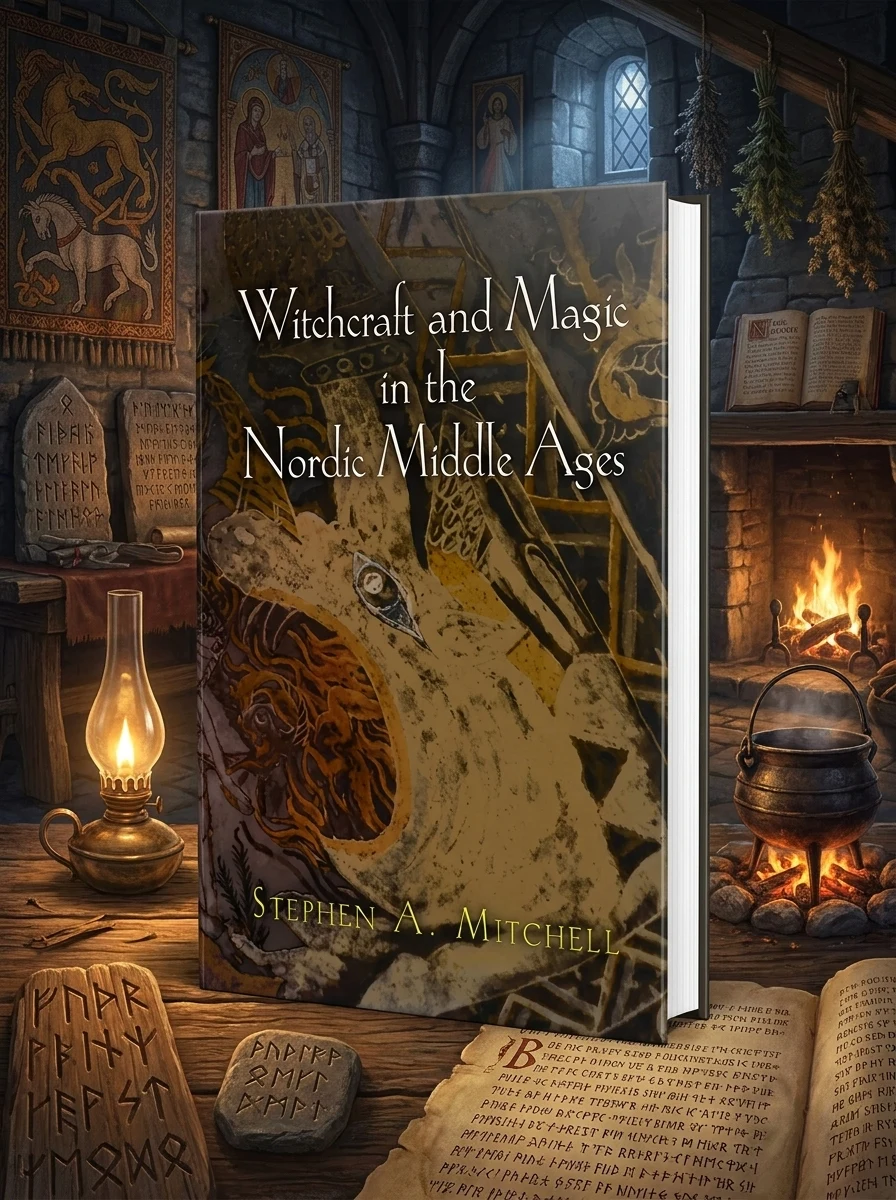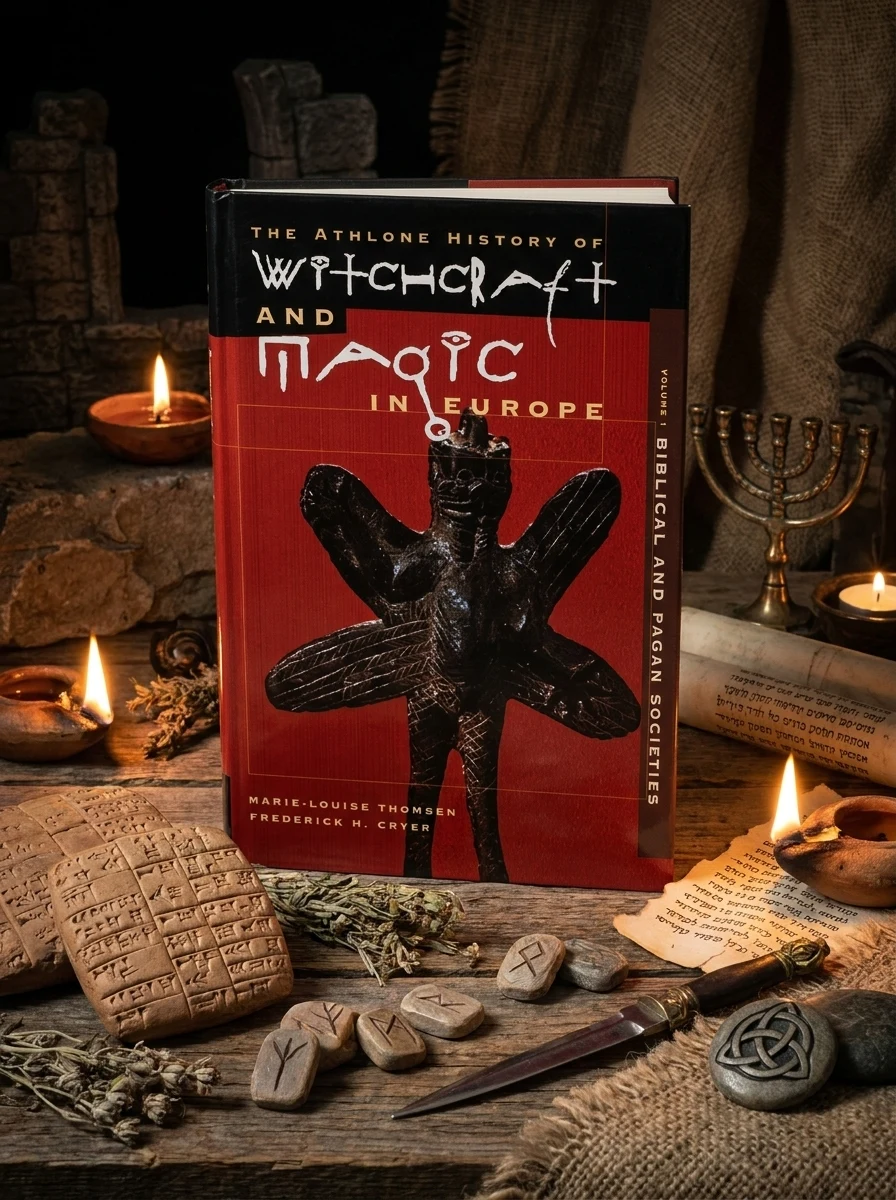
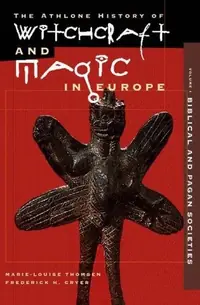
Witchcraft and Magic in Europe, Volume 1 De La Barca, Pedro Calderon
Stock reported in the catalog; fulfillment is confirmed with your request.
Unearth the primal currents of European magic, from ancient Near East to Nordic sagas.
This foundational volume delves into the deep historical origins of European witchcraft and magical practices. It traces these concepts not just to classical antiquity, but significantly further back, exploring their genesis in ancient Near Eastern traditions, including Hebrew thought, as well as the rich spiritual landscapes of Celtic, Nordic, and Germanic societies. The authors meticulously examine how these diverse cultural currents converged and evolved, laying the groundwork for later European magical beliefs. Prepare for an insightful journey through the foundational elements that shaped our understanding of the arcane arts.
This volume serves as a foundational scholarly text within the study of European occult history, tracing the deep roots of magical practices back to ancient Near Eastern and Northern European traditions.


📝 Description: Witchcraft and Magic in Europe, Volume 1 De La Barca, Pedro Calderon
💎 Expert review
📖 Why choose it
Why this book is worth reading
Readers with a serious academic interest in the genealogy of European esotericism will find this volume indispensable. It offers a rigorous exploration of how primal currents from the ancient Near East, Hebrew thought, and Nordic sagas converged to shape later beliefs. Those who wish to understand the structural underpinnings of witchcraft beyond superficial tropes will appreciate the meticulous examination of Celtic, Germanic, and classical influences. It is ideal for historians of religion and dedicated practitioners seeking a robust historical framework for their spiritual understanding.
⭐ Reader reviews
Reader rating
This work provides a comprehensive survey of magical origins but demands patience from casual readers. It is not suitable for those seeking practical spells or quick入门 guides to Wicca. The dense historical analysis may feel dry to readers expecting narrative flair or modern pagan rituals. However, for scholars and serious enthusiasts willing to engage with deep textual analysis, it offers unparalleled insight into the cultural convergence of arcane arts across centuries.
❓ Frequently asked questions
📖 Who should read this
If you seek to understand the very earliest origins of magic and witchcraft in Europe, beyond medieval folklore, this book is essential. It offers a rigorous yet accessible exploration for practitioners, academics, and anyone curious about the ancient roots of esoteric traditions.
🎯 Key themes and symbolism
Near Eastern Magic's Genesis
Explores the profound, often overlooked, contributions of ancient Near Eastern civilizations, including Hebrew traditions, to the development of European magical thought. It highlights how these foundational cultural and religious concepts formed an indispensable bedrock for later esoteric practices across the continent.
Northern European Esotericism
Illuminates the distinct yet interconnected magical traditions of Celtic, Nordic, and Germanic societies. This section uncovers the unique cosmologies, ritual practices, and spiritual beliefs that flourished in these regions, demonstrating their significant, often independent, influence on the broader European magical landscape.
Converging Magical Currents
Examines how these disparate ancient traditions – from the Levant to the far north – interacted, blended, and transformed over millennia. It offers a comprehensive perspective on the shared archetypes and distinct variations that underpin the complex tapestry of European witchcraft and magic, revealing their profound interconnectedness.
💬 Quotes from the book
“The persistent notion that European magic emerged solely from Greco-Roman or medieval Christian contexts overlooks a profound and continuous heritage rooted in earlier, diverse cultural exchanges.”
“Tracing the etymological and conceptual threads of 'witchcraft' reveals a complex interplay between ancient Semitic spiritual practices and the animistic beliefs of Northern European societies.”
📜 Historical context
📚 Glossary
- Near East
- Celtic
- Germanic
📔 Questions to reflect on
- How does understanding the ancient Near Eastern roots of magic change your perception of European witchcraft?
- Reflect on the commonalities and divergences between Celtic, Nordic, and Germanic magical traditions as presented in this volume.
- In what ways do these foundational historical perspectives reshape your understanding of contemporary magical practices?
🏛 Books from this publisher Bloomsbury Publishing PLC
All books from this publisher →


You might also like
See more →

 91
91